At a glance
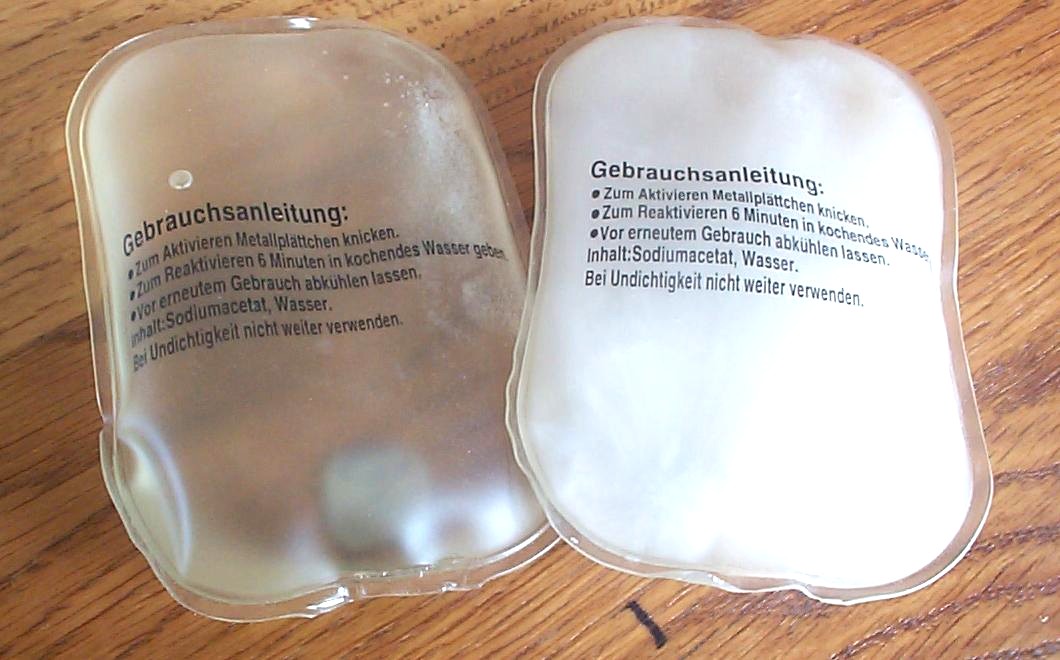
Seven chapters follow. Fire and insulation claims name test families (Euroclass, ASTM E84, ISO 5660, KS F) rather than inventing a single safety number. Phase-change material is sold as grades, not as a single substance. Chemistry paraffins / salt hydrates / bio-waxes, density ~0.8–1.6 g/cm³, heat band designed 18–28 °C for buildings.
Atlas Verification Checklist
0 / 4 verifiedCheck each criteria to confirm findings against the atlas verdict.
Phase-change material · Phase-change material is one of 32 materials in this atlas, grou
Phase-change material is one of 32 materials in this atlas, grouped under thermal: history, structure, measured properties, process routes, uses, safety and market — not a product catalogue. Scores compare Phase-change material with the rest of the atlas on strength, heat, fire behaviour, insulation, workability and circularity. They are editorial, not certificates.
Phase-change material · Seven chapters follow
Seven chapters follow. Fire and insulation claims name test families (Euroclass, ASTM E84, ISO 5660, KS F) rather than inventing a single safety number. Phase-change material is sold as grades, not as a single substance. Chemistry paraffins / salt hydrates / bio-waxes, density ~0.8–1.6 g/cm³, heat band designed 18–28 °C for buildings.
Phase-change material · paras 1
Conductivity note: low-to-moderate; often needs fins or graphite. Insulation score 52/100 is relative to 32 entries — metals lose, VIPs and aerogels win. Fire letter in editorial use: paraffin = combustible; salts vary. Do not equate A1 with “safe in a blaze” or E with “illegal”. Assemblies decide.
Phase-change material · paras 1
Origin: NASA / Telkes 1940s–70s; building PCM 2000s, United States / Germany. The process chapter follows feedstock → conversion → forming → finish → install. Phase-change material (paraffins / salt hydrates / bio-waxes) is a family of grades whose density ~0.8–1.6 g/cm³, heat band designed 18–28 °C for buildings, and fire letter paraffin = combustible; salts vary.
This is a reading check for the atlas, not personal advice, a live price, or a booking. It does not replace the full topic page.
What is the next question after this?
Conductivity note: low-to-moderate; often needs fins or graphite. Insulation score 52/100 is relative to 32 entries — metals lose, VIPs and aerogels win. Fire letter in editorial use: paraffin = combustible; salts vary. Do not equate A1 with “safe in a blaze” or E with “illegal”. Assemblies decide.
Does this page rank people or nations?
This is a reading check for the atlas, not personal advice, a live price, or a booking. It does not replace the full topic page.
Where is the longer entry?
Origin: NASA / Telkes 1940s–70s; building PCM 2000s, United States / Germany. The process chapter follows feedstock → conversion → forming → finish → install. Phase-change material (paraffins / salt hydrates / bio-waxes) is a family of grades whose density ~0.8–1.6 g/cm³, heat band designed 18–28 °C for buildings, and fire letter paraffin = combustible; salts vary.
Next question: Polyester · Open the topic: Phase-change material