Wählen Sie die Brandleistungs-Lesart oder die Dämm-Lesart, die schon auf diesem Werkstoff steht. Lehr-Marken — keine Spezifikation.
Nur Atlas-Punkte und Fakten dieser Seite. Ein benannter Produktversuch, Dicke und Aufbau entscheiden jede echte Wand oder jedes Kleidungsstück. Kein Laborstempel.
Edelstahl ist eines von 32 Werkstoffen in diesem Atlas, unter Metalle: Geschichte, Struktur, Eigenschaften, Prozess, Nutzung, Sicherheit und Markt — kein Produktkatalog.
Die Noten vergleichen Edelstahl mit den übrigen in Festigkeit, Hitze, Brand, Dämmung, Verarbeitbarkeit und Kreislauf. Redaktionell, keine Zertifikate.
Sieben Kapitel folgen. Brand- und Dämmaussagen nennen Prüffamilien (Euroclass, ASTM E84, ISO 5660, KS F) statt einer einzigen Sicherheitszahl.
Tiefe Einführung
Tiefenlektüre: Edelstahl
Edelstahl (Fe–Cr–Ni (±Mo, N, C)) ist eine Güteklasse mit einer Dichte von ca. 8,0 g/cm³, einem Wärmeband von ca. 1400–1450 °C und einem Metall mit der Brandbezeichnung A1.
Was der Werkstoff wirklich ist
Edelstahl wird in verschiedenen Qualitäten und nicht als einzelne Substanz verkauft. Chemie Fe–Cr–Ni (±Mo, N, C), Dichte ~8,0 g/cm³, Wärmeband ~1400–1450 °C.
In diesem Atlas wird Edelstahl als System behandelt: Walzroute, Beschichtungen, Tests und der Hohlraum, in dem er sitzt.
Wärme, Brand und Dämmung
Hinweis zur Leitfähigkeit: ~15 W/m·K (austenitisch). Die Isolationsbewertung von 10/100 bezieht sich auf 32 Einsendungen – Metalle verlieren, VIPs und Aerogele gewinnen.
Brandbrief im redaktionellen Einsatz: A1 Metall. Setzen Sie A1 nicht mit „sicher im Brandfall“ oder E mit „illegal“ gleich. Versammlungen entscheiden.
Verwendet gebäudeübergreifende Verteidigungs- und Sicherheitszwecke. Paarungen sind wichtig: Stahl.
Markt und Kreislauf
Bei den unten aufgeführten Produzenten handelt es sich um Orientierungspunkte und nicht um ein Empfehlungsranking. Bei den Preisen handelt es sich um Bandpreise, nicht um Live-Kurse.
Rundheitszeichen 68/100. Fragen Sie nach, welcher Schrott, welches Zertifikat, welches Jahr.
Verwandter Atlas
Rund um Edelstahl
Verwandte Einträge, kurzes Glossar, drei Fäden, die Edelstahl ehrlich halten.
🪟GlasDie andere hygienische Oberfläche in der Pharmaindustrie.
Schlüsselbegriffe
Euroklasse
EN 13501-1 Buchstabe zum Brandverhalten (A1–F), keine Wandbewertung.
λ (Lambda)
Wärmeleitfähigkeit in W/m·K. Niedriger bedeutet bessere Massenisolierung.
Gealterter Wert
Erklärte Leistung nach Treibmittel- oder Feuchtigkeitsdrift.
HAZ/Prozessfenster
Der Bereich, in dem Hitze oder Chemie das Datenblatt verändern.
Grad
Eine benannte Chemie-/Prozessvariante, kein Markenslogan.
Montage
Bretter + Hohlraum + Befestigungselemente + Beschichtungen gemeinsam getestet.
Standardsprache
EN, ASTM, ISO, KS und JIS lassen sich nicht eins zu eins übersetzen. Eine Matte der Euroklasse A1 ist kein ASTM E84-Bericht.
Nennen Sie auf Zeichnungen das Jahr der Norm. Zurückgezogene Methoden tauchen immer wieder in alten Spezifikationen auf.
Arbeit und Handwerk
Schweißer, Spinner, Stuckateure, Beschichter und Ofenbauer gehören zu den wahren Eigenschaften des Materials.
DFT, Feuchtigkeitsmesser und Komprimierung von Vliesen sind Qualitätswerkzeuge, keine Bürokratie.
Energie und Abfall
Primärer Edelstahl trägt Prozessenergie, die Recycling- oder Bio-Routen nur manchmal übertreffen.
Reste, Rotschlamm, Schlacke, Staub und verbrauchte Treibmittel bilden die glanzlose Massenbilanz.
Profil
Festigkeit74
Hitzebeständigkeit76
Brandverhalten86
Dämmung10
Verarbeitbarkeit70
Kreislauf68
Brandrolle oder Dämmrolle
Wählen Sie die Brandleistungs-Lesart oder die Dämm-Lesart, die schon auf diesem Werkstoff steht. Lehr-Marken — keine Spezifikation.
Nur Atlas-Punkte und Fakten dieser Seite. Ein benannter Produktversuch, Dicke und Aufbau entscheiden jede echte Wand oder jedes Kleidungsstück. Kein Laborstempel.
Gebäude, Verkehr, Energie und Konsumgüter – siehe Kapitel „Verwendungen“.
Ist der Brandleistungswert eine bauordnungsrechtliche Klasse?
Nein. Es ist eine redaktionelle Lehrzahl 0–100 zwischen Werkstoffen dieses Atlas. Eine echte Wand oder ein Kleidungsstück braucht benannten Produktversuch, Dicke und Aufbau. Diese Seite ist kein Laborstempel.
Wann lese ich Dämmung statt Brand?
Nimm Dämmung, wenn die Frage der Wärmestrom ist — Futter, Dachboden, Wärmebrücke — und Brand, wenn die Frage ist, wie derselbe Stoff in der Flamme steht. Beide Zahlen stehen schon auf diesem Hub; sie beantworten verschiedene Jobs.
Darf ich bei hohem Nachhaltigkeitswert den Brandschutz weglassen?
Nein. Nachhaltigkeit ist hier eine relative Atlas-Marke (Wachstum, Wiederverwendung, graue Geschichte). Bambus und Holz können weiter wie Holz verkohlen. Brandschutz bleibt eine eigene Spezifikation.
Warum fehlt Bambus in manchen Sprachen?
Eine Sprach-URL erscheint nur, wenn alle sieben Kapitel echte Prosa in dieser Sprache sind. Bambus gibt es auf Englisch, Koreanisch, Japanisch, Chinesisch und Spanisch. Französisch, Deutsch, Portugiesisch und Russisch bleiben zurückgehalten — frühere Maschinenentwürfe ließen Englisch durch, daher bleiben diese URLs zu.
Ikonen
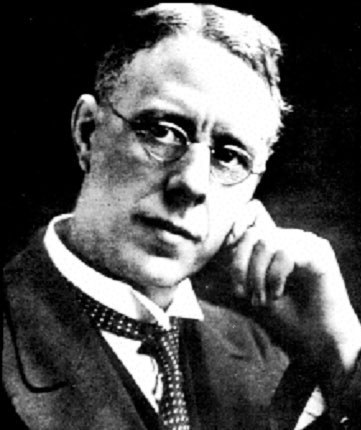
Harry Brearley
Vereinigtes Königreich · 1913
Harry Brearley ist ein Bezugspunkt im öffentlichen Image von Edelstahl.
2
Chrysler Building-Krone
Vereinigte Staaten · 1930
Die Krone des Chrysler Building ist ein Bezugspunkt im öffentlichen Image von Edelstahl.
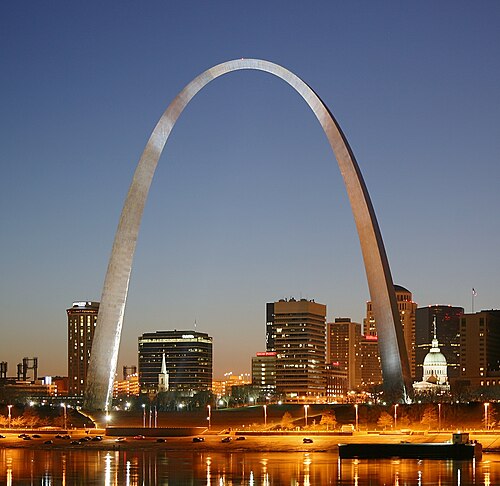
Torbogen
Vereinigte Staaten · 1965
Gateway Arch ist ein Bezugspunkt im öffentlichen Bild von Edelstahl.
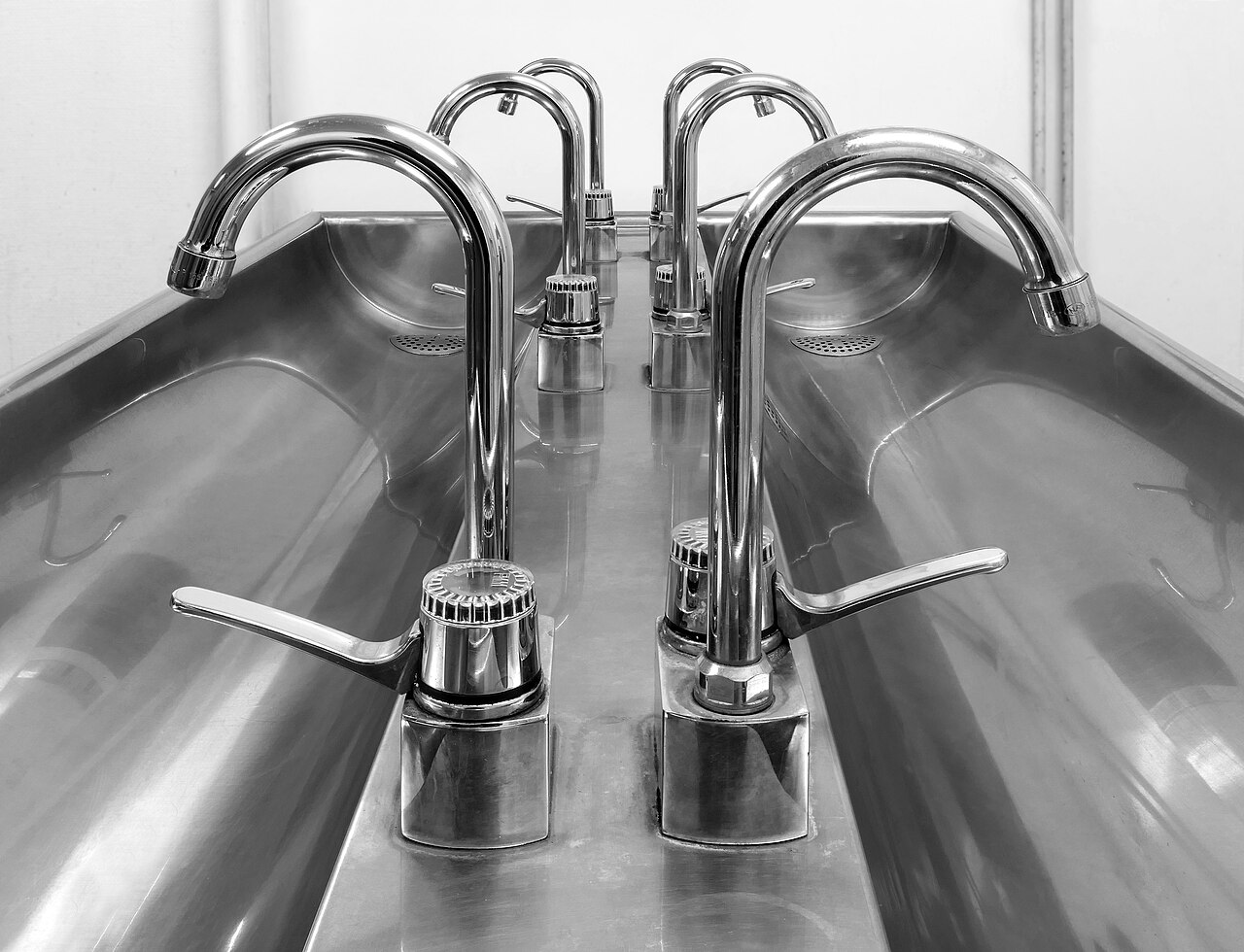
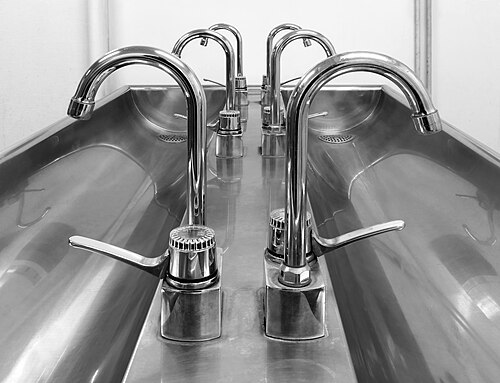
304 Waschbecken
Global · Nachkriegszeit
304-Spülen sind ein Bezugspunkt im öffentlichen Image von Edelstahl.
Duplex-Riser
Nordsee · 1980er–
Duplex-Riser sind ein Bezugspunkt im öffentlichen Image von Edelstahl.
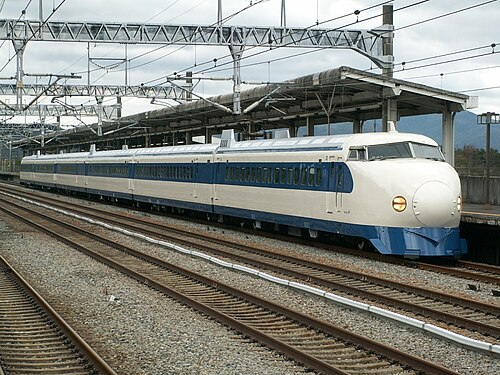
Shinkansen-Hautteile
Japan · 1964–
Shinkansen-Hautteile sind ein Bezugspunkt im öffentlichen Image von Edelstahl.
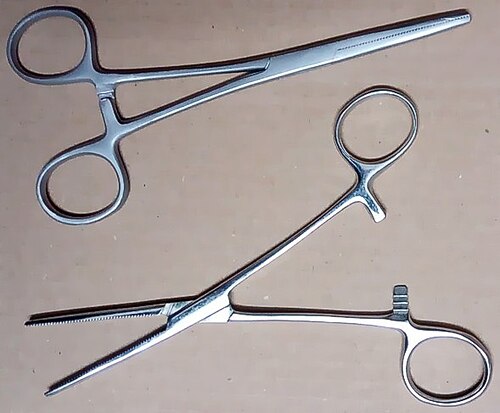
Chirurgisches 316L
Global · 20. Jh.–
Chirurgischer Edelstahl 316L ist ein Bezugspunkt im öffentlichen Image von Edelstahl.
Krupp V2A
Deutschland · 1912
Krupp V2A ist ein Bezugspunkt im öffentlichen Bild von Edelstahl.
Ikonen ein- und ausschalten — jeder Balken skaliert auf den Führenden Ihrer Auswahl.