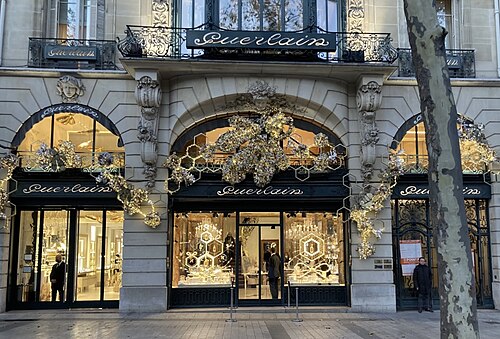
Thomon · CC BY-SA 4.0 · Wikimedia Commons
Nahéma
1979– · France
Jean-Paul Guerlain’s damask opera; rose as tragedy and velvet.
Nahéma (1979–, France) is still the story a counter tells when this family needs a name.
Read Nahéma as dose and geometry, not a mood board — that is how Rose is argued.
Paris
1983– · France
Sophia Grojsman’s ionone-rose; lipstick and city air.
Paris (1983–, France) is still the story a counter tells when this family needs a name.
Read Paris as dose and geometry, not a mood board — that is how Rose is argued.
Portrait of a Lady
2010– · France
Ropion’s rose-patchouli-incense; the niche rose monument.
Portrait of a Lady (2010–, France) is still the story a counter tells when this family needs a name.
Read Portrait of a Lady as dose and geometry, not a mood board — that is how Rose is argued.
Rose 31
2006– · United States
Cumin and rose; unisex, savory, divisive.
Rose 31 (2006–, United States) is still the story a counter tells when this family needs a name.
Read Rose 31 as dose and geometry, not a mood board — that is how Rose is argued.
Tea Rose
1970s · United States
Photoreal garden rose that taught malls a single-flower rose.
Tea Rose (1970s, United States) is still the story a counter tells when this family needs a name.
Read Tea Rose as dose and geometry, not a mood board — that is how Rose is argued.
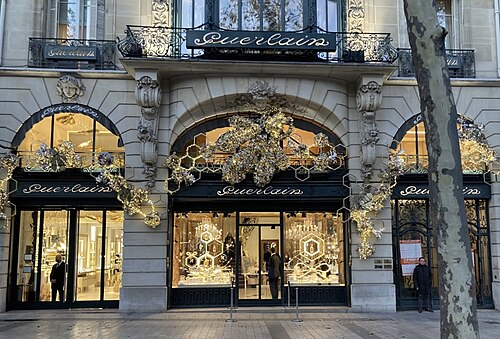
Thomon · CC BY-SA 4.0 · Wikimedia Commons
Jean-Paul Guerlain
1937– · France
Nahéma’s author; last family nose of the old Guerlain rose school.
Jean-Paul Guerlain (1937–, France) is still the story a counter tells when this family needs a name.
Read Jean-Paul Guerlain as dose and geometry, not a mood board — that is how Rose is argued.
Sophia Grojsman
1945– · United States
Paris and the “hug me” accord — rose as emotion, not botany.
Sophia Grojsman (1945–, United States) is still the story a counter tells when this family needs a name.
Read Sophia Grojsman as dose and geometry, not a mood board — that is how Rose is argued.
Nature lusty vikash · CC BY-SA 4.0 · Wikimedia Commons
Kannauj attar
c. 1600s– · India
Rose ruh into sandalwood; a living rose technology older than Grasse extraits.
Kannauj attar (c. 1600s–, India) is still the story a counter tells when this family needs a name.
Read Kannauj attar as dose and geometry, not a mood board — that is how Rose is argued.