🦅 Eagle (1940): should the legal-protection year note, marked 1940, decide before a worth ranking?
Open Eagle at the legal-protection year note from 1940 and keep the figure 1940 inside the Conservation pressure chapter before you accept a worth ranking. Owl stays in Anatomy & senses only as a contrast you can already open on this atlas. This is a conservation decision, not a ranking of animals by worth, and not a live census. The decision is which existing page to trust, not a new seven-chapter clone.
🦅 Eagle (1972): should the pesticide-ban year note, marked 1972, decide before a worth ranking?
Open Eagle at the pesticide-ban year note from 1972 and keep the figure 1972 inside the Conservation pressure chapter before you accept a worth ranking. Crane stays in Conservation pressure only as a contrast you can already open on this atlas. This is a conservation decision, not a ranking of animals by worth, and not a live census. The decision is which existing page to trust, not a new seven-chapter clone.
🦉 Owl (270): should the neck-turn degrees note, marked 270, decide before a worth ranking?
Open Owl at the neck-turn degrees note from 270 and keep the figure 270 inside the Anatomy & senses chapter before you accept a worth ranking. Eagle stays in Anatomy & senses only as a contrast you can already open on this atlas. This is a conservation decision, not a ranking of animals by worth, and not a live census. The decision is which existing page to trust, not a new seven-chapter clone.
🦉 Owl (1): should the facial-disc hearing note, marked 1, decide before a worth ranking?
Open Owl at the facial-disc hearing note from 1 and keep the figure 1 inside the Life & behaviour chapter before you accept a worth ranking. Eagle stays in Life & behaviour only as a contrast you can already open on this atlas. This is a conservation decision, not a ranking of animals by worth, and not a live census. The decision is which existing page to trust, not a new seven-chapter clone.
🐧 Penguin (1959): should the Antarctic treaty year note, marked 1959, decide before a worth ranking?
Open Penguin at the Antarctic treaty year note from 1959 and keep the figure 1959 inside the Conservation pressure chapter before you accept a worth ranking. Albatross stays in Conservation pressure only as a contrast you can already open on this atlas. This is a conservation decision, not a ranking of animals by worth, and not a live census. The decision is which existing page to trust, not a new seven-chapter clone.
🐧 Penguin (1982): should the krill-convention year note, marked 1982, decide before a worth ranking?
Open Penguin at the krill-convention year note from 1982 and keep the figure 1982 inside the Conservation pressure chapter before you accept a worth ranking. Salmon stays in Conservation pressure only as a contrast you can already open on this atlas. This is a conservation decision, not a ranking of animals by worth, and not a live census. The decision is which existing page to trust, not a new seven-chapter clone.
🐦 Hummingbird (1): should the one nightly torpor note, marked 1, decide before a worth ranking?
Open Hummingbird at the one nightly torpor note from 1 and keep the figure 1 inside the Life & behaviour chapter before you accept a worth ranking. Flamingo stays in Anatomy & senses only as a contrast you can already open on this atlas. This is a conservation decision, not a ranking of animals by worth, and not a live census. The decision is which existing page to trust, not a new seven-chapter clone.
🐦 Hummingbird (1975): should the trade-listing year note, marked 1975, decide before a worth ranking?
Open Hummingbird at the trade-listing year note from 1975 and keep the figure 1975 inside the Conservation pressure chapter before you accept a worth ranking. Parrot stays in Conservation pressure only as a contrast you can already open on this atlas. This is a conservation decision, not a ranking of animals by worth, and not a live census. The decision is which existing page to trust, not a new seven-chapter clone.
🦩 Flamingo (1971): should the wetland-convention year note, marked 1971, decide before a worth ranking?
Open Flamingo at the wetland-convention year note from 1971 and keep the figure 1971 inside the Conservation pressure chapter before you accept a worth ranking. Penguin stays in Conservation pressure only as a contrast you can already open on this atlas. This is a conservation decision, not a ranking of animals by worth, and not a live census. The decision is which existing page to trust, not a new seven-chapter clone.
🦩 Flamingo (1): should the lake-level nesting note, marked 1, decide before a worth ranking?
Open Flamingo at the lake-level nesting note from 1 and keep the figure 1 inside the Life & behaviour chapter before you accept a worth ranking. Crane stays in Anatomy & senses only as a contrast you can already open on this atlas. This is a conservation decision, not a ranking of animals by worth, and not a live census. The decision is which existing page to trust, not a new seven-chapter clone.
🦜 Parrot (1975): should the wild-bird trade listing note, marked 1975, decide before a worth ranking?
Open Parrot at the wild-bird trade listing note from 1975 and keep the figure 1975 inside the Conservation pressure chapter before you accept a worth ranking. Hummingbird stays in Conservation pressure only as a contrast you can already open on this atlas. This is a conservation decision, not a ranking of animals by worth, and not a live census. The decision is which existing page to trust, not a new seven-chapter clone.
🦜 Parrot (1992): should the import-ban year note, marked 1992, decide before a worth ranking?
Open Parrot at the import-ban year note from 1992 and keep the figure 1992 inside the Conservation pressure chapter before you accept a worth ranking. Tiger stays in Conservation pressure only as a contrast you can already open on this atlas. This is a conservation decision, not a ranking of animals by worth, and not a live census. The decision is which existing page to trust, not a new seven-chapter clone.
🪽 Albatross (2001): should the longline-bycatch agreement note, marked 2001, decide before a worth ranking?
Open Albatross at the longline-bycatch agreement note from 2001 and keep the figure 2001 inside the Conservation pressure chapter before you accept a worth ranking. Penguin stays in Conservation pressure only as a contrast you can already open on this atlas. This is a conservation decision, not a ranking of animals by worth, and not a live census. The decision is which existing page to trust, not a new seven-chapter clone.
🪽 Albatross (2004): should the treaty-in-force year note, marked 2004, decide before a worth ranking?
Open Albatross at the treaty-in-force year note from 2004 and keep the figure 2004 inside the Conservation pressure chapter before you accept a worth ranking. Atlantic bluefin tuna stays in Range & people only as a contrast you can already open on this atlas. This is a conservation decision, not a ranking of animals by worth, and not a live census. The decision is which existing page to trust, not a new seven-chapter clone.
🦢 Crane (1979): should the flyway-wetland year note, marked 1979, decide before a worth ranking?
Open Crane at the flyway-wetland year note from 1979 and keep the figure 1979 inside the Conservation pressure chapter before you accept a worth ranking. Flamingo stays in Conservation pressure only as a contrast you can already open on this atlas. This is a conservation decision, not a ranking of animals by worth, and not a live census. The decision is which existing page to trust, not a new seven-chapter clone.
🦢 Crane (2): should the pen versus the flyway note, marked 2, decide before a worth ranking?
Open Crane at the pen versus the flyway note from 2 and keep the figure 2 inside the Conservation pressure chapter before you accept a worth ranking. Eagle stays in Culture & meaning only as a contrast you can already open on this atlas. This is a conservation decision, not a ranking of animals by worth, and not a live census. The decision is which existing page to trust, not a new seven-chapter clone.
🦈 Great white shark (2004): should the trade-listing year note, marked 2004, decide before a worth ranking?
Open Great white shark at the trade-listing year note from 2004 and keep the figure 2004 inside the Conservation pressure chapter before you accept a worth ranking. Atlantic bluefin tuna stays in Conservation pressure only as a contrast you can already open on this atlas. This is a conservation decision, not a ranking of animals by worth, and not a live census. The decision is which existing page to trust, not a new seven-chapter clone.
🦈 Great white shark (1991): should the protection-statute year note, marked 1991, decide before a worth ranking?
Open Great white shark at the protection-statute year note from 1991 and keep the figure 1991 inside the Conservation pressure chapter before you accept a worth ranking. Tiger stays in Conservation pressure only as a contrast you can already open on this atlas. This is a conservation decision, not a ranking of animals by worth, and not a live census. The decision is which existing page to trust, not a new seven-chapter clone.
🐟 Salmon (1985): should the treaty-fish year note, marked 1985, decide before a worth ranking?
Open Salmon at the treaty-fish year note from 1985 and keep the figure 1985 inside the Conservation pressure chapter before you accept a worth ranking. Atlantic bluefin tuna stays in Range & people only as a contrast you can already open on this atlas. This is a conservation decision, not a ranking of animals by worth, and not a live census. The decision is which existing page to trust, not a new seven-chapter clone.
🐟 Salmon (2): should the wild run versus a hatchery note, marked 2, decide before a worth ranking?
Open Salmon at the wild run versus a hatchery note from 2 and keep the figure 2 inside the Conservation pressure chapter before you accept a worth ranking. Koi stays in Culture & meaning only as a contrast you can already open on this atlas. This is a conservation decision, not a ranking of animals by worth, and not a live census. The decision is which existing page to trust, not a new seven-chapter clone.
🐟 Atlantic bluefin tuna (1969): should the commission-founding year note, marked 1969, decide before a worth ranking?
Open Atlantic bluefin tuna at the commission-founding year note from 1969 and keep the figure 1969 inside the Conservation pressure chapter before you accept a worth ranking. Salmon stays in Conservation pressure only as a contrast you can already open on this atlas. This is a conservation decision, not a ranking of animals by worth, and not a live census. The decision is which existing page to trust, not a new seven-chapter clone.
🐟 Atlantic bluefin tuna (2010): should the quota era versus a menu price note, marked 2010, decide before a worth ranking?
Open Atlantic bluefin tuna at the quota era versus a menu price note from 2010 and keep the figure 2010 inside the Range & people chapter before you accept a worth ranking. Seahorse stays in Conservation pressure only as a contrast you can already open on this atlas. This is a conservation decision, not a ranking of animals by worth, and not a live census. The decision is which existing page to trust, not a new seven-chapter clone.
🐠 Clownfish (1): should the single anemone host note, marked 1, decide before a worth ranking?
Open Clownfish at the single anemone host note from 1 and keep the figure 1 inside the Life & behaviour chapter before you accept a worth ranking. Seahorse stays in Anatomy & senses only as a contrast you can already open on this atlas. This is a conservation decision, not a ranking of animals by worth, and not a live census. The decision is which existing page to trust, not a new seven-chapter clone.
🐠 Clownfish (2003): should the pet-demand year note, marked 2003, decide before a worth ranking?
Open Clownfish at the pet-demand year note from 2003 and keep the figure 2003 inside the Conservation pressure chapter before you accept a worth ranking. Parrot stays in Range & people only as a contrast you can already open on this atlas. This is a conservation decision, not a ranking of animals by worth, and not a live census. The decision is which existing page to trust, not a new seven-chapter clone.
🐴 Seahorse (2002): should the dried-trade listing note, marked 2002, decide before a worth ranking?
Open Seahorse at the dried-trade listing note from 2002 and keep the figure 2002 inside the Conservation pressure chapter before you accept a worth ranking. Clownfish stays in Conservation pressure only as a contrast you can already open on this atlas. This is a conservation decision, not a ranking of animals by worth, and not a live census. The decision is which existing page to trust, not a new seven-chapter clone.
🐴 Seahorse (1): should the male brood pouch note, marked 1, decide before a worth ranking?
Open Seahorse at the male brood pouch note from 1 and keep the figure 1 inside the Anatomy & senses chapter before you accept a worth ranking. Clownfish stays in Anatomy & senses only as a contrast you can already open on this atlas. This is a conservation decision, not a ranking of animals by worth, and not a live census. The decision is which existing page to trust, not a new seven-chapter clone.
🎏 Koi (1914): should the garden-strain year note, marked 1914, decide before a worth ranking?
Open Koi at the garden-strain year note from 1914 and keep the figure 1914 inside the Culture & meaning chapter before you accept a worth ranking. Salmon stays in Conservation pressure only as a contrast you can already open on this atlas. This is a conservation decision, not a ranking of animals by worth, and not a live census. The decision is which existing page to trust, not a new seven-chapter clone.
🎏 Koi (1): should the pond versus a wild river note, marked 1, decide before a worth ranking?
Open Koi at the pond versus a wild river note from 1 and keep the figure 1 inside the Conservation pressure chapter before you accept a worth ranking. Salmon stays in Anatomy & senses only as a contrast you can already open on this atlas. This is a conservation decision, not a ranking of animals by worth, and not a live census. The decision is which existing page to trust, not a new seven-chapter clone.
🐡 Pufferfish (4): should the fused-tooth beak note, marked 4, decide before a worth ranking?
Open Pufferfish at the fused-tooth beak note from 4 and keep the figure 4 inside the Anatomy & senses chapter before you accept a worth ranking. Electric eel stays in Anatomy & senses only as a contrast you can already open on this atlas. This is a conservation decision, not a ranking of animals by worth, and not a live census. The decision is which existing page to trust, not a new seven-chapter clone.
🐡 Pufferfish (1): should the anatomy warning, not a kitchen guide note, marked 1, decide before a worth ranking?
Open Pufferfish at the anatomy warning, not a kitchen guide note from 1 and keep the figure 1 inside the Anatomy & senses chapter before you accept a worth ranking. Clownfish stays in Life & behaviour only as a contrast you can already open on this atlas. This is a conservation decision, not a ranking of animals by worth, and not a live census. The decision is which existing page to trust, not a new seven-chapter clone.
⚡ Electric eel (3): should the three electric organs note, marked 3, decide before a worth ranking?
Open Electric eel at the three electric organs note from 3 and keep the figure 3 inside the Anatomy & senses chapter before you accept a worth ranking. Salmon stays in Anatomy & senses only as a contrast you can already open on this atlas. This is a conservation decision, not a ranking of animals by worth, and not a live census. The decision is which existing page to trust, not a new seven-chapter clone.
⚡ Electric eel (1): should the river versus a tank demo note, marked 1, decide before a worth ranking?
Open Electric eel at the river versus a tank demo note from 1 and keep the figure 1 inside the Conservation pressure chapter before you accept a worth ranking. Great white shark stays in Conservation pressure only as a contrast you can already open on this atlas. This is a conservation decision, not a ranking of animals by worth, and not a live census. The decision is which existing page to trust, not a new seven-chapter clone.
🐅 Tiger (1975): should the trade-ban year note, marked 1975, decide before a worth ranking?
Open Tiger at the trade-ban year note from 1975 and keep the figure 1975 inside the Conservation pressure chapter before you accept a worth ranking. Lion stays in Conservation pressure only as a contrast you can already open on this atlas. This is a conservation decision, not a ranking of animals by worth, and not a live census. The decision is which existing page to trust, not a new seven-chapter clone.
🐅 Tiger (13): should the range-country count note, marked 13, decide before a worth ranking?
Open Tiger at the range-country count note from 13 and keep the figure 13 inside the Conservation pressure chapter before you accept a worth ranking. Giant panda stays in Conservation pressure only as a contrast you can already open on this atlas. This is a conservation decision, not a ranking of animals by worth, and not a live census. The decision is which existing page to trust, not a new seven-chapter clone.
🦁 Lion (2016): should the listing-split year note, marked 2016, decide before a worth ranking?
Open Lion at the listing-split year note from 2016 and keep the figure 2016 inside the Conservation pressure chapter before you accept a worth ranking. Tiger stays in Conservation pressure only as a contrast you can already open on this atlas. This is a conservation decision, not a ranking of animals by worth, and not a live census. The decision is which existing page to trust, not a new seven-chapter clone.
🦁 Lion (1): should the livestock-conflict note note, marked 1, decide before a worth ranking?
Open Lion at the livestock-conflict note note from 1 and keep the figure 1 inside the Conservation pressure chapter before you accept a worth ranking. Gray wolf stays in Conservation pressure only as a contrast you can already open on this atlas. This is a conservation decision, not a ranking of animals by worth, and not a live census. The decision is which existing page to trust, not a new seven-chapter clone.
🐘 African bush elephant (1989): should the ivory-trade ban note, marked 1989, decide before a worth ranking?
Open African bush elephant at the ivory-trade ban note from 1989 and keep the figure 1989 inside the Conservation pressure chapter before you accept a worth ranking. Tiger stays in Conservation pressure only as a contrast you can already open on this atlas. This is a conservation decision, not a ranking of animals by worth, and not a live census. The decision is which existing page to trust, not a new seven-chapter clone.
🐘 African bush elephant (1): should the corridor versus a tusk photo note, marked 1, decide before a worth ranking?
Open African bush elephant at the corridor versus a tusk photo note from 1 and keep the figure 1 inside the Conservation pressure chapter before you accept a worth ranking. Gorilla stays in Conservation pressure only as a contrast you can already open on this atlas. This is a conservation decision, not a ranking of animals by worth, and not a live census. The decision is which existing page to trust, not a new seven-chapter clone.
🐺 Gray wolf (1995): should the reintroduction year note, marked 1995, decide before a worth ranking?
Open Gray wolf at the reintroduction year note from 1995 and keep the figure 1995 inside the Conservation pressure chapter before you accept a worth ranking. Lion stays in Culture & meaning only as a contrast you can already open on this atlas. This is a conservation decision, not a ranking of animals by worth, and not a live census. The decision is which existing page to trust, not a new seven-chapter clone.
🐺 Gray wolf (1): should the livestock-compensation note note, marked 1, decide before a worth ranking?
Open Gray wolf at the livestock-compensation note note from 1 and keep the figure 1 inside the Conservation pressure chapter before you accept a worth ranking. African bush elephant stays in Conservation pressure only as a contrast you can already open on this atlas. This is a conservation decision, not a ranking of animals by worth, and not a live census. The decision is which existing page to trust, not a new seven-chapter clone.
🐼 Giant panda (2016): should the status-change year note, marked 2016, decide before a worth ranking?
Open Giant panda at the status-change year note from 2016 and keep the figure 2016 inside the Conservation pressure chapter before you accept a worth ranking. Polar bear stays in Conservation pressure only as a contrast you can already open on this atlas. This is a conservation decision, not a ranking of animals by worth, and not a live census. The decision is which existing page to trust, not a new seven-chapter clone.
🐼 Giant panda (1): should the bamboo-diet specialty note, marked 1, decide before a worth ranking?
Open Giant panda at the bamboo-diet specialty note from 1 and keep the figure 1 inside the Life & behaviour chapter before you accept a worth ranking. Tiger stays in Anatomy & senses only as a contrast you can already open on this atlas. This is a conservation decision, not a ranking of animals by worth, and not a live census. The decision is which existing page to trust, not a new seven-chapter clone.
🐻 Polar bear (2008): should the sea-ice listing note, marked 2008, decide before a worth ranking?
Open Polar bear at the sea-ice listing note from 2008 and keep the figure 2008 inside the Conservation pressure chapter before you accept a worth ranking. Giant panda stays in Conservation pressure only as a contrast you can already open on this atlas. This is a conservation decision, not a ranking of animals by worth, and not a live census. The decision is which existing page to trust, not a new seven-chapter clone.
🐻 Polar bear (1): should the harvest note versus a postcard note, marked 1, decide before a worth ranking?
Open Polar bear at the harvest note versus a postcard note from 1 and keep the figure 1 inside the Conservation pressure chapter before you accept a worth ranking. Blue whale stays in Conservation pressure only as a contrast you can already open on this atlas. This is a conservation decision, not a ranking of animals by worth, and not a live census. The decision is which existing page to trust, not a new seven-chapter clone.
🦍 Gorilla (1975): should the ape-trade listing note, marked 1975, decide before a worth ranking?
Open Gorilla at the ape-trade listing note from 1975 and keep the figure 1975 inside the Conservation pressure chapter before you accept a worth ranking. African bush elephant stays in Conservation pressure only as a contrast you can already open on this atlas. This is a conservation decision, not a ranking of animals by worth, and not a live census. The decision is which existing page to trust, not a new seven-chapter clone.
🦍 Gorilla (1): should the family-group note note, marked 1, decide before a worth ranking?
Open Gorilla at the family-group note note from 1 and keep the figure 1 inside the Life & behaviour chapter before you accept a worth ranking. Gray wolf stays in Anatomy & senses only as a contrast you can already open on this atlas. This is a conservation decision, not a ranking of animals by worth, and not a live census. The decision is which existing page to trust, not a new seven-chapter clone.
🐋 Blue whale (1986): should the whaling-moratorium year note, marked 1986, decide before a worth ranking?
Open Blue whale at the whaling-moratorium year note from 1986 and keep the figure 1986 inside the Conservation pressure chapter before you accept a worth ranking. Great white shark stays in Conservation pressure only as a contrast you can already open on this atlas. This is a conservation decision, not a ranking of animals by worth, and not a live census. The decision is which existing page to trust, not a new seven-chapter clone.
🐋 Blue whale (1): should the ship-strike lane note, marked 1, decide before a worth ranking?
Open Blue whale at the ship-strike lane note from 1 and keep the figure 1 inside the Conservation pressure chapter before you accept a worth ranking. Albatross stays in Conservation pressure only as a contrast you can already open on this atlas. This is a conservation decision, not a ranking of animals by worth, and not a live census. The decision is which existing page to trust, not a new seven-chapter clone.
🐅 Tiger (2): should the refusal to rank by worth note, marked 2, decide before a worth ranking?
Open Tiger at the refusal to rank by worth note from 2 and keep the figure 2 inside the Conservation pressure chapter before you accept a worth ranking. Salmon stays in Conservation pressure only as a contrast you can already open on this atlas. This is a conservation decision, not a ranking of animals by worth, and not a live census. The decision is which existing page to trust, not a new seven-chapter clone.
🪽 Albatross (2): should the two different conservation tools note, marked 2, decide before a worth ranking?
Open Albatross at the two different conservation tools note from 2 and keep the figure 2 inside the Conservation pressure chapter before you accept a worth ranking. Atlantic bluefin tuna stays in Conservation pressure only as a contrast you can already open on this atlas. This is a conservation decision, not a ranking of animals by worth, and not a live census. The decision is which existing page to trust, not a new seven-chapter clone.
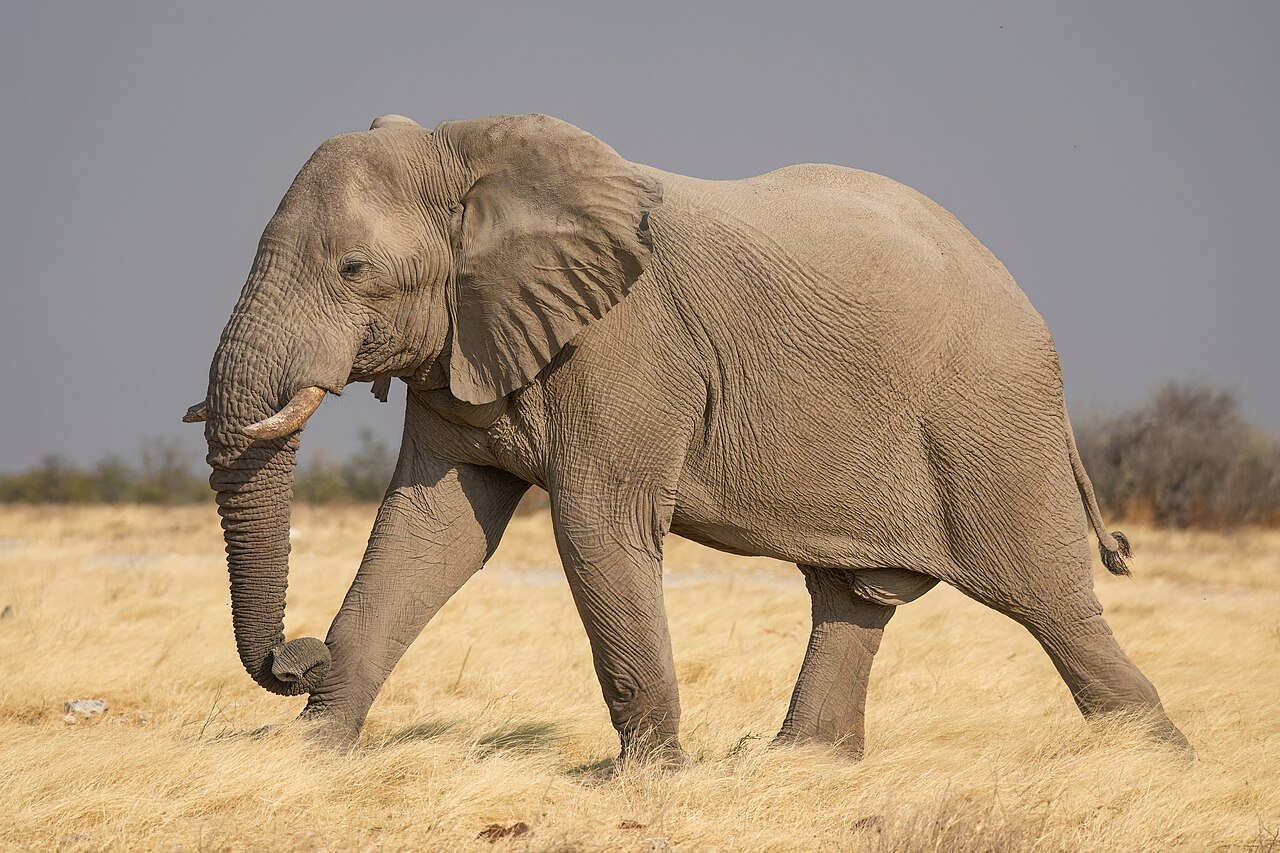
→ African bush elephant: after “African bush elephant is one of 24 types in this animals atlas”, what about “paras 1”?
African bush elephant is one of 24 types in this animals atlas. The pages treat it as a full system -- history, anatomy, operating principles, culture, icons, future pressure and market shape -- not a ranking of a best species. Seven chapters follow: origins, systems, how the animal works, cultural life, named icons, what conservation can still change, and how tourism, conflict, fisheries and parks move money.
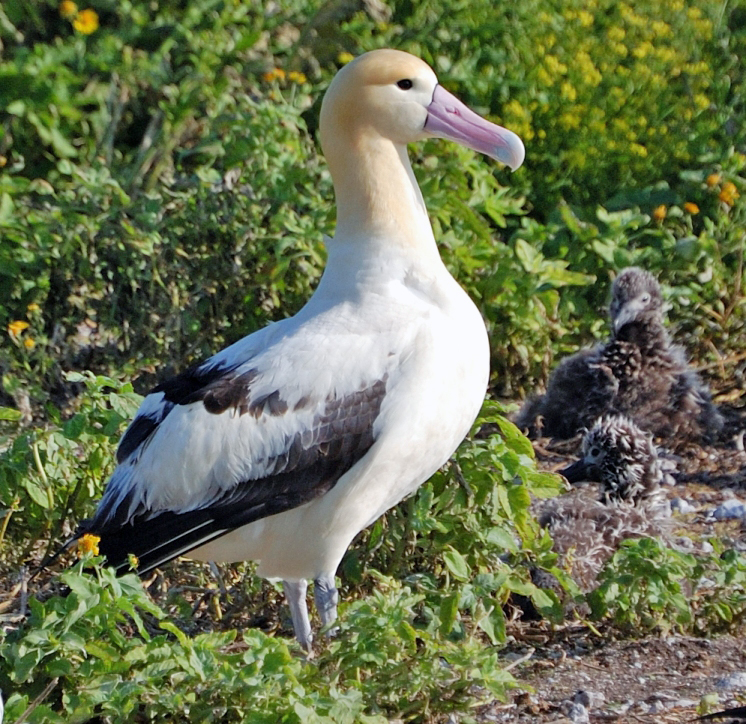
→ Albatross: after “Albatross is one of 24 types in this animals atlas”, what about “paras 1”?
Albatross is one of 24 types in this animals atlas. The pages treat it as a full system -- history, anatomy, operating principles, culture, icons, future pressure and market shape -- not a ranking of a best species. Seven chapters follow: origins, systems, how the animal works, cultural life, named icons, what conservation can still change, and how tourism, conflict, fisheries and parks move money.
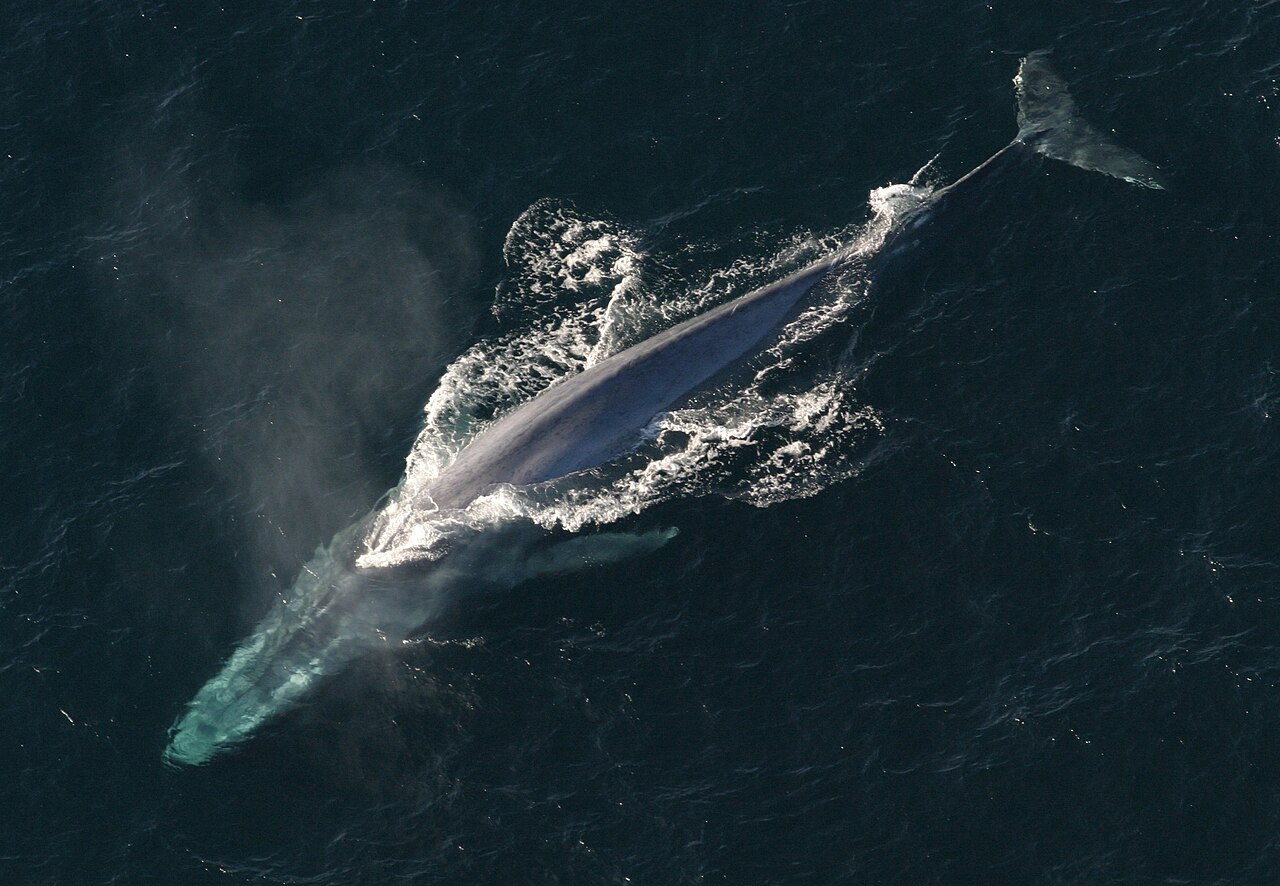
→ Blue whale: after “Blue whale is one of 24 types in this animals atlas”, what about “paras 1”?
Blue whale is one of 24 types in this animals atlas. The pages treat it as a full system -- history, anatomy, operating principles, culture, icons, future pressure and market shape -- not a ranking of a best species. Seven chapters follow: origins, systems, how the animal works, cultural life, named icons, what conservation can still change, and how tourism, conflict, fisheries and parks move money.
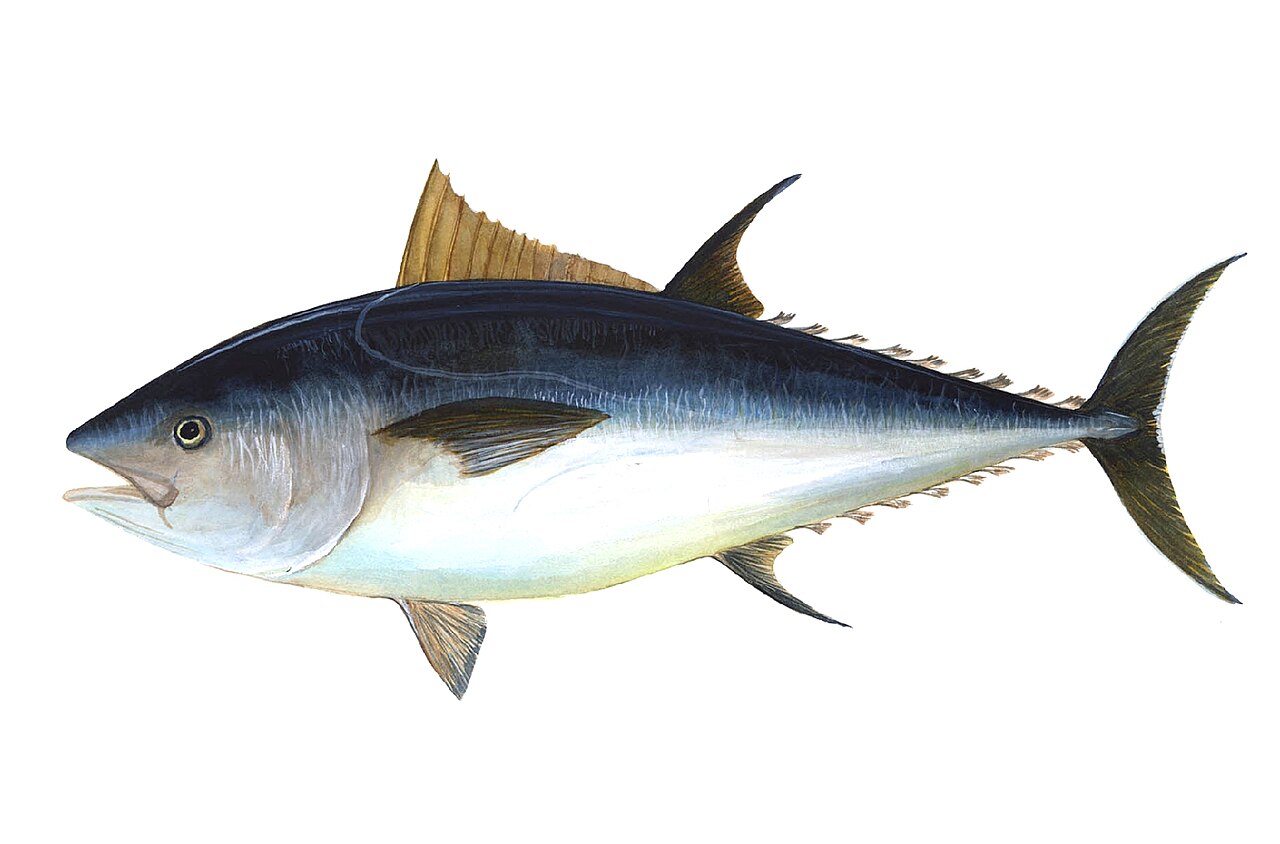
→ Atlantic bluefin tuna: after “Atlantic bluefin tuna is one of 24 types in this animals atlas”, what about “paras 1”?
Atlantic bluefin tuna is one of 24 types in this animals atlas. The pages treat it as a full system -- history, anatomy, operating principles, culture, icons, future pressure and market shape -- not a ranking of a best species. Seven chapters follow: origins, systems, how the animal works, cultural life, named icons, what conservation can still change, and how tourism, conflict, fisheries and parks move money.
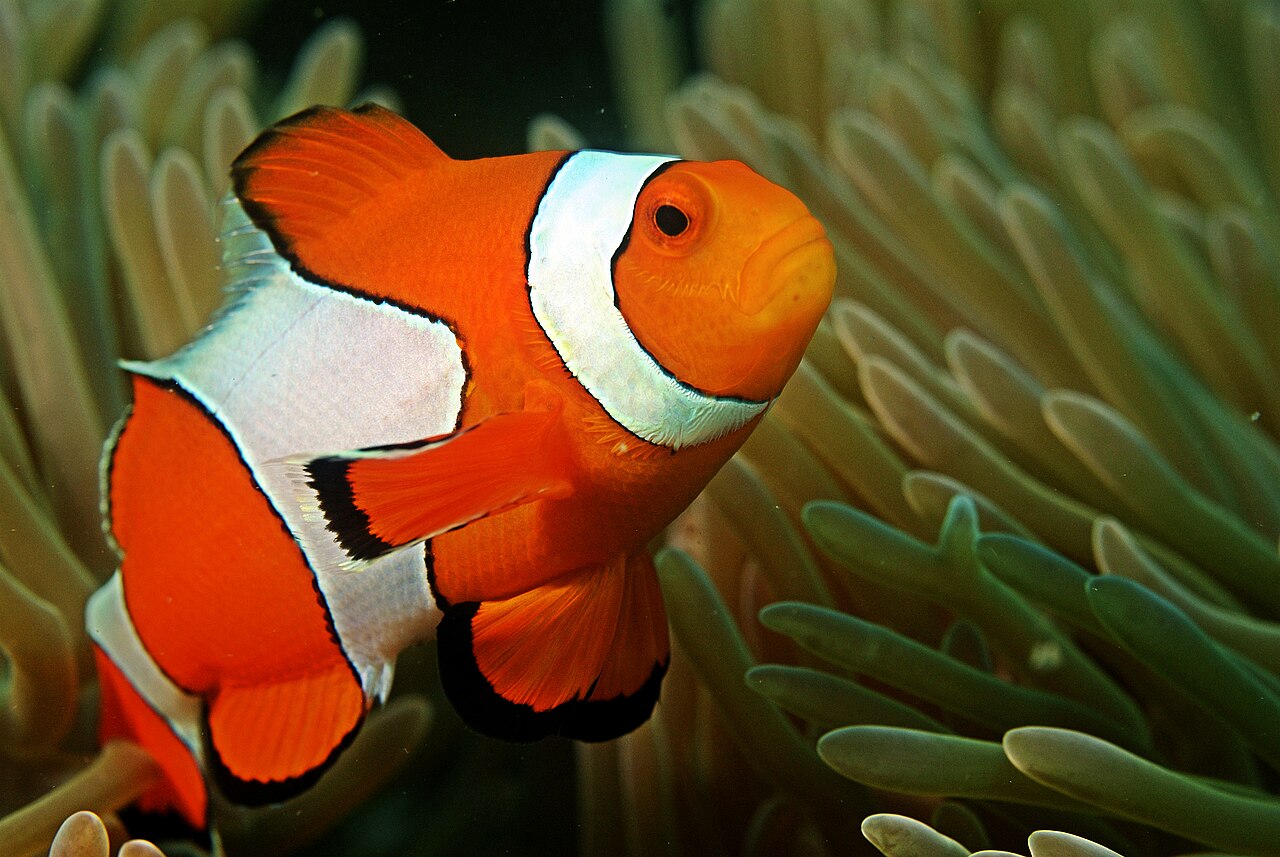
→ Clownfish: after “Clownfish is one of 24 types in this animals atlas”, what about “paras 1”?
Clownfish is one of 24 types in this animals atlas. The pages treat it as a full system -- history, anatomy, operating principles, culture, icons, future pressure and market shape -- not a ranking of a best species. Seven chapters follow: origins, systems, how the animal works, cultural life, named icons, what conservation can still change, and how tourism, conflict, fisheries and parks move money.
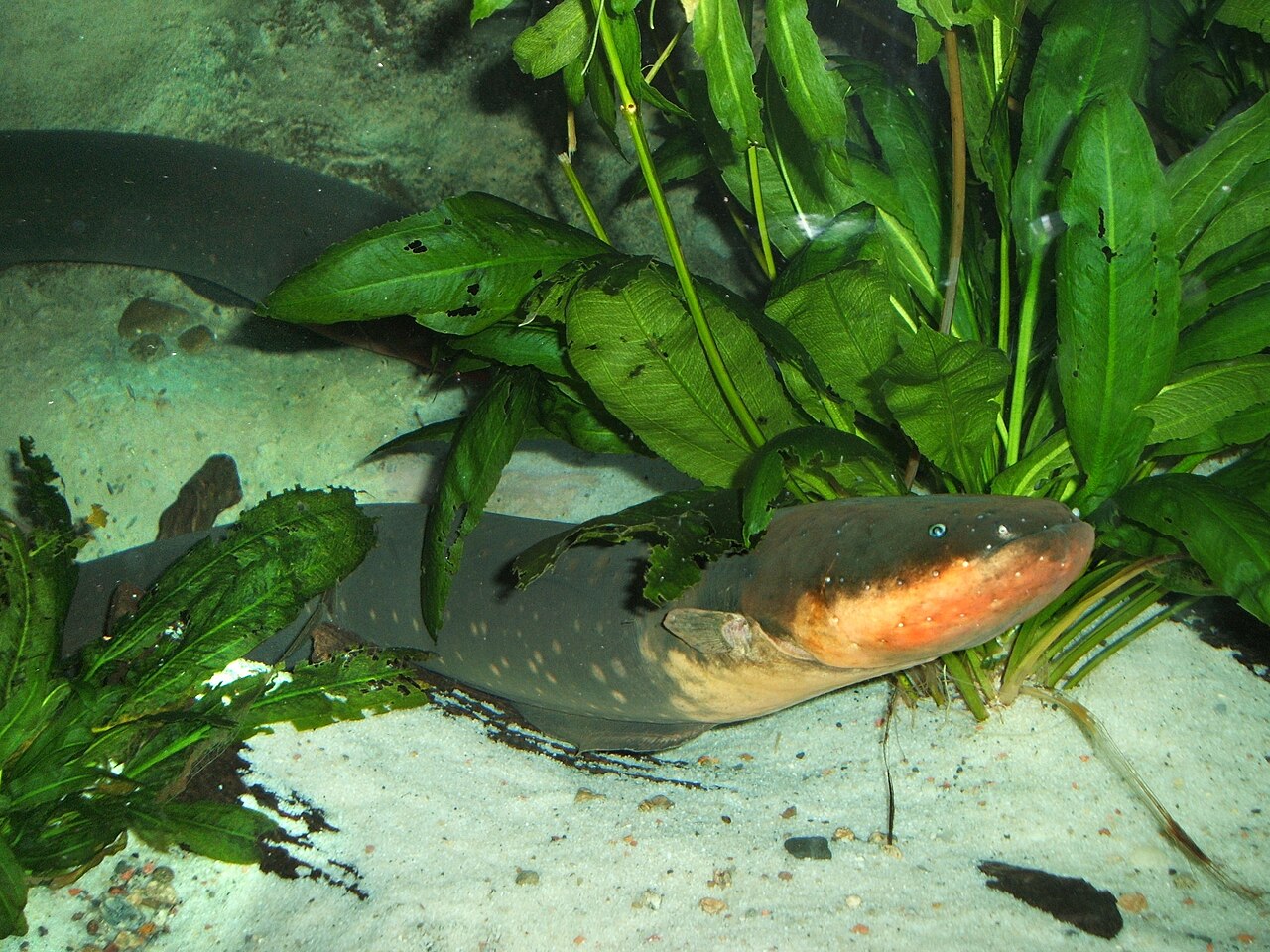
→ Electric eel: after “Electric eel is one of 24 types in this animals atlas”, what about “paras 1”?
Electric eel is one of 24 types in this animals atlas. The pages treat it as a full system -- history, anatomy, operating principles, culture, icons, future pressure and market shape -- not a ranking of a best species. Seven chapters follow: origins, systems, how the animal works, cultural life, named icons, what conservation can still change, and how tourism, conflict, fisheries and parks move money.
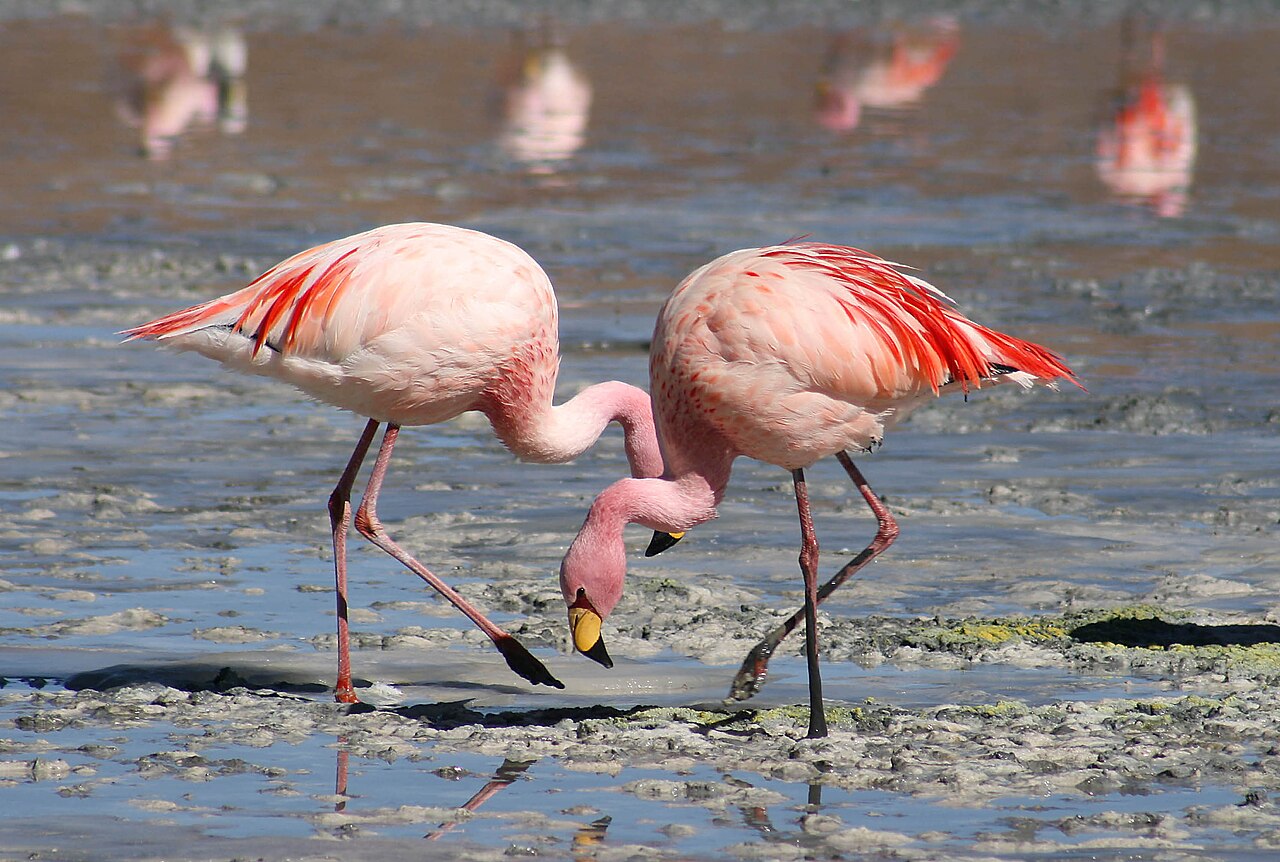
→ Flamingo: after “Flamingo is one of 24 types in this animals atlas”, what about “paras 1”?
Flamingo is one of 24 types in this animals atlas. The pages treat it as a full system -- history, anatomy, operating principles, culture, icons, future pressure and market shape -- not a ranking of a best species. Seven chapters follow: origins, systems, how the animal works, cultural life, named icons, what conservation can still change, and how tourism, conflict, fisheries and parks move money.
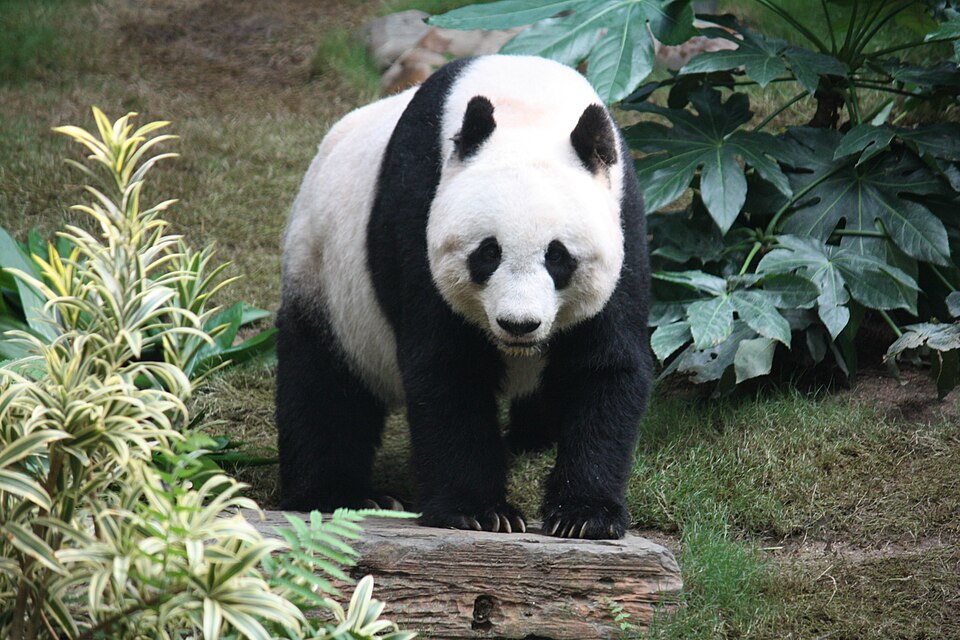
→ Giant panda: after “Giant panda is one of 24 types in this animals atlas”, what about “paras 1”?
Giant panda is one of 24 types in this animals atlas. The pages treat it as a full system -- history, anatomy, operating principles, culture, icons, future pressure and market shape -- not a ranking of a best species. Seven chapters follow: origins, systems, how the animal works, cultural life, named icons, what conservation can still change, and how tourism, conflict, fisheries and parks move money.
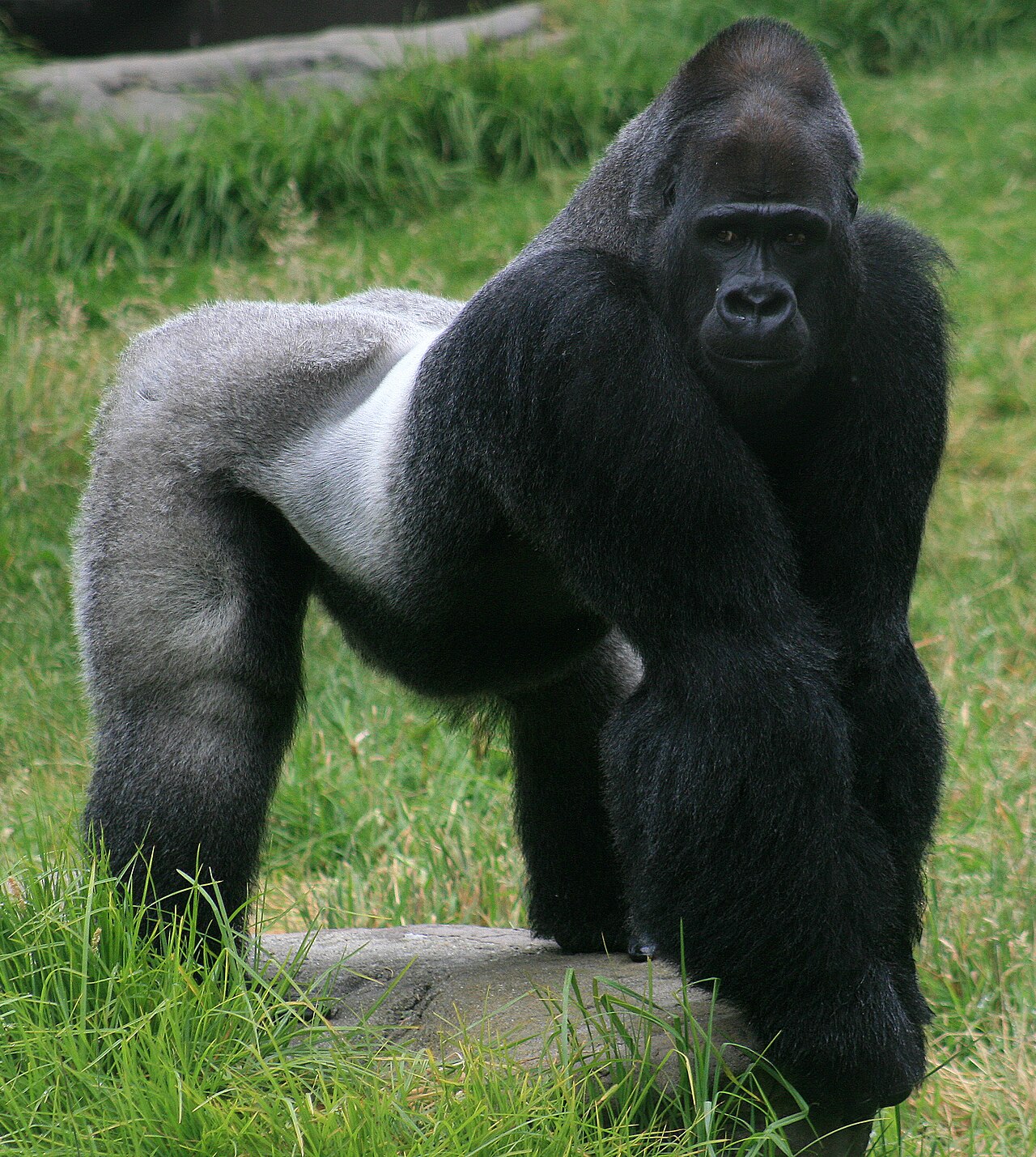
→ Gorilla: after “Gorilla is one of 24 types in this animals atlas”, what about “paras 1”?
Gorilla is one of 24 types in this animals atlas. The pages treat it as a full system -- history, anatomy, operating principles, culture, icons, future pressure and market shape -- not a ranking of a best species. Seven chapters follow: origins, systems, how the animal works, cultural life, named icons, what conservation can still change, and how tourism, conflict, fisheries and parks move money.
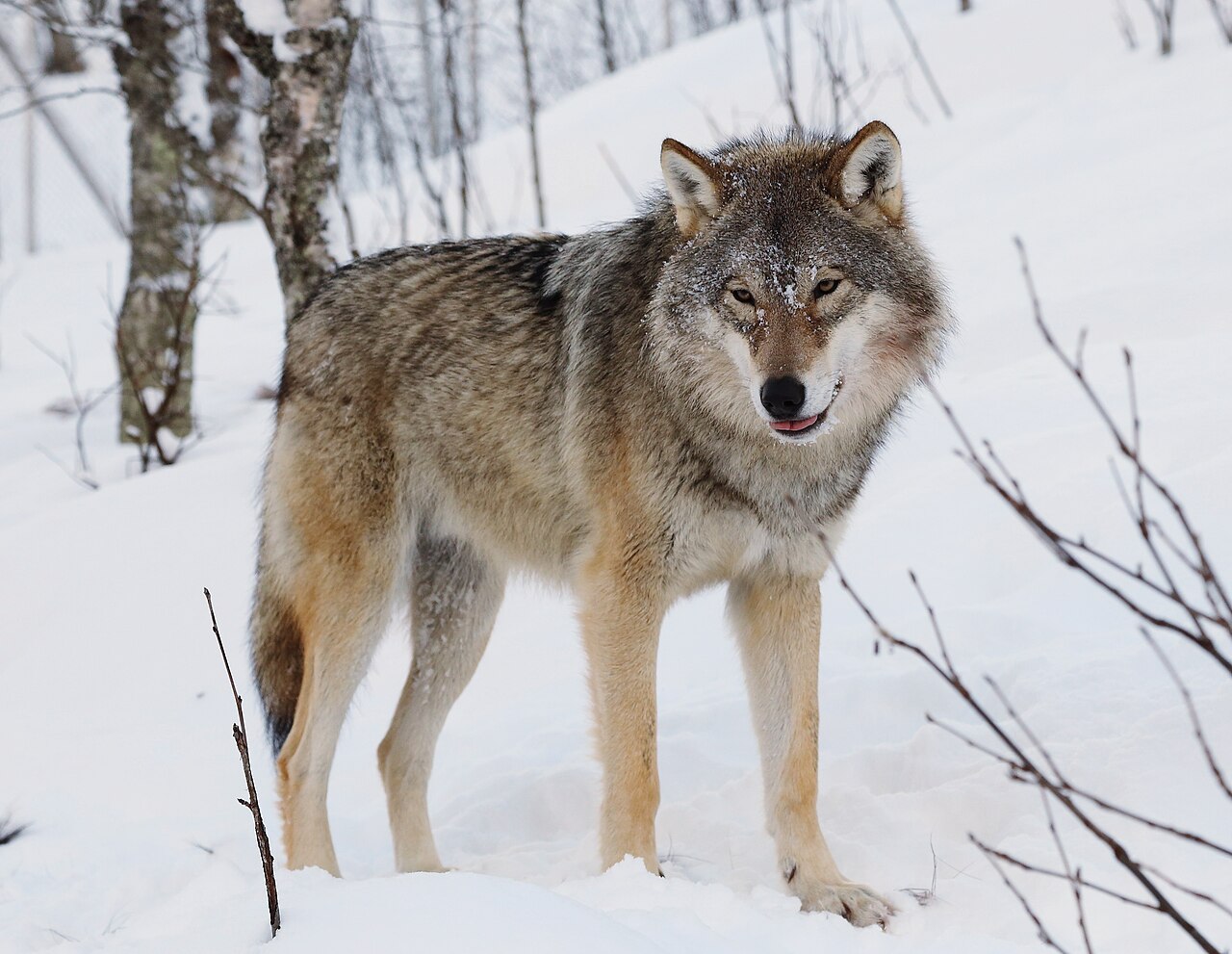
→ Gray wolf: after “Gray wolf is one of 24 types in this animals atlas”, what about “paras 1”?
Gray wolf is one of 24 types in this animals atlas. The pages treat it as a full system -- history, anatomy, operating principles, culture, icons, future pressure and market shape -- not a ranking of a best species. Seven chapters follow: origins, systems, how the animal works, cultural life, named icons, what conservation can still change, and how tourism, conflict, fisheries and parks move money.
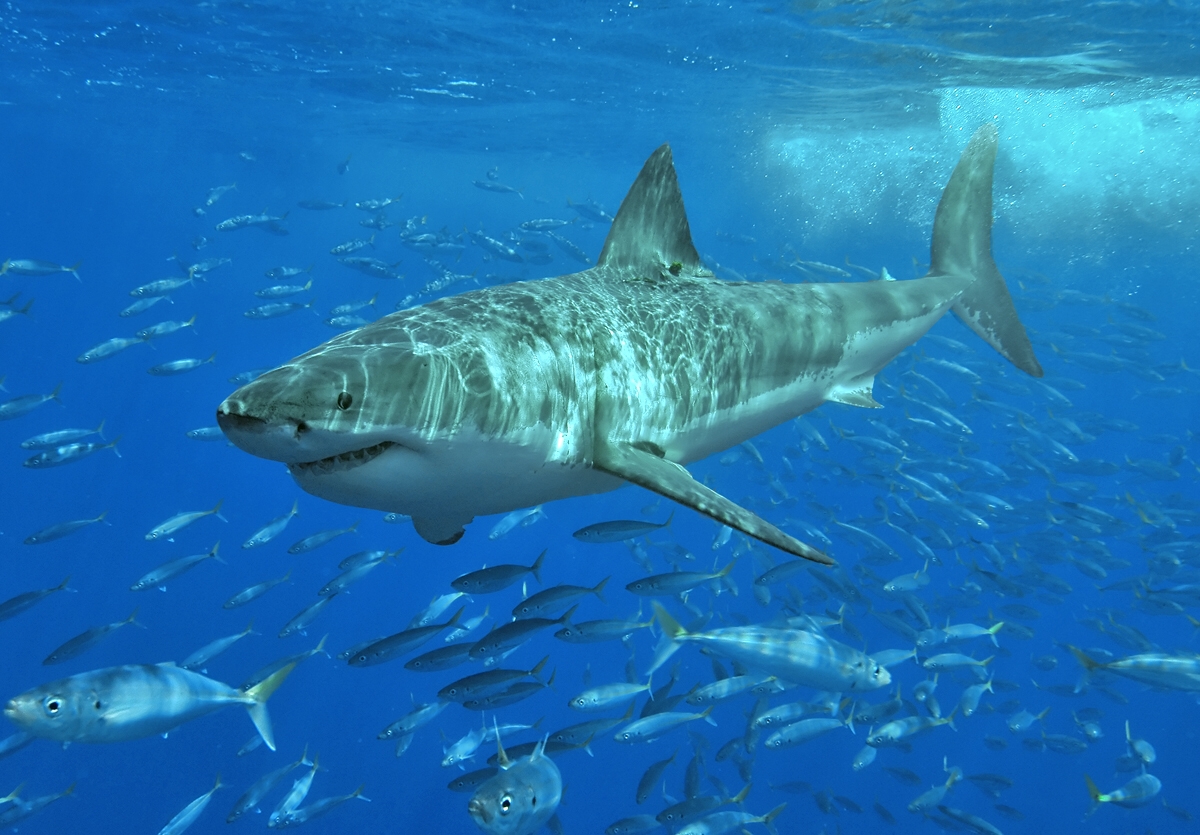
→ Great white shark: after “Great white shark is one of 24 types in this animals atlas”, what about “paras 1”?
Great white shark is one of 24 types in this animals atlas. The pages treat it as a full system -- history, anatomy, operating principles, culture, icons, future pressure and market shape -- not a ranking of a best species. Seven chapters follow: origins, systems, how the animal works, cultural life, named icons, what conservation can still change, and how tourism, conflict, fisheries and parks move money.
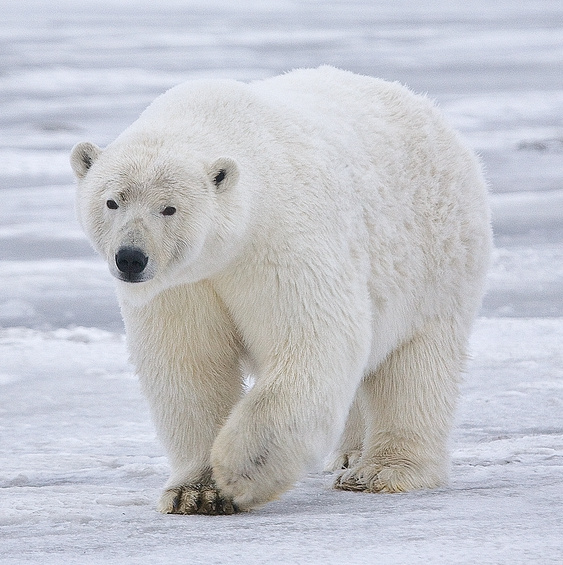
→ Polar bear: after “Polar bear is one of 24 types in this animals atlas”, what about “paras 1”?
Polar bear is one of 24 types in this animals atlas. The pages treat it as a full system -- history, anatomy, operating principles, culture, icons, future pressure and market shape -- not a ranking of a best species. Seven chapters follow: origins, systems, how the animal works, cultural life, named icons, what conservation can still change, and how tourism, conflict, fisheries and parks move money.
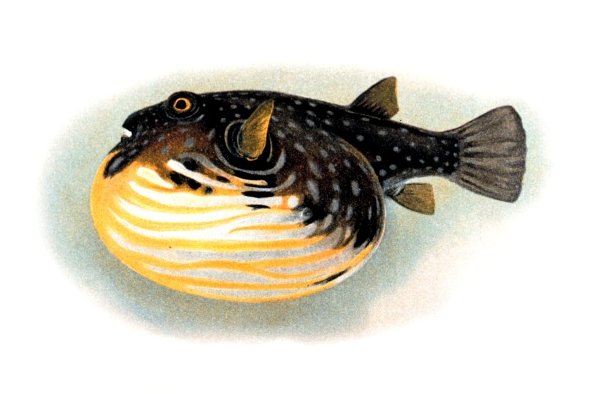
→ Pufferfish: after “Pufferfish is one of 24 types in this animals atlas”, what about “paras 1”?
Pufferfish is one of 24 types in this animals atlas. The pages treat it as a full system -- history, anatomy, operating principles, culture, icons, future pressure and market shape -- not a ranking of a best species. Seven chapters follow: origins, systems, how the animal works, cultural life, named icons, what conservation can still change, and how tourism, conflict, fisheries and parks move money.
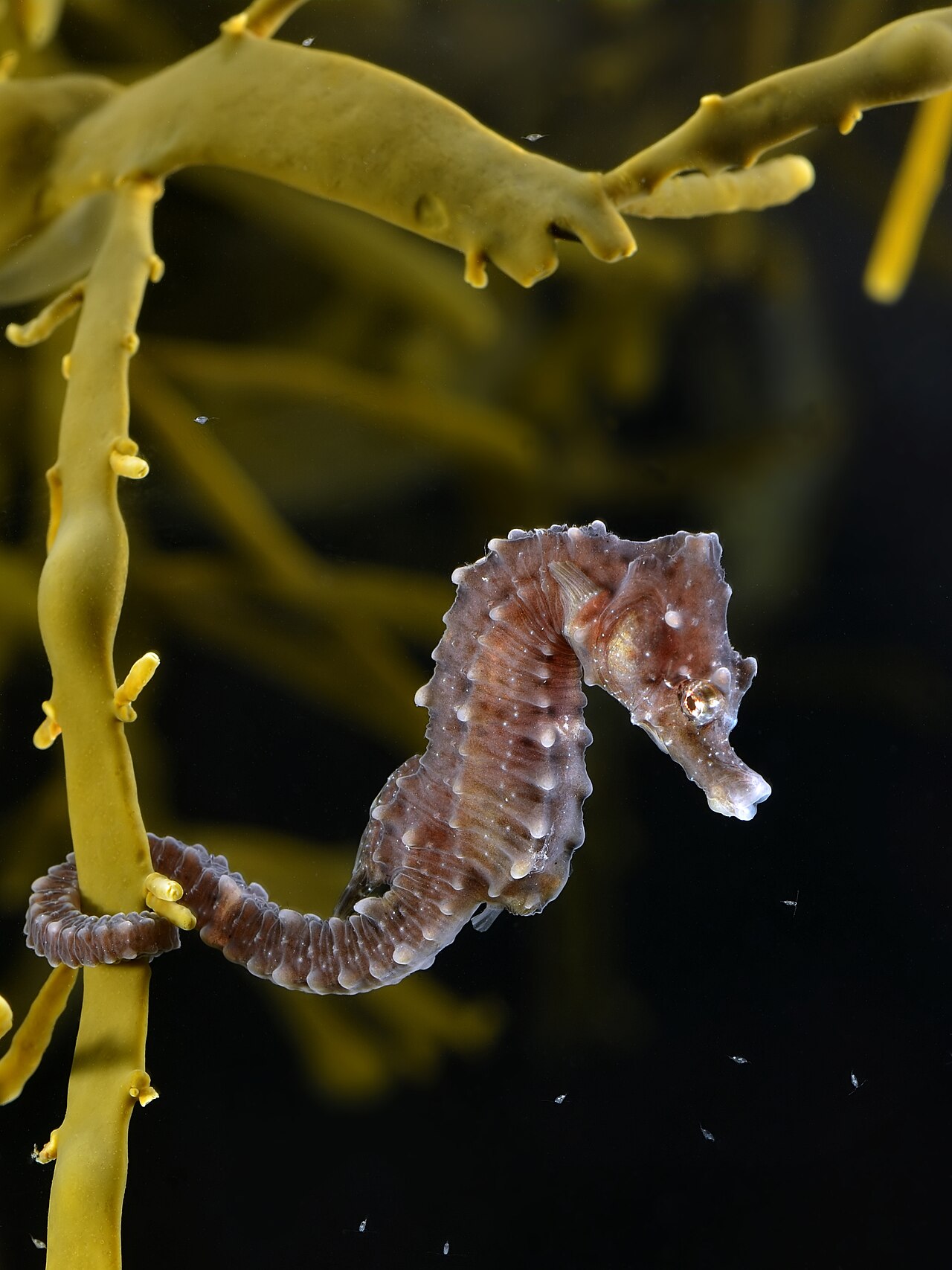
→ Seahorse: after “Seahorse is one of 24 types in this animals atlas”, what about “paras 1”?
Seahorse is one of 24 types in this animals atlas. The pages treat it as a full system -- history, anatomy, operating principles, culture, icons, future pressure and market shape -- not a ranking of a best species. Seven chapters follow: origins, systems, how the animal works, cultural life, named icons, what conservation can still change, and how tourism, conflict, fisheries and parks move money.
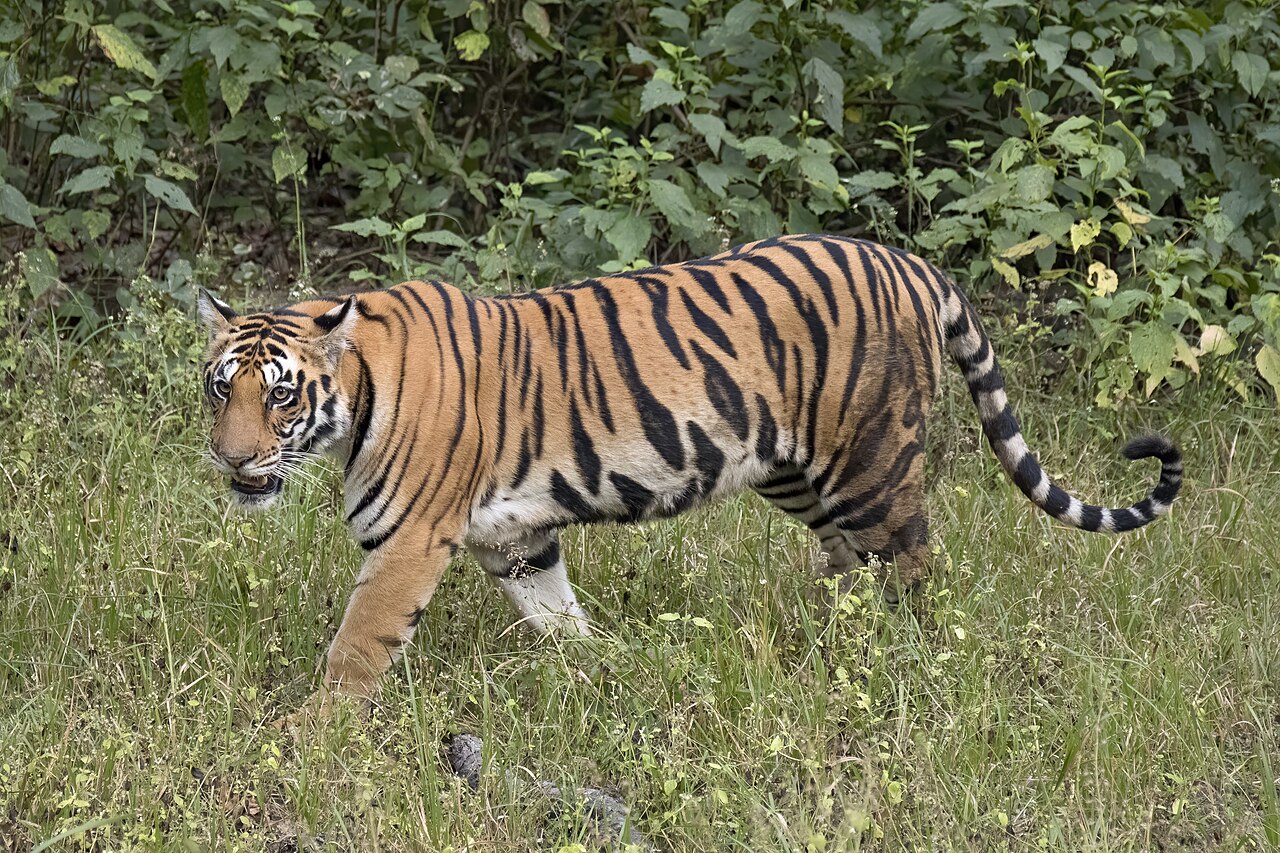
→ Tiger: after “Tiger is one of 24 types in this animals atlas”, what about “paras 1”?
Tiger is one of 24 types in this animals atlas. The pages treat it as a full system -- history, anatomy, operating principles, culture, icons, future pressure and market shape -- not a ranking of a best species. Seven chapters follow: origins, systems, how the animal works, cultural life, named icons, what conservation can still change, and how tourism, conflict, fisheries and parks move money.
→ Atlantic bluefin tuna: after “lede”, what about “Air-freight sashimi”?
Atlantic bluefin tuna biology is a stack of structure, energy, sensing and hard limits. The four sections below are the same headings used across the atlas so types can be compared without a best-species frame. Madrid-based commission began allocating a fish that was already industrial. (5)