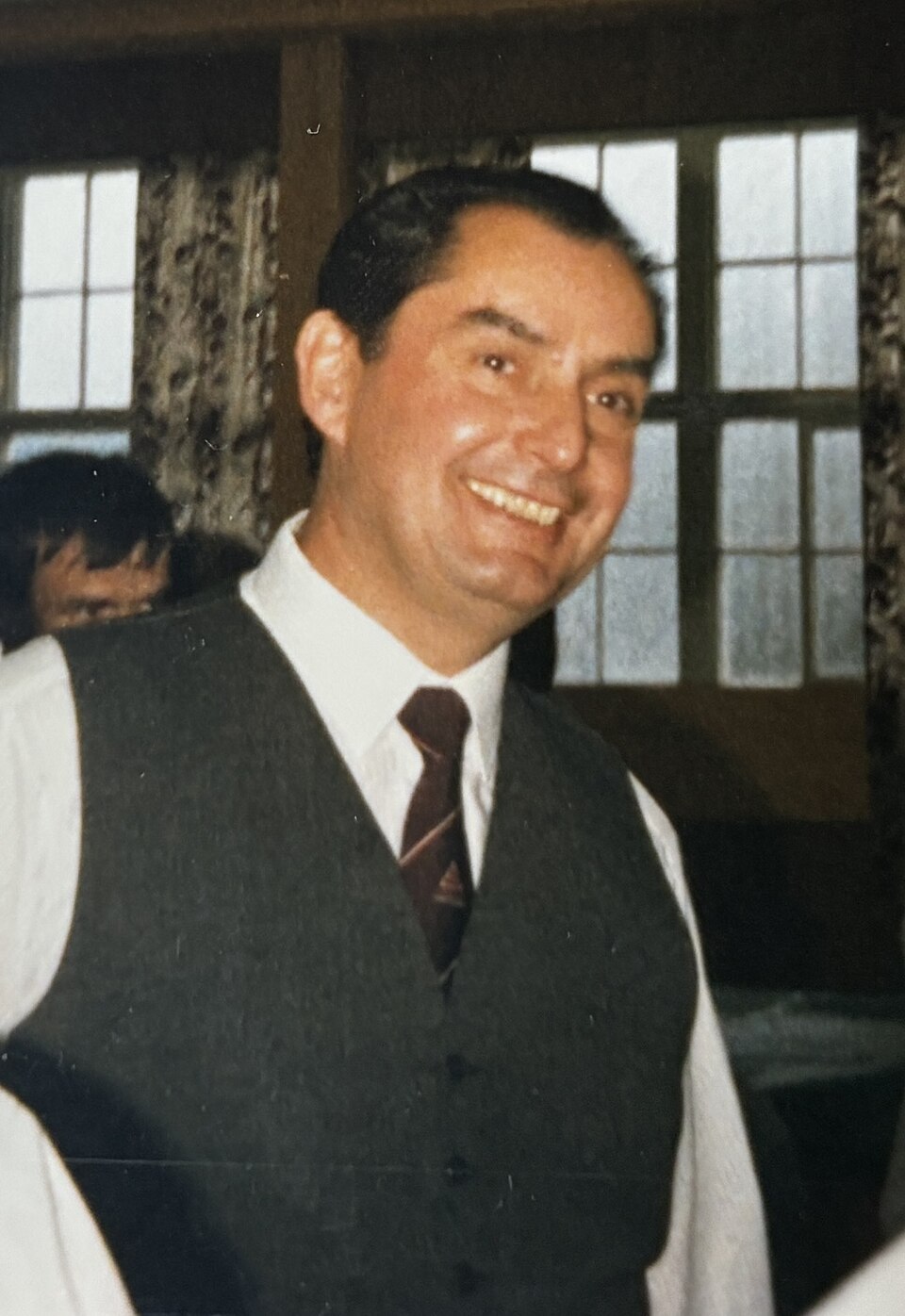
Ray Reardon
Ding Junhui
Stat by stat
Bars are scaled to the leader in this list.
The verdict
Ray Reardon leads 3 of 4 categories. Our all-time ranking places Ray Reardon at #6 and Ding Junhui at #12.
Head-to-head FAQ
Who leads more shared metrics?
How do the published ranks compare?
Are these live stats?
The case for Ray Reardon
The dominant figure of snooker's television revival and the bridge between the amateur game and the professional boom. A former coal miner and policeman, Reardon turned professional in 1967 and won six world titles in nine years (1970, 1973, 1974, 1975, 1976, 1978), reaching seven finals in all. He became the first official world number one when the ranking system was introduced in 1976, and his 1978 title made him world champion at 45, the oldest until Ronnie O'Sullivan in 2022. He also won the Masters in 1976, taking his Triple Crown tally to seven. Because ranking events barely existed in his prime — the World Championship was the only one until 1982 — his single ranking title badly understates his record. Nicknamed Dracula for his widow's peak and his habit of finishing opponents off slowly, he later coached O'Sullivan through his 2004 world title.
The case for Ding Junhui
The most successful Asian player in the sport's history and the single figure most responsible for its expansion into China. Ding won the 2005 China Open in Beijing at 18, beating Stephen Hendry 9-5 in front of an enormous home audience, and has since taken more than 14 ranking titles, more than any other player from Asia. His Triple Crown record stands at four: three UK Championships (2005, 2009, 2019) and the 2011 Masters. In 2013-14 he won five ranking events in a single season, equalling Hendry's record for a campaign. He reached the 2016 world final, the first Asian player to do so, losing 18-14 to Mark Selby, and has passed 500 career centuries. The absence of a world title is the gap in his case, but the academies, sponsorships and junior pathways that produced Zhao Xintong's 2025 championship were built on the interest Ding created twenty years earlier.