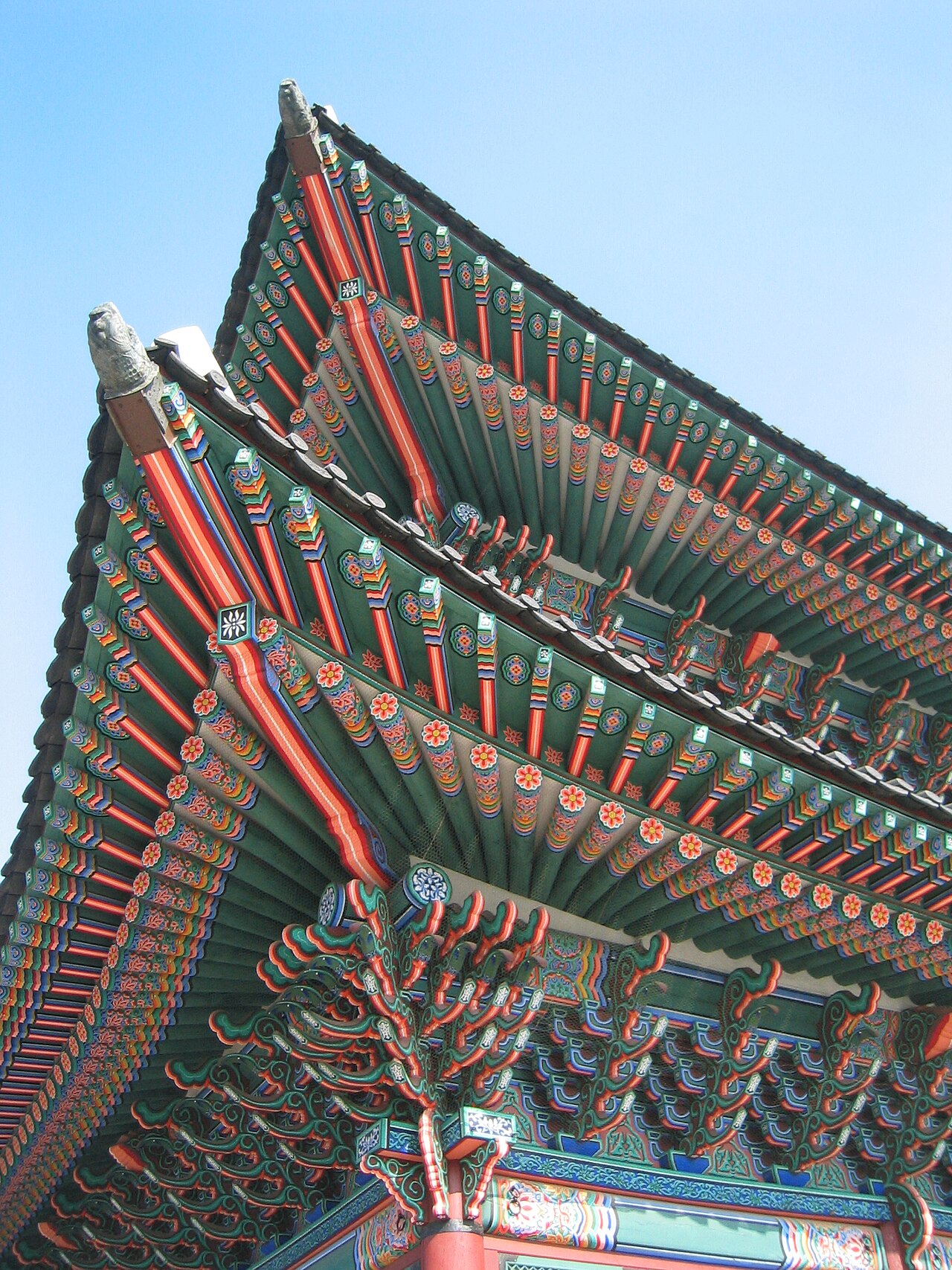
At a glance
This guide gathers origin stories, linguistic maps, everyday cuisine, ritual calendars, aesthetic forms and how the region looks in the twenty-first century, including diasporas. Images lean on Wikimedia Commons where licences allow commercial reuse. Claims prefer dated, checkable history over stereotypes.
Put two entries side by side
Choose another entry to read its key facts next to this one. Side by side is for curiosity; nothing here is ranked.
Korea
- Script Hangul (1443)
- States ROK · DPRK
- Staple Rice · banchan
- UNESCO ICH Many listings
- Demonym Korean
- Capital (south) Seoul
Amazon
- Languages Tupi, Tukano, Portuguese
- Staple Manioc · river fish
- Towns Manaus · Belém · Iquitos
- Faiths Catholic · indigenous rites
- States Brazil · Peru · Colombia
- Music Boi-Bumbá · carimbó
Reading checklist
Tick a point once you could explain it in your own words. Ticks stay on this device.
0 of 4 points done
All points done. Next: Open the topic: Korea
Korea · tagline
A peninsula culture of hangul, kimchi fermentation, court music and rapid modern democracy — split since 1945, linked by language and memory. Korea is treated here as a cultural region — languages, foods, festivals, arts and living histories — not as a biological race. Borders blur; people move; traditions remix.
Korea · This guide gathers origin stories, linguistic maps, everyday cui
This guide gathers origin stories, linguistic maps, everyday cuisine, ritual calendars, aesthetic forms and how the region looks in the twenty-first century, including diasporas. Images lean on Wikimedia Commons where licences allow commercial reuse. Claims prefer dated, checkable history over stereotypes.
Korea · Is "Korea" one people?
No. The label groups many communities that share historical contact, trade or aesthetic exchange. Local identities remain primary. Long before modern passports, people in this region farmed, herded, traded and built cities under climates that still shape diet and festival timing.
Korea · Archaeology, linguistics and written chronicles disagree on deta
Archaeology, linguistics and written chronicles disagree on details; this section favors widely attested milestones over nationalist myth alone — while noting when myth itself is culturally important. “National dishes” are often recent branding; older patterns are regional, seasonal and tied to class or ritual calendars.
This describes culture, language, or population. It does not rank races or peoples. It does not replace the full topic page.
What is the next question after this?
No. The label groups many communities that share historical contact, trade or aesthetic exchange. Local identities remain primary. Long before modern passports, people in this region farmed, herded, traded and built cities under climates that still shape diet and festival timing.
Does this page rank people or nations?
This describes culture, language, or population. It does not rank races or peoples. It does not replace the full topic page.
Where is the longer entry?
Archaeology, linguistics and written chronicles disagree on details; this section favors widely attested milestones over nationalist myth alone — while noting when myth itself is culturally important. “National dishes” are often recent branding; older patterns are regional, seasonal and tied to class or ritual calendars.