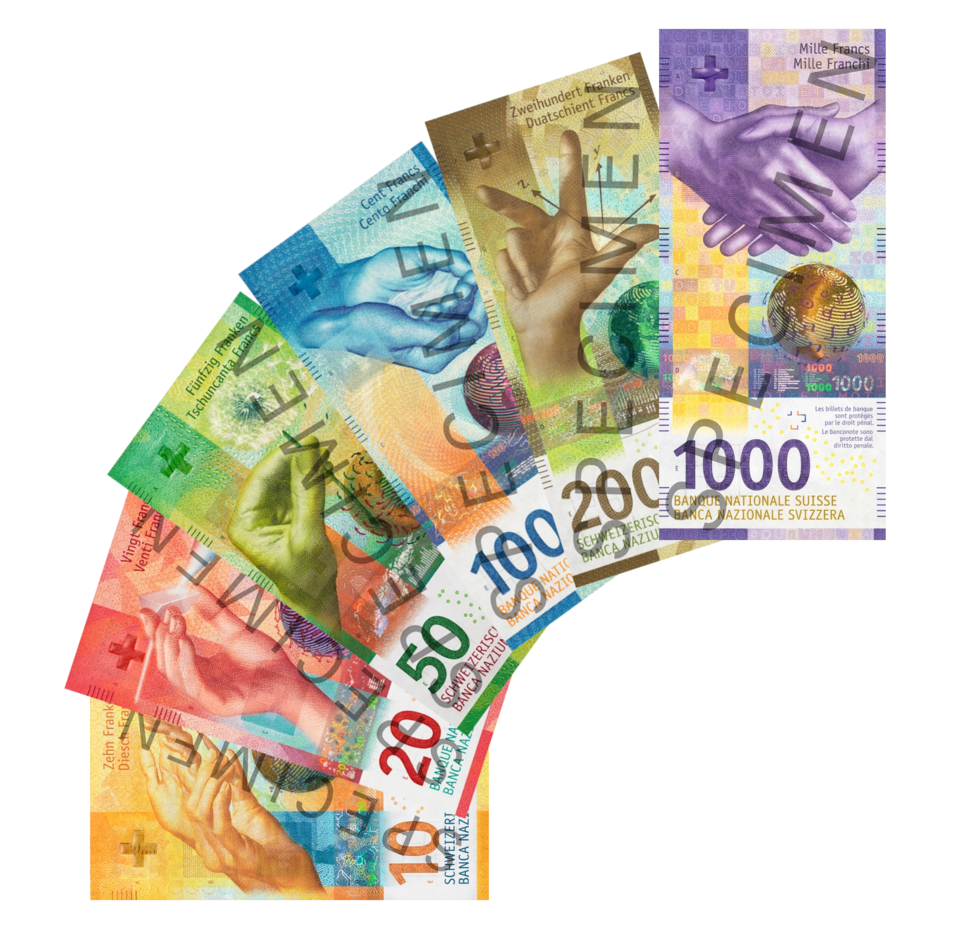
1850 origin
Foundation
The federal Swiss franc replaced cantonal currencies after the 1848 constitution, aligning Switzerland with the French franc system.
Swiss franc · A safe-haven franc backed by a conservative central bank and a large financial centre.
Milestones in order. This is history, not a weekly activity grid.
Darker cells mean a higher score for this topic on that metric.
LessMore
Last reviewed Sources & creditsMedia creditsMethodology
Swiss franc (CHF) is issued or defined under Swiss National Bank. A safe-haven franc backed by a conservative central bank and a large financial centre.
Swiss National Bank sets monetary policy and oversees the unit; physical production involves Swissmint.
No. Tool-Lifes /money is a static educational atlas. It explains regimes, history and design without live tickers.
Global importance comes from trade invoicing, reserve holdings, financial contracts and migrant remittances — measured here as relative scores, not prices.
It ranks how heavily central banks and global finance rely on this unit compared with others in the atlas — an editorial 0–100 score.
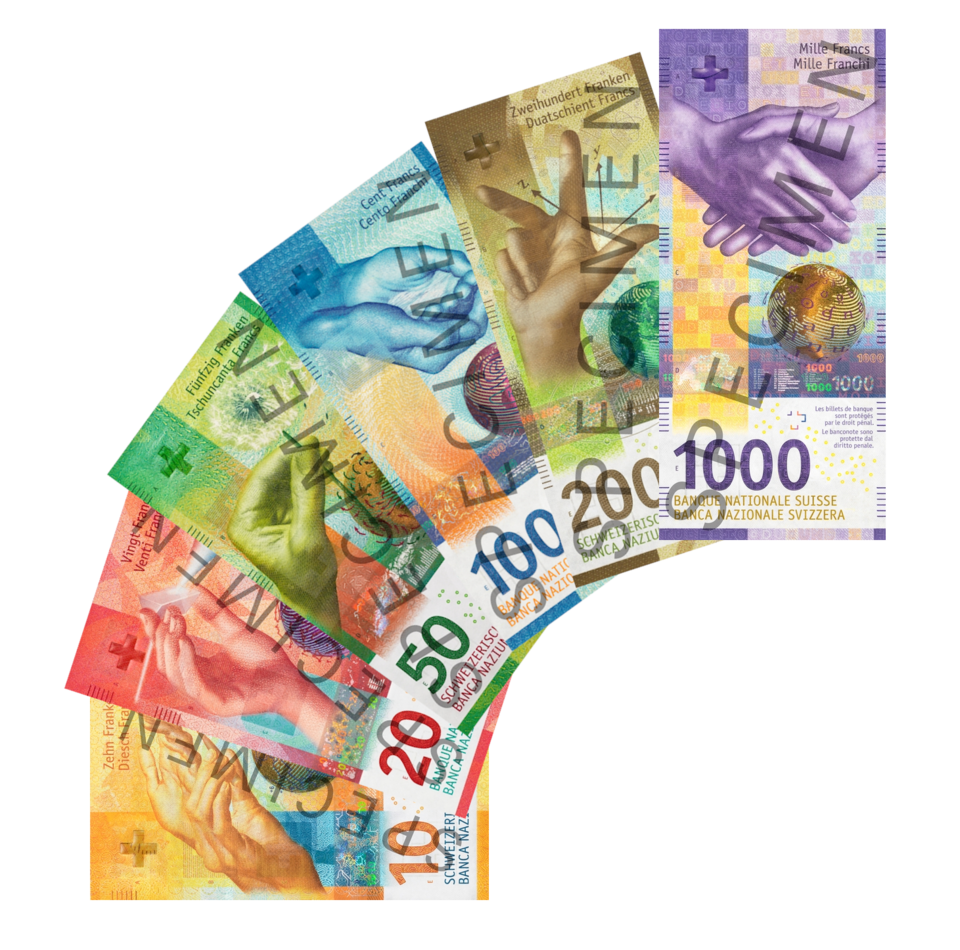
The Design chapter covers major note and coin types; images come from Wikimedia Commons when a free licence is available.
Swiss franc did not appear fully formed. The federal Swiss franc replaced cantonal currencies after the 1848 constitution, aligning Switzerland with the French franc system.
Later reforms — decimalisation, central-bank charters, pegs and floats — matter as much as the founding date for how the unit behaves now.
The federal Swiss franc replaced cantonal currencies after the 1848 constitution, aligning Switzerland with the French franc system.
Cantonal money replaced.
Swiss National Bank begins.
Franc adjusts after gold-bloc strain.
Neutrality and finance deepen franc demand.
Franc floats with other majors.
Euro area surrounds the franc.
SNB caps franc strength vs euro.
Sudden exit shocks markets.
Negative rates defend against inflows.
SNB hikes as prices rise.
The federal Swiss franc replaced cantonal currencies after the 1848 constitution, aligning Switzerland with the French franc system.
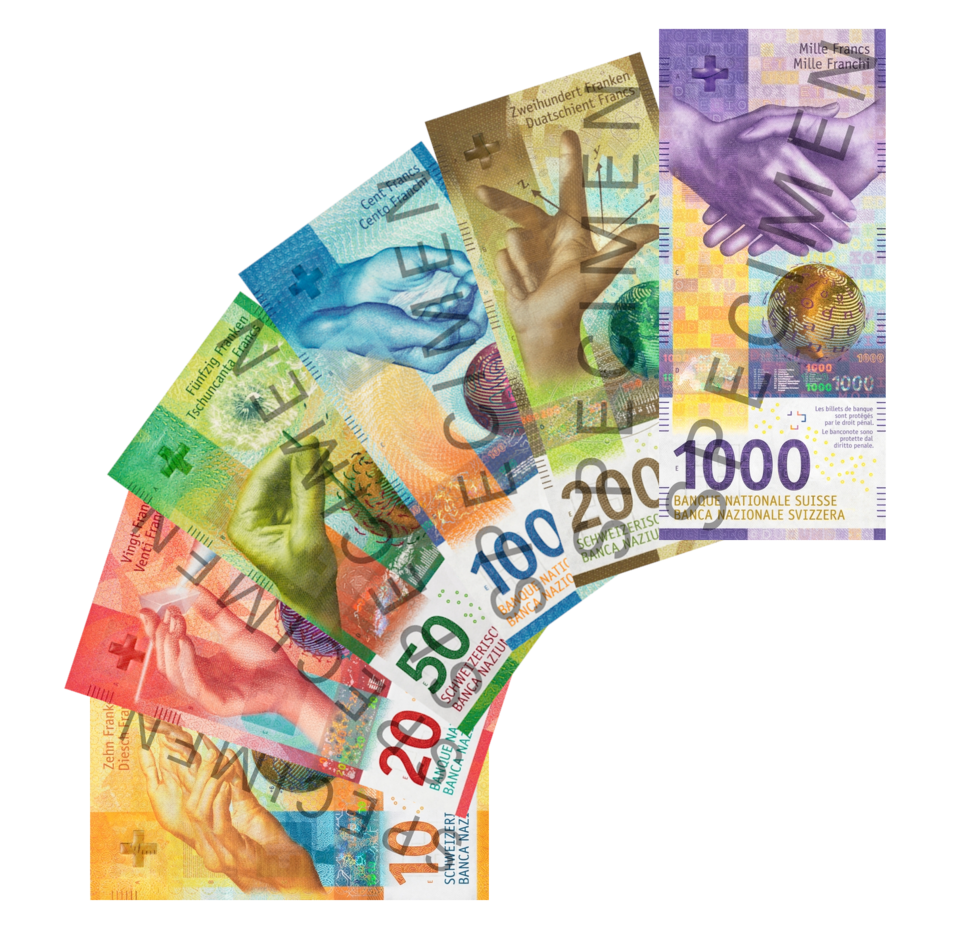
Swiss franc became embedded in trade, tax and daily prices in its core territory.
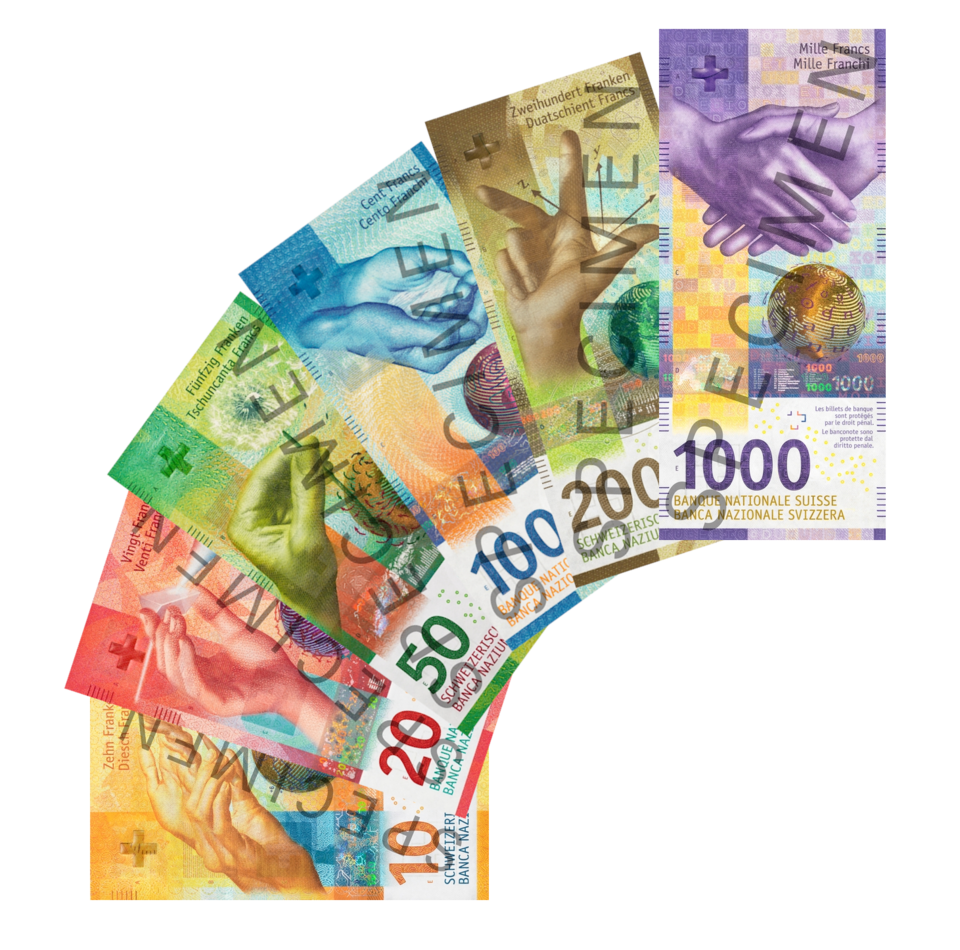
Central banking, note series and FX regimes modernised how the unit worked.
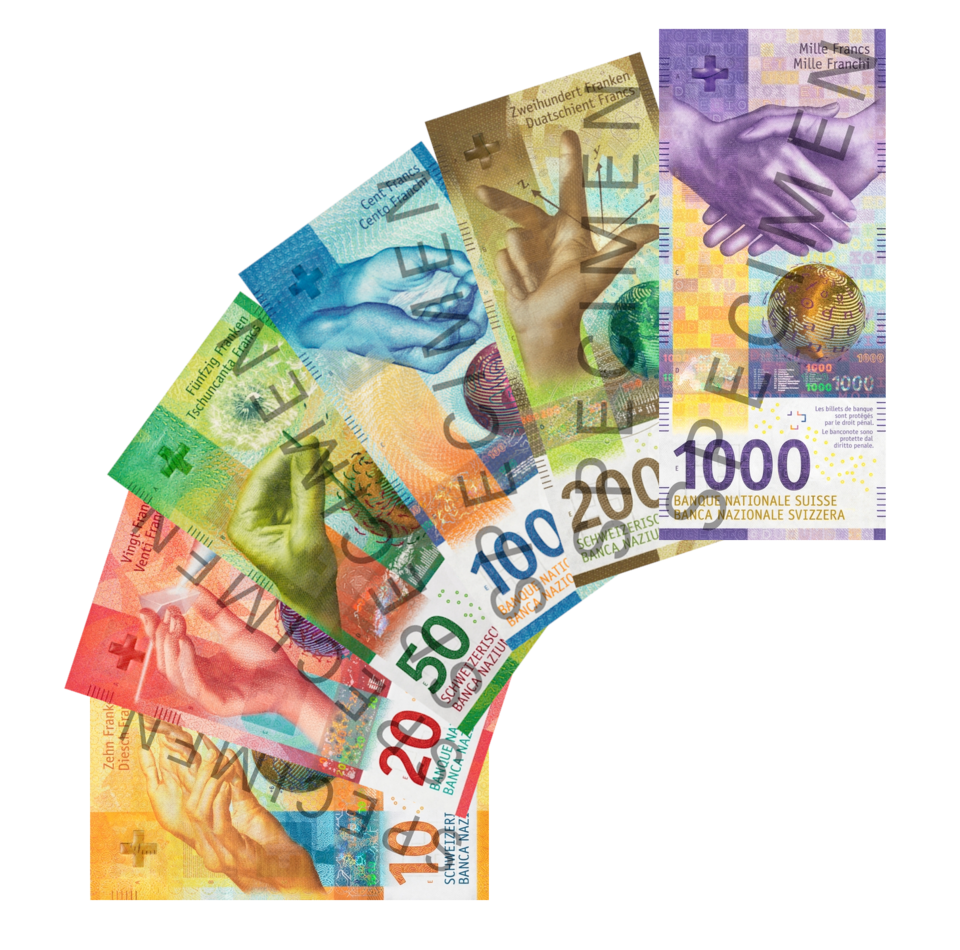
Crises and reforms redefined convertibility, pegs or floats.
Cards, instant payments and CBDC debates reshape how balances move.
Legal creation or major restatement of Swiss franc as a unit of account.
Swiss National Bank (or its predecessor) took primary responsibility for note issue and monetary stability.
Peg, basket or float arrangements were redefined as capital flows and inflation targets evolved.
Understanding Swiss franc starts with its legal birth and the crises that forced redesigns of convertibility and trust.
The world's primary reserve and invoicing currency since Bretton Woods unravelled.
Reserve weight 98 💶 EURThe shared currency of the euro area — second only to the dollar in reserves and FX turnover.
Reserve weight 92 💴 JPYAsia's deep funding currency — low rates, vast government-bond market, and a major reserve holding.
Reserve weight 78 💷 GBPOne of the oldest continuously used currencies — still a top FX and reserve currency.
Reserve weight 70 🇨🇳 CNYChina's currency — rising in trade settlement while capital controls still shape how freely it moves.
Reserve weight 48 🇨🇦 CADA commodity-linked G10 currency with polymer notes and a floating regime since 1970.
Reserve weight 42 🇦🇺 AUDA liquid commodity currency and pioneer of polymer banknotes.
Reserve weight 40