1886 年之前
贵金属
无需廉价电力的电化学隔离使铝成为展示金属。
铝 · 霍尔–埃鲁电解的轻质结构金属:飞机蒙皮、罐体、幕墙。
按时间排列的节点,不是每周活动格。
格子越深,表示该主题在这项指标上越高。
低高
相同的金属。 IUPAC 铝;美国拼写为“aluminum”。规格均使用。
7075的比强度可击败低碳钢;单位体积的刚度仍然输给钢。
散装金属在火中熔化;粉末和一些外墙核心是可燃的。
不,它是一个散热器。箔辐射屏障反射辐射;它们不是大容量 λ 绝缘体。
单一合金族、无磁排序、体积大、重熔能量低。
对于力量来说通常是个坏主意;设计师采用铆接、粘合或使用 2000/5000 可焊接材料来代替。
heat 48 · fire 70
铝并不是作为成品到达的。 Hall-Héroult 1886 遍布美国/法国,至今仍解释着它的制造者以及它经过的测试。
下面的十个过时的点、五个时代和三个里程碑是脊柱——而不是完整的工业史。
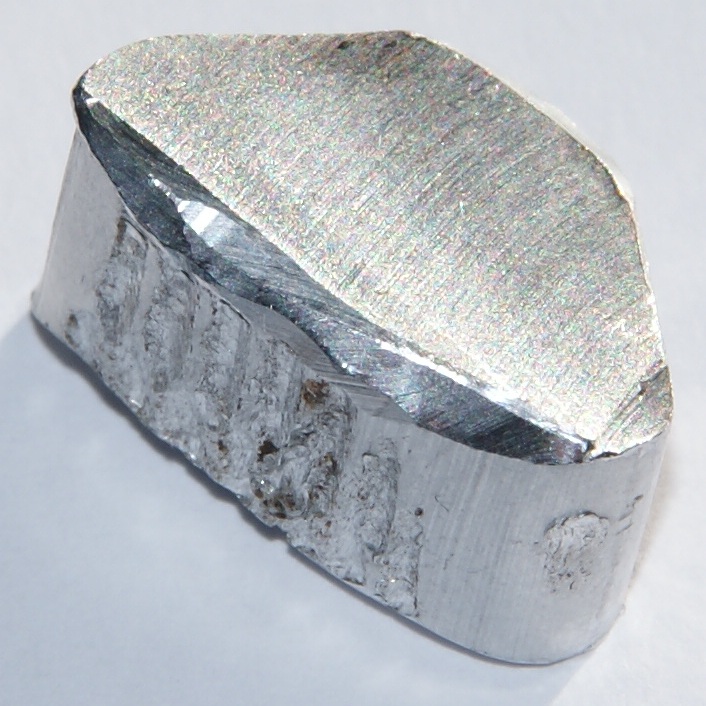
铝的微小样品是科学珍品,在展示文化中比黄金更昂贵。
亨利·圣克莱尔·德维尔 (Henri Sainte-Claire Deville) 使铝成为拿破仑三世餐具传说中的奢华金属。
美国和法国获得了冰晶石中电解氧化铝的独立专利——仍然是核心电池化学成分。
卡尔·拜耳将铝土矿消化成纯氧化铝,为细胞提供营养。
时效硬化铝铜合金使机身采用铝材,而不仅仅是木材和织物。
硬铝蒙皮和翼梁定义了两次世界大战和二战期间的机身。
库尔斯和后来的两片式 DWI 罐创建了闭环废料流。
铝镁硅型材成为建筑默认的幕墙金属。
奥迪 Space Frame 和其他公司证明铝制车身的成本高昂。
一些地区的旧饮料罐循环再生含量超过 70%。
无需廉价电力的电化学隔离使铝成为展示金属。
Hall-Héroult 加上硬铝将铝用于飞机和电线。
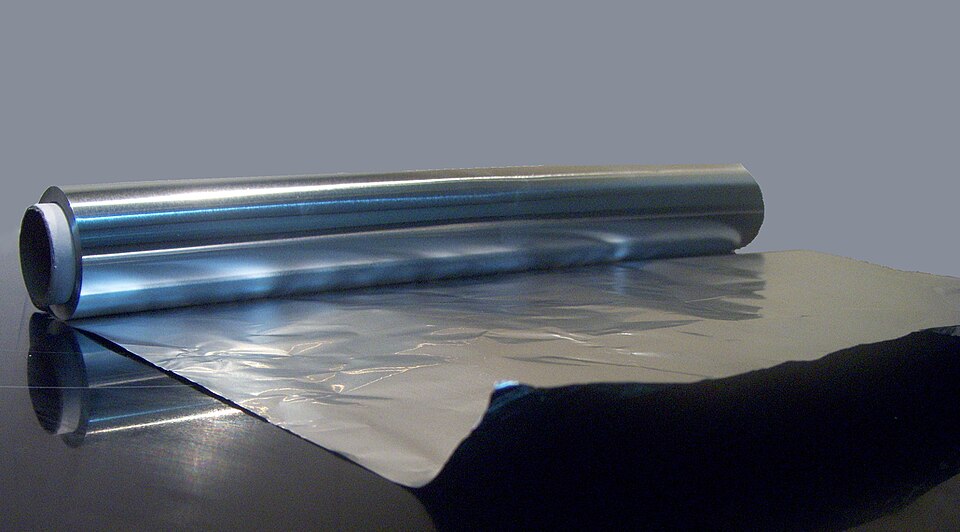
罐子、铝箔和早期罐头;水力发电冶炼厂集中在廉价电力上。
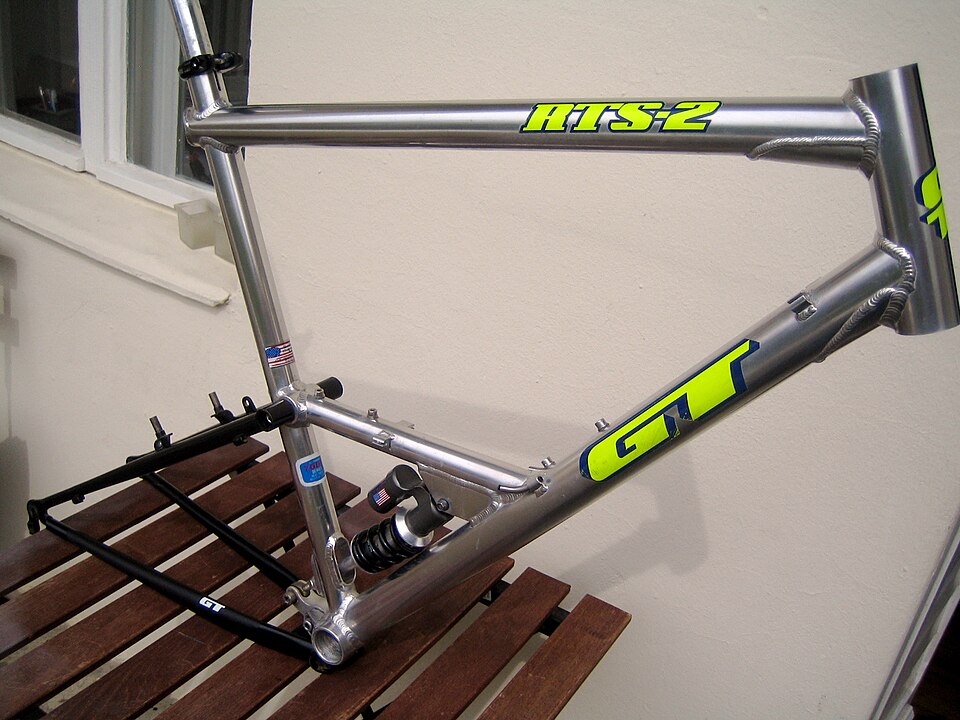
6000 系列型材改造了外墙和窗墙。

电动汽车电池外壳和高废料罐片在可持续发展方面占据主导地位。
电解使铝成为工业金属。
沉淀硬化解锁了飞机结构。
饮料罐成为教科书式的闭环铝制品。
了解这个时间表就是如何阅读工厂证书而不将铝视为永恒的。