Elija la lectura de reacción al fuego o la de aislamiento ya puntuada en este material. Marcas didácticas — no una especificación.
Solo puntuaciones del atlas y hechos de esta página. Un ensayo de producto, el espesor y el conjunto deciden cualquier muro o prenda real. Sin sello de laboratorio.
Vidrio es uno de 32 materiales de este atlas, en Cerámica y madera: historia, estructura, propiedades, proceso, usos, seguridad y mercado — no un catálogo.
Las notas comparan Vidrio con el resto en resistencia, calor, fuego, aislamiento, trabajabilidad y circularidad. Son editoriales, no certificados.
Siguen siete capítulos. Las afirmaciones de fuego y aislamiento nombran familias de ensayo (Euroclass, ASTM E84, ISO 5660, KS F), no un número único de seguridad.
Introducción profunda
Lectura profunda: Vidrio
El vidrio (SiO2–Na2O–CaO (cal sodada típica)) es una familia de grados cuya densidad es de ~2,5 g/cm³, la banda térmica se ablanda entre ~500 y 700 °C y la letra de fuego A1.
Qué es realmente el material
El vidrio se vende en calidades, no como una sola sustancia. Química SiO2–Na2O–CaO (cal sodada típica), densidad ~2,5 g/cm³, la banda térmica se ablanda ~500–700 °C.
Este atlas trata el vidrio como un sistema: ruta de laminación, recubrimientos, pruebas y la cavidad en la que se asienta.
Calor, fuego y aislamiento
Nota de conductividad: ~1 W/m·K. La puntuación de aislamiento 28/100 es relativa a 32 entradas: los metales pierden, los VIP y los aerogeles ganan.
Carta de fuego en uso editorial: A1. No equipare A1 con “seguro en caso de incendio” o E con “ilegal”. Las asambleas deciden.
Cómo se hace y se usa
Origen: Mesopotamia / Egipto; carroza 1959, Cercano Oriente → St Helens. El capítulo del proceso sigue materia prima → conversión → formado → acabado → instalación.
Utiliza edificios de tramo para defensa/seguridad. Los maridajes importan: técnico-cerámica.
Mercado y circularidad
Los productores a continuación son puntos de referencia, no una clasificación de respaldo. Los precios son bandas, no cotizaciones en vivo.
Marca de circularidad 70/100. Pregunte qué chatarra, qué certificado, qué año.
Atlas relacionado
Alrededor de Vidrio
Entradas relacionadas, un glosario breve y tres hilos que mantienen honesto a Vidrio.
EN, ASTM, ISO, KS y JIS no se traducen uno a uno. Una guata Euroclase A1 no es un informe ASTM E84.
Nombra el año de la norma en los dibujos. Los métodos retirados siguen apareciendo en especificaciones antiguas.
Trabajo y artesanía
Soldadores, hiladores, yeseros, recubridores y albañiles forman parte de las propiedades reales del material.
El DFT, los medidores de humedad y la compresión de bloques son herramientas de calidad, no burocracia.
Energía y residuos
El vidrio primario transporta energía de proceso que el reciclaje o las rutas biológicas sólo a veces superan.
Restos, barro rojo, escoria, polvo y agentes espumantes usados son el poco glamoroso balance de masas.
Perfil
Resistencia50
Resistencia al calor58
Prestación al fuego88
Aislamiento28
Trabajabilidad55
Circularidad70
Rol de fuego o rol de aislamiento
Elija la lectura de reacción al fuego o la de aislamiento ya puntuada en este material. Marcas didácticas — no una especificación.
Solo puntuaciones del atlas y hechos de esta página. Un ensayo de producto, el espesor y el conjunto deciden cualquier muro o prenda real. Sin sello de laboratorio.
Recorrido en Vidrio: fuego 88, aislamiento 28 y un dato publicado — no sello normativo.
Leer la marca de fuego — Fuego 88/100 — comparación didáctica del atlas.
Leer la marca de aislamiento — Aislamiento 28/100 — flujo de calor.
Un hecho publicado al lado — Dato rápido: Red: SiO2.
Sostenibilidad no omite fuego — Alta sostenibilidad no sustituye protección contra fuego real.
No es calificación de código — Ensayos nombrados y espesores deciden cumplimiento.
En Vidrio, fuego 88 y aislamiento 28 son trabajos distintos; Red: SiO2 ancla un detalle.
Marcas editoriales. No certificado de código.
Marca termica o hecho de seguridad primero?
Segunda decision de laboratorio en Vidrio: resistencia al calor 58 junto al hecho termico publicado Conductividad — alfabetizacion, no sello normativo.
Leer la marca de resistencia al calor — Resistencia al calor 58/100 — historia termica distinta del par fuego/aislamiento.
Un hecho termico al lado — El capitulo propiedades lista Conductividad.
Calor no omite fuego — Una marca termica alta no sustituye ensayos de fuego nombrados.
No es calificacion de codigo — Espesor y ensayos nombrados deciden cumplimiento.
En Vidrio, calor 58 y Conductividad son la segunda lectura termica/seguridad tras fuego vs aislamiento.
Marcas editoriales. No certificado de codigo.
Qué línea de calor conservar
Una decisión con marcas impresas. No es un permiso de obra.
Preguntas frecuentes
¿El vidrio es incombustible?
Clase de reacción declarada en este atlas: A1. Los ensamblajes aún necesitan pruebas de resistencia.
¿El vidrio aísla?
Marca térmica 28/100 frente al atlas. Nota de conductividad: ~1 W/m·K.
¿Qué es la banda de densidad?
~2,5 g/cm³
¿Cómo se hace?
Historia de origen: Mesopotamia / Egipto; carroza 1959 (Cercano Oriente → St Helens).
¿Se puede reciclar?
Marca de circularidad 70/100: editorial, específica de la ruta.
¿Calor típico de fusión o falla?
suaviza ~500–700 °C
¿Con qué debería combinarse?
técnica-cerámica: Primos cristalinos que no fluyen como el vidrio.
¿Dónde se especifica?
Edificios, transporte, energía y bienes de consumo: consulte el capítulo de usos.
¿La puntuación de fuego es una clasificación de código de edificación?
No. Es una marca editorial 0–100 de enseñanza entre materiales de este atlas. Un muro o una prenda reales necesitan ensayo de producto nombrado, espesor y ensamblaje. Esta página no es un sello de laboratorio.
¿Cuándo debo leer aislamiento en vez de fuego?
Use aislamiento cuando la pregunta es flujo de calor — forro, desván o puente frío — y fuego cuando la pregunta es cómo se comporta el mismo material en llama. Ambos números ya están en este hub; responden a trabajos distintos.
¿Una alta sostenibilidad permite saltarse la protección contra fuego?
No. La sostenibilidad aquí es una marca relativa del atlas (crecimiento, reúso, historia embebida). El bambú y la madera aún pueden carbonizarse como leña. La protección contra fuego sigue siendo una especificación aparte.
¿Por qué falta el bambú en algunos idiomas?
Una URL de idioma se publica solo cuando los siete capítulos son prosa real en esa lengua. El bambú existe en inglés, coreano, japonés, chino y español. Francés, alemán, portugués y ruso se retienen: borradores automáticos anteriores filtraron inglés, así que esas URLs no se abren.
Iconos
flotador pilkington
Reino Unido · 1959
La carroza de Pilkington es un punto de referencia en la imagen pública de Glass.
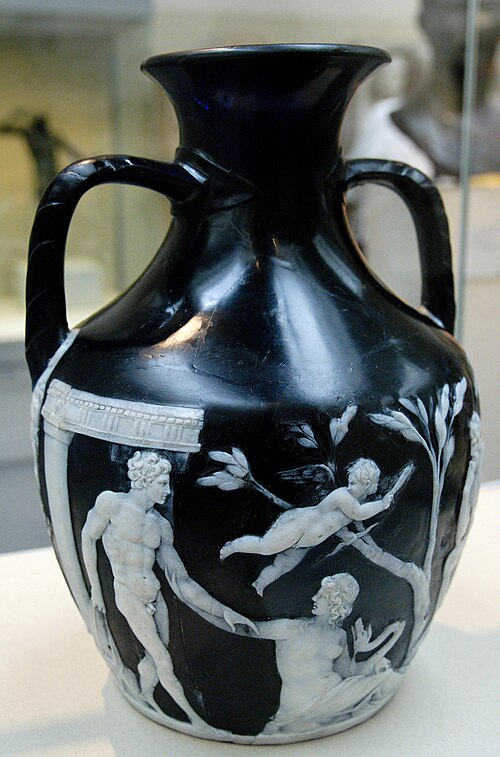
Jarrón Portland
Italia · romano
Portland Vase es un referente en la imagen pública de Glass.
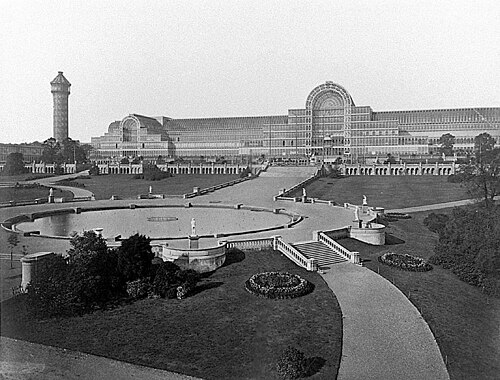
Palacio de Cristal
Reino Unido · 1851
Crystal Palace es un punto de referencia en la imagen pública de Glass.
maquina owens
Estados Unidos · 1903
La máquina de Owens es un punto de referencia en la imagen pública de Glass.
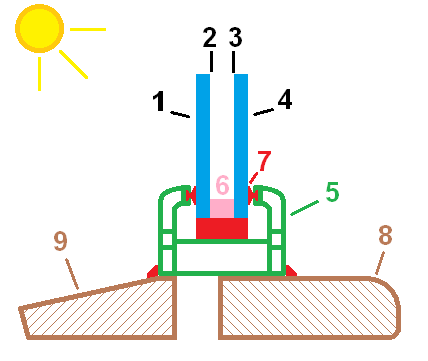
IGU de baja emisividad
Global · Década de 1980–
Low-e IGU es un punto de referencia en la imagen pública de Glass.
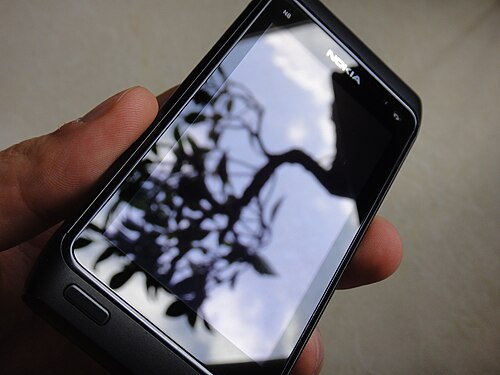
Vidrio de gorila
Estados Unidos · 2007–
Gorilla Glass es un referente en la imagen pública de Glass.
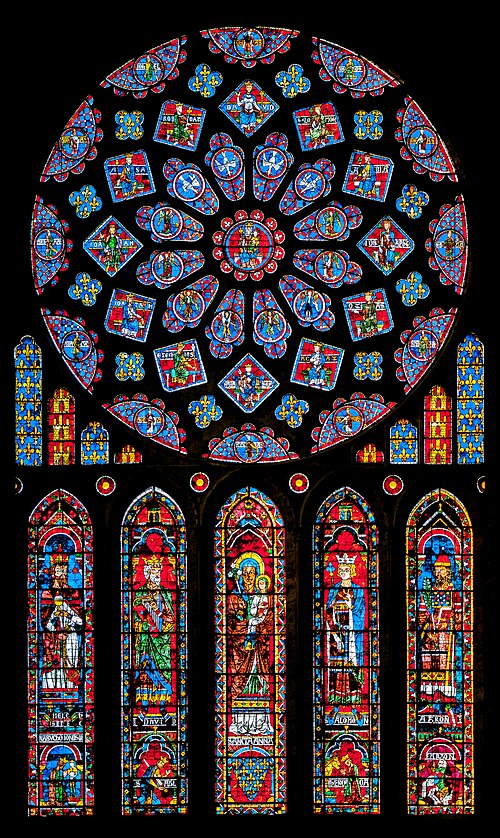
catedral manchada
Europa · medieval
La catedral manchada es un punto de referencia en la imagen pública de Glass.
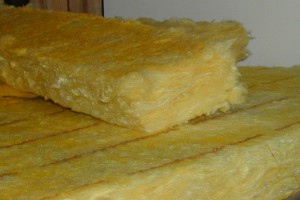
Primo de lana de vidrio
EE. UU. / DE · Década de 1930–
La prima de la lana de vidrio es un referente en la imagen pública de Glass.
Activa o desactiva iconos: cada barra se reescala al líder de tu selección.