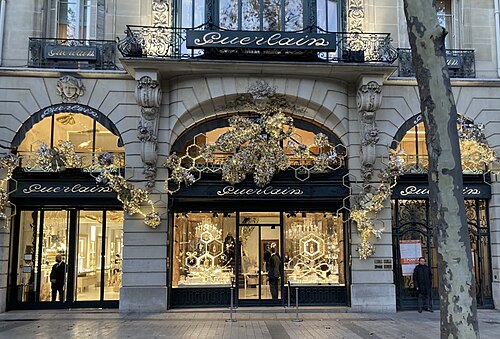
Samsara
1989– · France
Jean-Paul Guerlain’s jasmine-sandal temple.
Samsara (1989–, France) is still the story a counter tells when this family needs a name.
Read Samsara as dose and geometry, not a mood board — that is how Sandalwood is argued.
Eight bottles and noses that still define Sandalwood.
Darker cells mean a higher score for this topic on that metric.
LessMore
Last reviewed Sources & creditsMedia creditsMethodology
Creamy santal — milk and temple wood, now mostly farmed. Wild Mysore is a story, not a supply chain.
Concentration is oil in alcohol, not a quality score. EDT (about 5–15%) shows more top; EDP (about 15–20%) shows more heart and base. Houses vary; this is not a lab assay.
One or two sprays on skin or cloth — sternum or hair, not a cloud in a lift. Let it turn an hour before you add more.
Cool to cold, close to skin. Heat turns creamy wood into sun lotion.
Yes. Warm, moist skin amplifies sweet and spice; dry or cool skin can turn the same juice woody, soapy or short. Test on your skin, not only a blotter.
IFRA sets industry limits on some naturals and synthetics. A reformulation is usually a legal edit, not a betrayal. This atlas is not a safety sheet.
Icons for Sandalwood are bottles and people — Nahéma, Chanel, Guerlain stay as names.
Scores below are editorial marks inside this atlas, not lab assays.
1989– · France
Jean-Paul Guerlain’s jasmine-sandal temple.
Samsara (1989–, France) is still the story a counter tells when this family needs a name.
Read Samsara as dose and geometry, not a mood board — that is how Sandalwood is argued.
1926– · France
Aldehydic sandal couture.
Bois des Îles (1926–, France) is still the story a counter tells when this family needs a name.
Read Bois des Îles as dose and geometry, not a mood board — that is how Sandalwood is argued.
2011– · United States
Pickle-cedar-sandal; a 2010s city uniform.
Santal 33 (2011–, United States) is still the story a counter tells when this family needs a name.
Read Santal 33 as dose and geometry, not a mood board — that is how Sandalwood is argued.
2003– · France
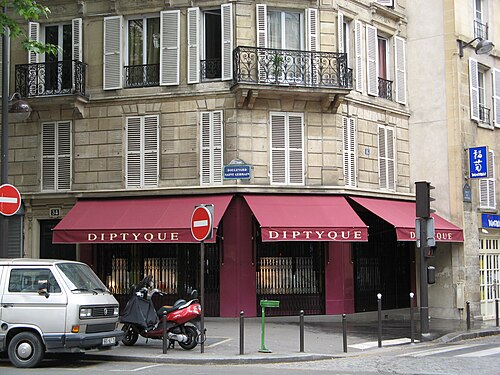
Temple sandal-cedar as a quiet European memory.
Tam Dao (2003–, France) is still the story a counter tells when this family needs a name.
Read Tam Dao as dose and geometry, not a mood board — that is how Sandalwood is argued.
c. 1600s– · India
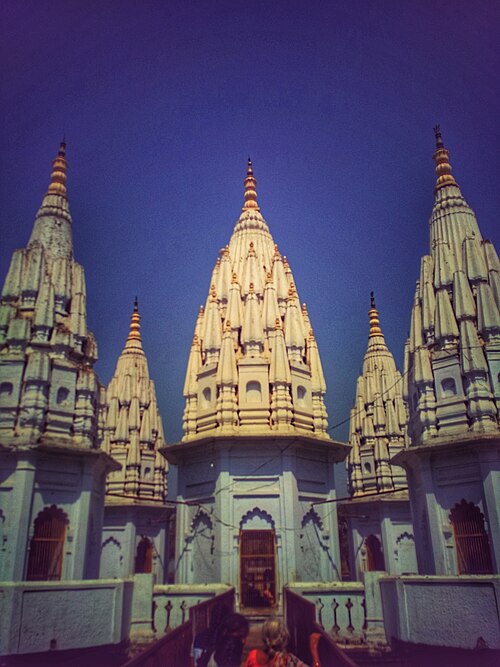
Sandal as the receiver oil for rose and mogra.
Kannauj attar (c. 1600s–, India) is still the story a counter tells when this family needs a name.
Read Kannauj attar as dose and geometry, not a mood board — that is how Sandalwood is argued.
1937– · France
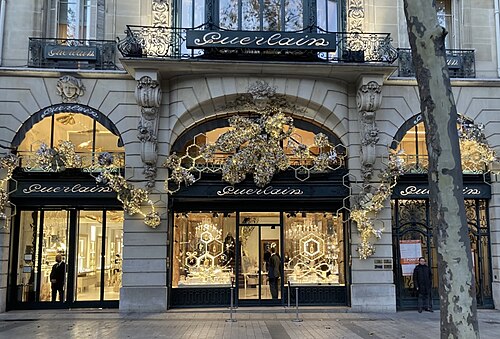
Samsara’s author; last family nose of that sandal scale.
Jean-Paul Guerlain (1937–, France) is still the story a counter tells when this family needs a name.
Read Jean-Paul Guerlain as dose and geometry, not a mood board — that is how Sandalwood is argued.
2000s– · Switzerland
The molecule that replaced vanished album in briefs.
Javanol (2000s–, Switzerland) is still the story a counter tells when this family needs a name.
Read Javanol as dose and geometry, not a mood board — that is how Sandalwood is argued.
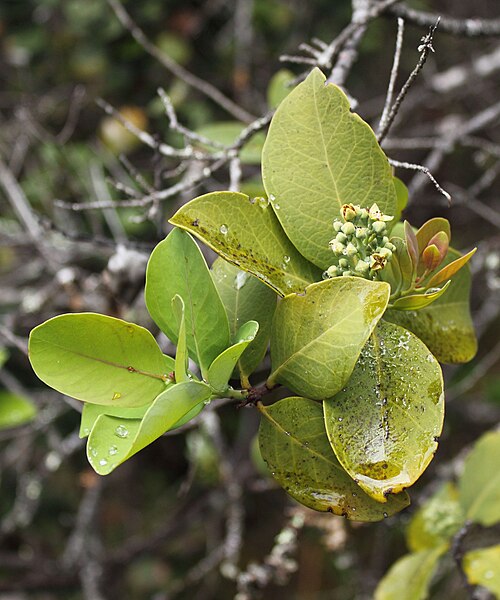
— · India
The species behind chandan, attar and the CITES story.
Santalum album (—, India) is still the story a counter tells when this family needs a name.
Read Santalum album as dose and geometry, not a mood board — that is how Sandalwood is argued.
An icon is a brief that other Sandalwood formulas still answer.
Origins & milestonesNotes & accordsCraft & methodCulture & meaningIcons & legendsHow to wearMarket & bottles