Start with the order tool
Pick where you eat and the heat band. The instruction changes; the icon plate, pantry bass and starch stay the ones published for Japanese cuisine.
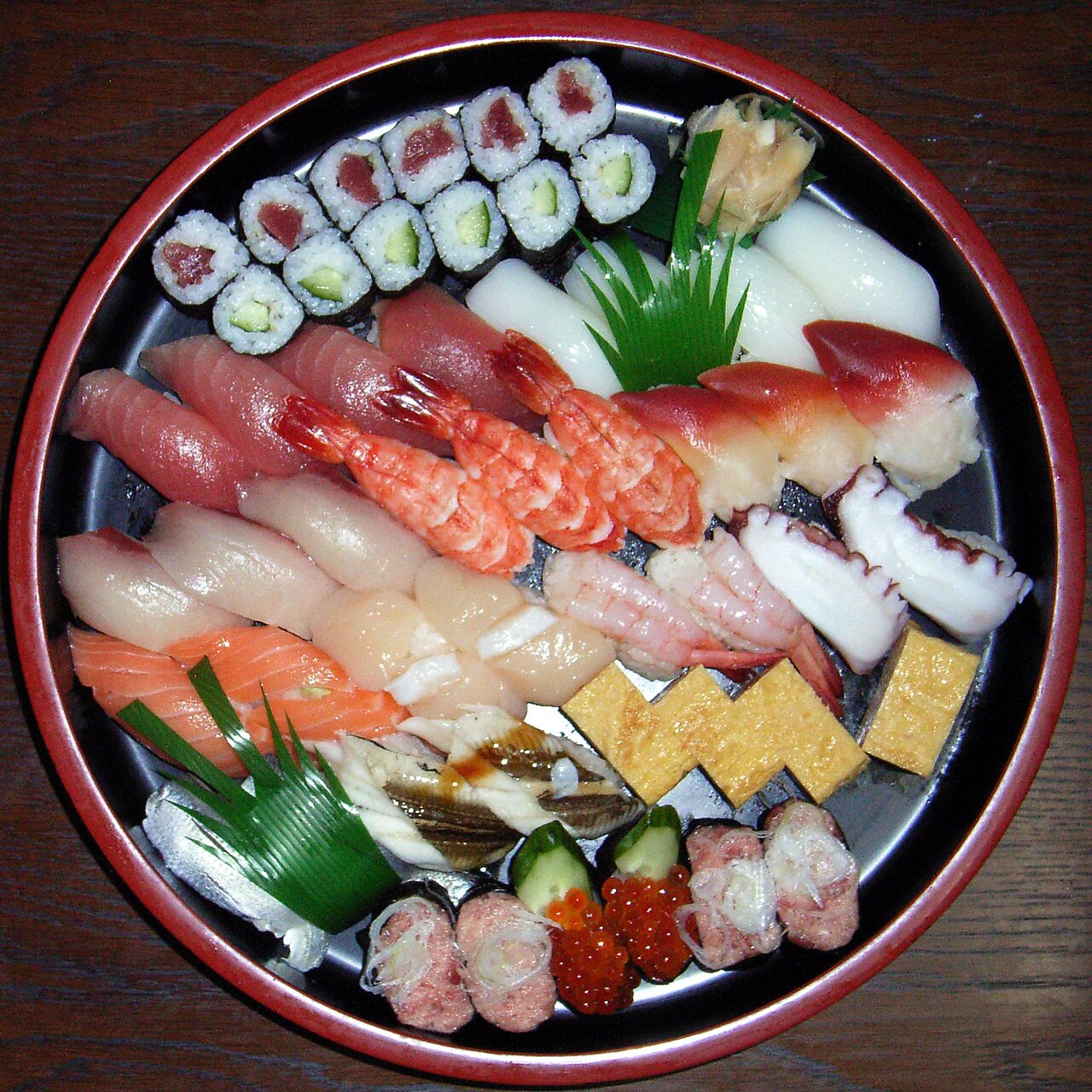
[de] Washoku frames dashi, rice and seasonal restraint from sushi counters to home miso. Use the Decide what to order tool on this lookup: pick room and heat, then take the plate line for this cuisine file. Atlas spice is a teaching mark (often low chili, wasabi or sansho beside the dish) — not a live menu price or reservation.
[de] Open Japanese cuisine, run Decide what to order, then read the street chapter for queue-point-pay tempo. Scores compare cuisines in this atlas; they do not rank tonight’s stall safety.
Wählen Sie den Ort und die Schärfe. Die Anweisung ändert sich; Gericht, Vorrat und die Atlas-Schärfezahl bleiben die dieser Küche.
Lehrwerte des Atlas, keine Reservierung und kein Lebensmittelsicherheits-Nachweis.
Pick where you eat and the heat band. The instruction changes; the icon plate, pantry bass and starch stay the ones published for Japanese cuisine.
Japanese pages often sit low on chili heat; wasabi or sansho sits beside the plate. Asking milder or hotter changes the spoken line, not the pantry identity.
Toyosu / old Tsukiji-style literacy still teaches queue, point, share, pay. The street chapter lists on-file steps — not a single shop SOP.
This is atlas literacy. It is not a reservation, a payment rail, or a food-safety certificate for any stall.
Teaching marks from the atlas — not a reservation or a food-safety certificate.
Open Japanese cuisine · Cuisine quiz
🔎 Argentinische Küche: „Lokaler Name“ lesen, bevor du entscheidest · 🛑 Argentinische Küche: was „Kennzahl“ nicht entscheidet · 🛠 Brasilianische Küche: „Stärke“ im Werkzeug nutzen · 🛑 DE: Chinese cuisine: heat band and what to order first · 📍 Ägyptische Küche: die lokale Tatsache in „Kennzahl“ · 🛑 Äthiopische Küche: was „Stadt“ nicht entscheidet · Leseprüfungen