指标浓度 格子越深,表示该主题在这项指标上越高。
54
73
55
21
67
67
低 高
分数画像 每根柱是该主题的0-100图鉴分,不是时间轴。
速度 54
智力 73
分布 55
韧性 21
文化影响 67
生态角色 67
年表 按时间排列的节点,不是每周活动格。
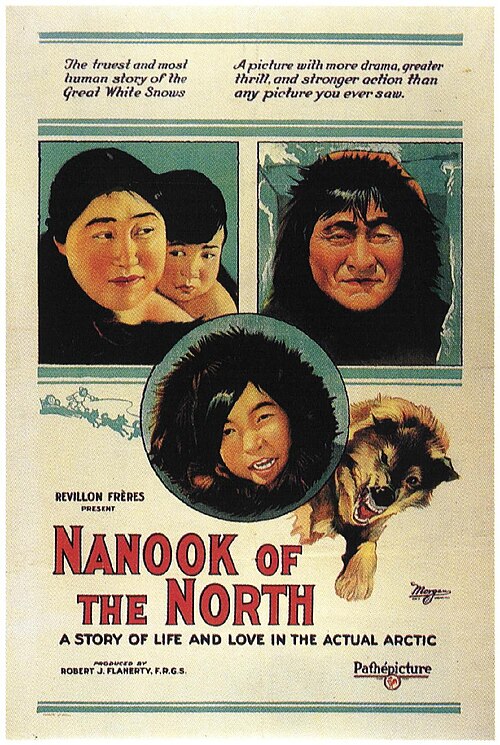
1922 北方的纳努克 1973 北极熊保护协议 1980s 丘吉尔旅游规模 2006 克努特出生 2008 美国ESA上市 2011 克努特模具 2015 巴黎协定年数 2017 PBSG 状态表更新 2019 丘吉尔晚冰年 2022 美国地质勘探局冰预测 1922 北方的纳努克 1973 北极熊保护协议 1980s 丘吉尔旅游规模 2006 克努特出生 2008 美国ESA上市 2011 克努特模具 2015 巴黎协定年数 2017 PBSG 状态表更新 2019 丘吉尔晚冰年 2022 美国地质勘探局冰预测 浏览 鹰 鹰 猫头鹰 猫头鹰 企鹅 企鹅 蜂鸟 蜂鸟 火烈鸟 火烈鸟 鹦鹉 鹦鹉 信天翁 信天翁 鹤 鹤 大白鲨 大白鲨 鲑鱼 鲑鱼 蓝鳍金枪鱼 蓝鳍金枪鱼 小丑鱼 小丑鱼 海马 海马 锦鲤 锦鲤 河豚 河豚 电鳗 电鳗 比较 约11分钟
如果只读一点
海冰上的海洋熊 — 追随海豹与气候包络。
要点
北极熊是本图谱二十四种之一。不是商品目录,而是把演化、解剖、行为、文化、象征、保护与分布写成一套体系。 分数是速度、智力、分布、韧性、文化影响与生态角色的相对评价,不是实验室排名。 七章分别写起源与演化、身体与感官、生活与行为、文化、传说象征、保护压力,以及与人重叠的分布。
跳转到章节
上一篇
大熊猫
下一篇
大猩猩
本语区制度
濒危与CITES 本地法规与附录用语。
国家公园 公园/保护区进入与采集规则。
IUCN红色名录 等级用于浏览,不是野外鉴定。 本地例子 用东亚候鸟/沿岸鱼作保护章例子。 学名旁的 IUCN 等级只供浏览。 本地常见问题 这是野外图鉴吗? 不是——教育图集。鉴定请用本地检索表。
红色名录就能饲养吗? 不能。请查本国法规与CITES。
本地术语
学名 各语言保留拉丁双名。
分布 常见分布范围。
顶级捕食 食物网顶端角色——相对分。 本语区制度
濒危与CITES 本地法规与附录用语。
国家公园 公园/保护区进入与采集规则。
IUCN红色名录 等级用于浏览,不是野外鉴定。 本地例子 用东亚候鸟/沿岸鱼作保护章例子。 学名旁的 IUCN 等级只供浏览。 本地常见问题 这是野外图鉴吗? 不是——教育图集。鉴定请用本地检索表。
红色名录就能饲养吗? 不能。请查本国法规与CITES。
来源 IUCN红色名录(带日期评估) CITES附录 国家红外相机计划 Wikimedia Commons代表图(CC/PD)
误区与事实 速度量表最高=“最强”动物 → 量表是维度而非奖杯;生态角色与恢复力往往更重要。 图鉴“保护”标签可替代地方法 → 行动前务必核对 CITES 附录与国内法。 文化章节只是冷知识 → 形象推动资金、迫害与旅游——属于保护叙事。 深度常见问题 这是野外图鉴吗? 不是。这是供浏览比较的生态·文化·保护百科图鉴。
评分等于 IUCN 红色名录等级吗? 不是。评分为站内编辑比较量表;威胁等级请在 IUCN 核实。
可以用于学校报告吗? 可作为概览起点;关键主张请引用一手来源。
为何把文化与解剖放一起? 人类故事影响狩猎、保护与神话——图鉴让这些线索可见。
清单
1 打开章节前写下问题。
2 交叉阅读解剖、文化与市场。
3 保护地位在一手来源核实。
4 勿把量表当作绝对排名。 深度来源 IUCN 红色名录物种评估 CITES 附录与国内管理机构 媒体页上的 Commons 图像署名 相关搜索 野生动物图鉴 IUCN 物种 CITES 动物
打印本页
关键分数 速度 54 智力 73 分布 55 韧性 21 文化影响 67 生态角色 67 鹰 猫头鹰 企鹅 蜂鸟 解剖对照行为钉住 从本种页已有的解剖系统和运作事实各选一条。阅读配对,不是胜负板。
本图集内的浏览辅助。真实相遇由野外生物学与当地法律决定。无实时源。
本页的解剖事实 Support and integument Feeding apparatus Respiration and circulation Senses and neural control Reproduction and ontogeny Thermoregulation and salt/water
本页的行为事实 Energy in, work out Information before motion Replacement rate Place is part of the phenotype Human systems are now habitat
仅存本机。改一钉即可再打开同一对。
恢复上一对 忘记配对
不是野外指南 勿用本页接近野生动物。当地法律与距离规则优先。
野外术语
IUCN 全球红色名录等级——取决于日期与方法。
双名法 属名+种名的拉丁名,跨语言保持一致。
顶级捕食者 食物网顶端角色——语境很重要。
分布区 地理范围,不是护照印章。 如何使用本图鉴 选择类群 — 鸟类、鱼类或野生动物——从问题所在开始。打开物种页 — 评分与本地视角在七个章节之上。跳转章节 — 解剖、文化、市场与未来各自独立。继续对比 — 离开前用相关卡片或对比专栏。实用工具 比较物种
如何使用本页 选择类群 — 鸟类、鱼类或野生动物——从问题所在开始。 打开物种页 — 评分与本地视角在七个章节之上。 跳转章节 — 解剖、文化、市场与未来各自独立。 说明 保护等级仅为导读——请核对 IUCN/机构原文。
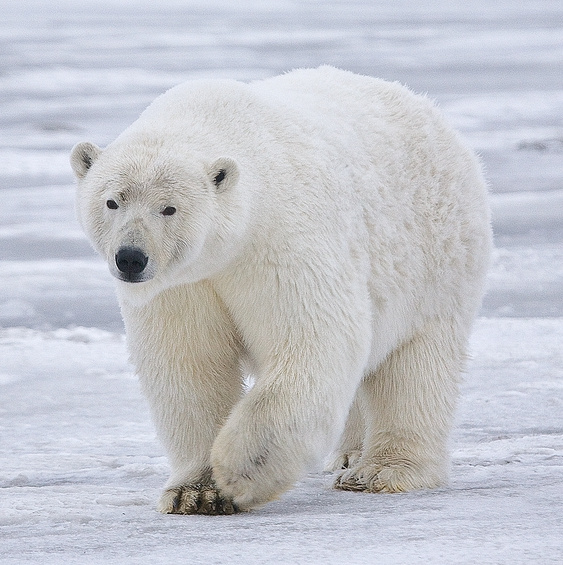
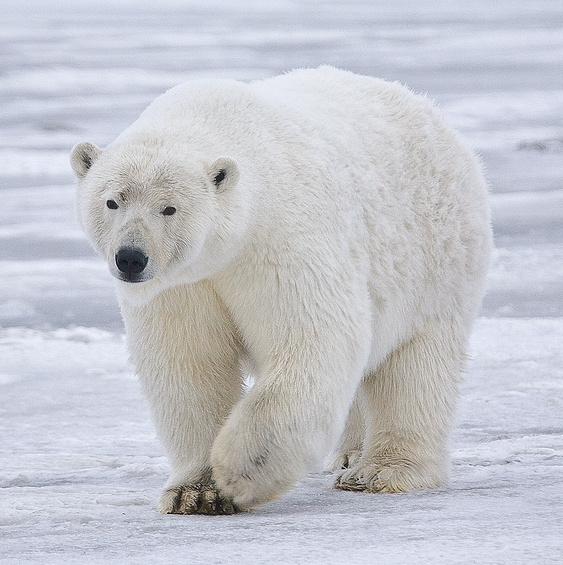
速览 Ursus maritimus 种
易危 IUCN
Ringed / bearded seal 猎物
US 2008 ESA
Churchill, MB 旅游
野生动物 类群
北极熊是本图谱二十四种之一。不是商品目录,而是把演化、解剖、行为、文化、象征、保护与分布写成一套体系。
分数是速度、智力、分布、韧性、文化影响与生态角色的相对评价,不是实验室排名。
七章分别写起源与演化、身体与感官、生活与行为、文化、传说象征、保护压力,以及与人重叠的分布。
要点 北极熊是本图谱二十四种之一。不是商品目录,而是把演化、解剖、行为、文化、象征、保护与分布写成一套体系。 七章分别写起源与演化、身体与感官、生活与行为、文化、传说象征、保护压力,以及与人重叠的分布。
深度导读
深读:北极熊
北极熊不是一张明信片动物。种群、亚种与人的规则,叠在本图谱的野生动物类群里。
多样性、身体、文化与分布 — 加上针对本语言区的视角。
类型内部的多样性 野外手册把许多谱系收进「北极熊」一个词。亚种、迁飞路线与圈养品系并不共享同一命运。
本图谱用维基百科标题选取主图,并保留其余等级,以免恢复中的种群掩盖极危的近亲。
风景中的生活 一种长头骨的熊科动物,有着巨大的前爪,中空护毛下的黑色皮肤,以及为海豹脂肪建造的肠道。它是一种海洋哺乳动物,是一种熊类。
仍然狩猎海豹洞并闯入出生巢穴。为冰年买单的是脂肪,而不是瘦肉。陆上夏季对许多股票来说都是短缺的。
文化与意义 电影、法律、纹章、动物园与民间故事遇见了北极熊。那些刻画会带动金钱,却不是野外普查。
文化章写下海报与法令的年份。1975 年的电影或 1961 年的标志,不能假装成 2020 年代的红色名录。
保护和金钱 易受伤害的。 2008 年美国欧空局将海冰消失视为主要威胁——这是一个气候工具,而不仅仅是一个狩猎故事。
旅游业、冲突支付、配额和自保贷款都是市场章节中过时的经济指标——而不是实时价格,也不是最佳物种奖品。
虎、熊猫与药典记忆
华南虎在野外已被认为功能性消失;东北虎的恢复故事写在中俄边境。本图谱不把传说个体数当成普查。
大熊猫的竹食特化与保护区网络,是中国山地保护的教材,不是所有熊科的模板。
传统医药文本会提到骨、胆、甲。这里只作为文化事实记录,不是用药建议,也不是功效声明。
生命科学深潜
生物学深读:北极熊
北极熊的生物学是结构、能量、感官与限度的叠层。下面四章与全图谱同一标题,所以不必争最好也能比较。
解剖、感官、行为与限度 — 加上本地区的田野用语。
结构 一种长头骨的熊科动物,有着巨大的前爪,中空护毛下的黑色皮肤,以及为海豹脂肪建造的肠道。它是一种海洋哺乳动物,是一种熊类。
加载路径和组织(不是金属)在解剖学章节中进行了扩展。
能源和觅食 仍然狩猎海豹洞并闯入出生巢穴。为冰年买单的是脂肪,而不是瘦肉。陆上夏季对许多股票来说都是短缺的。
工作原理图将该预算减少到六节点循环。
感官与控制 透过冰块的气味和看似静止的耐心。与冰上的洞相比,视力是次要的。
这里的控制是指动物转向本身,而不是车辆 ECU。
限制 冰季长度。一个盆地中的稳定库存不会使写在熔化曲线上的 VU 卡失效。
弹性分数编码了相对于其他 23 种类型的这些限制。
山地与河谷的哺乳类
虎的颅骨与步距在博物馆与红外相机里分开保存。野外追踪在边境林区更长。
长江与近海噪声叠在鲸类的远程声学上。船舶成为解剖学的一部分。
盗猎与道路把成体死亡挤进同一季节。韧性分数只是相对值。
打开解剖与感官 →
打开生活与行为 →
解剖对照行为钉住 从本种页已有的解剖系统和运作事实各选一条。阅读配对,不是胜负板。
本图集内的浏览辅助。真实相遇由野外生物学与当地法律决定。无实时源。
本页的解剖事实 Support and integument Feeding apparatus Respiration and circulation Senses and neural control Reproduction and ontogeny Thermoregulation and salt/water
本页的行为事实 Energy in, work out Information before motion Replacement rate Place is part of the phenotype Human systems are now habitat
仅存本机。改一钉即可再打开同一对。
恢复上一对 忘记配对
常见问题 Why is resilience low if some subpopulations look stable? IUCN VU and the 2008 ESA listing rest on ice-season length. A few stable stocks do not cancel a circumpolar ice forecast. High resilience in this atlas means secure (koi, many owls), not famous.
What did the 2008 US listing change? 技术要点仅用本语言书写。只保留载荷、结构、效率与安全的核心,不夹杂英文句子。
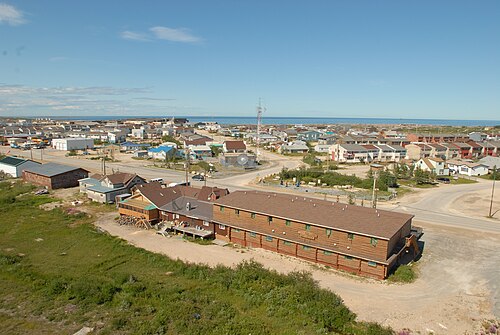
Is Churchill typical? Western Hudson Bay is an early-ice-loss stock and a tourist town. It is a visible subpopulation, not the whole Arctic.
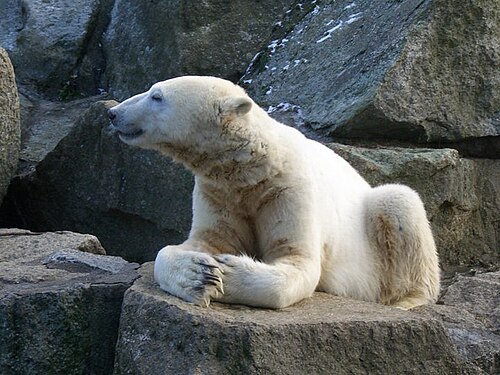
Who was Knut? 技术要点仅用本语言书写。只保留载荷、结构、效率与安全的核心,不夹杂英文句子。
Do polar bears eat only seals? 技术要点仅用本语言书写。只保留载荷、结构、效率与安全的核心,不夹杂英文句子。
What is Nanook of the North to this file? The 1922 film staged Inuit life for a southern camera. It is a portrayal, not an ethnography of nanuq knowledge.
Are Coca-Cola bears biology? 技术要点仅用本语言书写。只保留载荷、结构、效率与安全的核心,不夹杂英文句子。
How do USGS and PBSG fit? 技术要点仅用本语言书写。只保留载荷、结构、效率与安全的核心,不夹杂英文句子。
嵌入此榜单
将这段代码粘贴到您的博客或网站,榜单会保持最新。
复制代码
已复制
相近物种
六轴上最近的邻居 — 速度、智力、分布、韧性、文化与生态角色。
上一篇
🐘 非洲象
下一篇
🦍 大猩猩