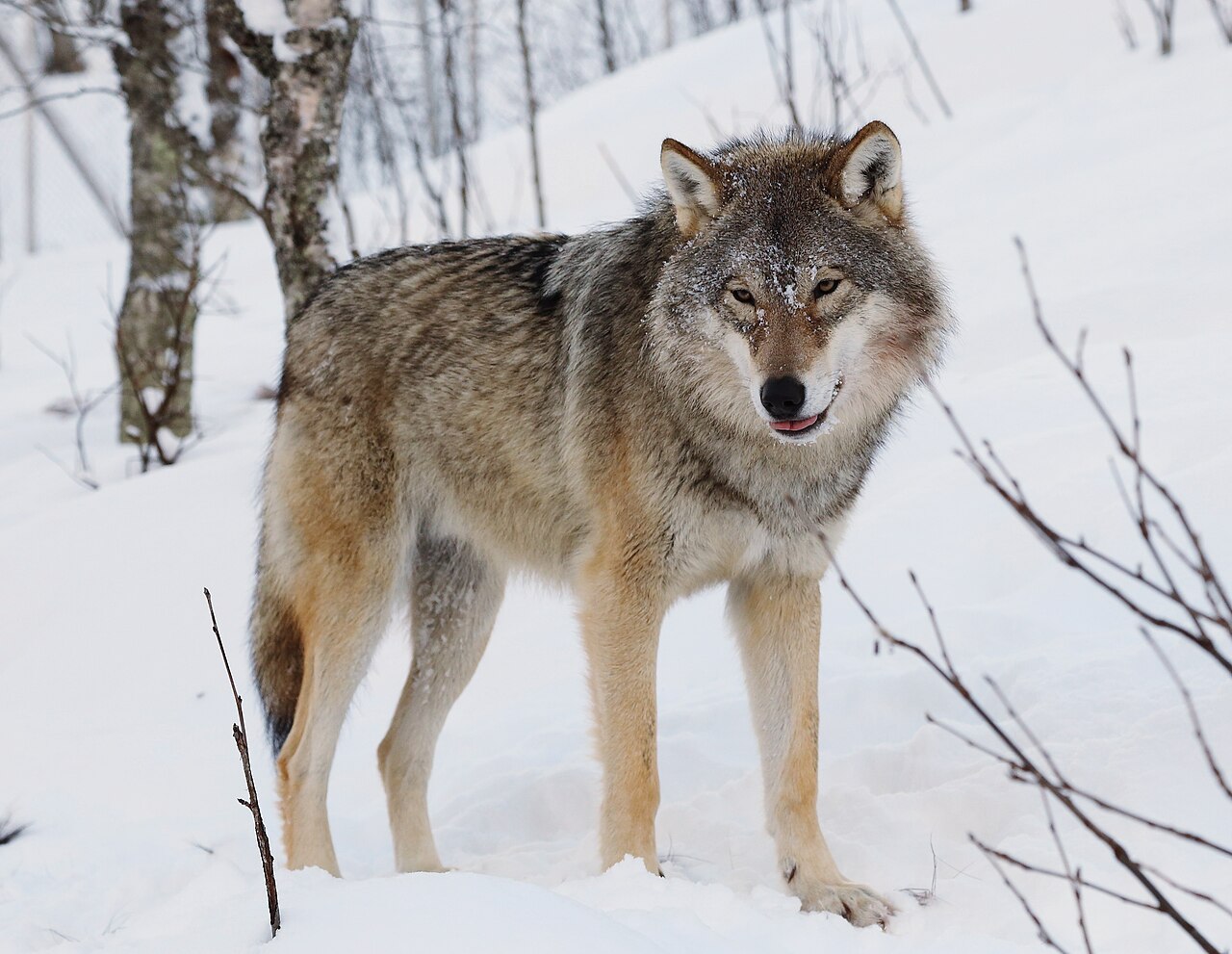
Loup gris est l’une des vingt-quatre espèces de cet atlas. Ce n’est pas un catalogue : évolution, anatomie, comportement, culture, icônes, conservation et aire forment un seul système.
Les scores comparent vitesse, intelligence, aire, résilience, impact culturel et rôle écologique. Ce sont des jugements éditoriaux relatifs, pas un classement de laboratoire.
Sept chapitres creusent : origines, corps et sens, vie et comportement, culture, icônes, pression de conservation et l’aire partagée avec les gens.
Introduction profonde
Plongée : Loup gris
Loup gris n’est pas un animal de carte postale. C’est un ensemble de populations, de sous-espèces et de règles humaines dans la famille faune de cet atlas.
Diversité, corps, culture et aires — plus une lentille de cette région linguistique.
Diversité dans le type
Les guides de terrain plient beaucoup de lignées dans le mot Loup gris. Sous-espèces, voies et lignées captives ne partagent pas un seul destin.
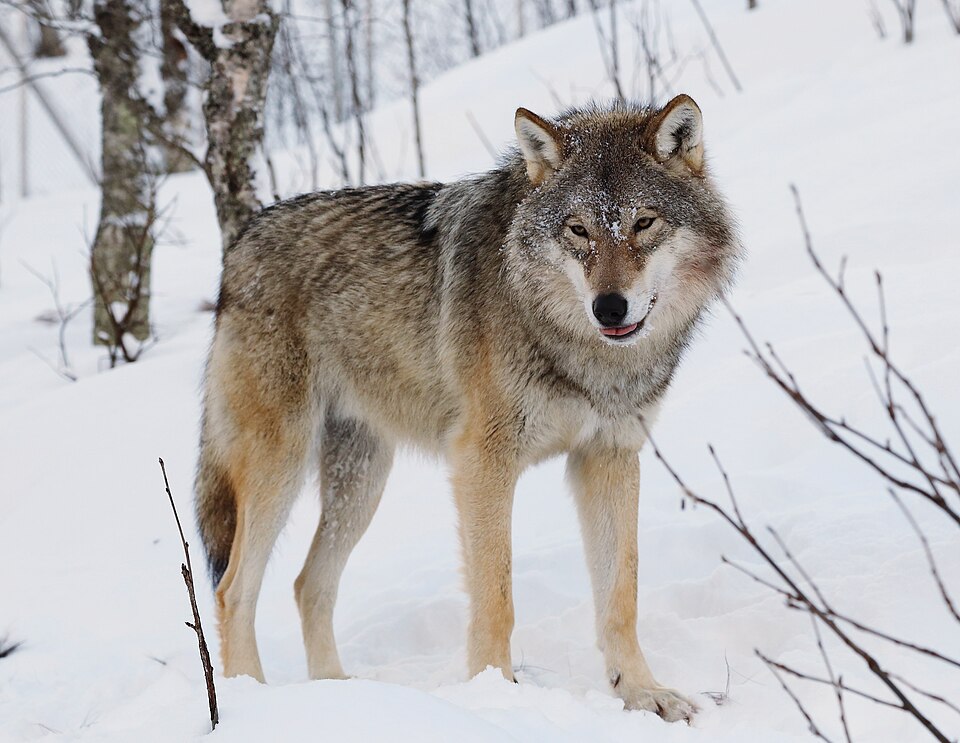
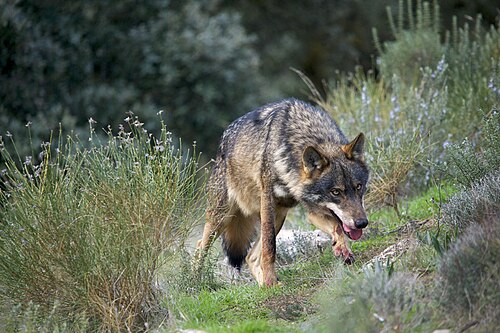
Cet atlas choisit un titre Wikipédia comme image héro et garde le reste du grade visible pour qu’un stock rétabli ne blanchisse pas une cousine En danger critique.
Life in the landscape
A long-legged canid with a sagittal crest for temporalis muscle and a dentition for both flesh and bone. Packs are families more often than Hollywood armies.
Endurance chase and ambush on ungulates; winter moose or elk, summer more deer and beaver. Scavenge is ordinary.
Culture et sens
Film, droit, héraldique, zoos et récit local ont rencontré Loup gris. Ces portraits bougent l’argent ; ce n’est pas un recensement de terrain.
Le chapitre culture date affiches et lois pour qu’un film de 1975 ou un logo de 1961 ne se fassent pas passer pour la Liste rouge des années 2020.
Conservation and money
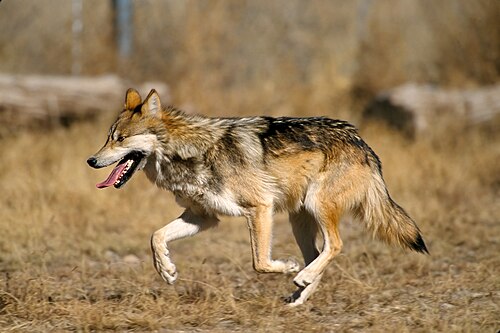
Least Concern globally after recoveries in parts of Europe and North America; Mexican and some regional wolves remain separately endangered.
Tourism, conflict payments, quotas and captive loans are dated economic bands in the market chapter -- not live prices and not a best-species prize.
Plongée sciences de la vie
Biologie en profondeur : Loup gris
La biologie de Loup gris empile structure, énergie, sens et limites. Les quatre sections reprennent les titres de l’atlas pour comparer sans cadre de meilleure espèce.
Anatomie, sens, comportement et limites — plus le langage de terrain de cette région.
Structure
A long-legged canid with a sagittal crest for temporalis muscle and a dentition for both flesh and bone. Packs are families more often than Hollywood armies.
Load paths and tissues (not metals) are expanded in the anatomy chapter.
Energy and foraging
Endurance chase and ambush on ungulates; winter moose or elk, summer more deer and beaver. Scavenge is ordinary.
The how-it-works diagrams reduce that budget to a six-node loop.
Senses and control
Smell and a howl that spaces packs. Night hunts use hearing as much as the postcard stare.
Control here means the animal steering itself -- not a vehicle ECU.
Limits
Lead, poison, and a ballot. LC globally does not retire a rancher or a Mexican-wolf recovery plan.
Resilience scores encode those limits relative to the other 23 types.
Four other atlas types, six terms, three threads and three local notes -- a map out of the Loup gris page without leaving the 24-id taxonomy.
Espèces voisines, termes, fils adjacents et notes régionales pour cette langue.
Voir aussi
🐅TigreAnother predator whose recovery is national and method-dependent.
🦁LionSocial hunter -- pride versus pack, VU versus global LC.
🦅AigleRecovered North American emblem (bald eagle) on a different clade.
🐟SaumonYellowstone-to-river nutrient stories sometimes over-claim; salmon are the clearer ocean-to-forest pump.
Termes clés
Yellowstone 1995
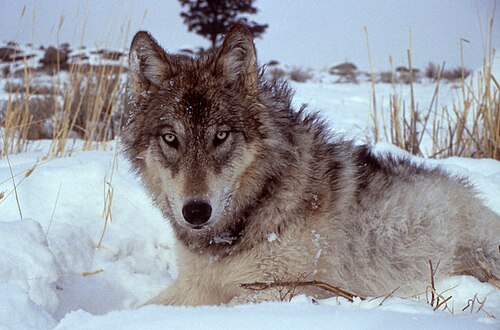
Reintroduction of Canadian wolves -- the most cited predator-return experiment.
Trophic cascade
Elk-willow-beaver story; later papers added nuance and climate.
Leopold
Thinking Like a Mountain (1949) -- the wolf as an ethics turn.
Lobo
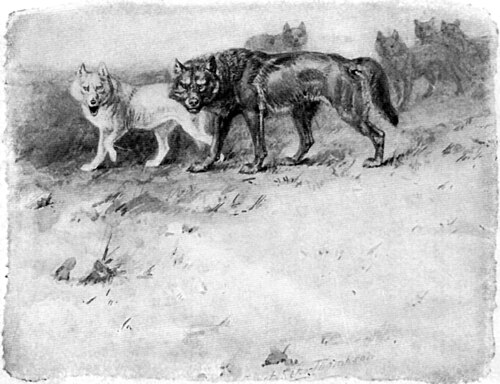
Ernest Thompson Seton 1890s New Mexico -- King of Currumpaw as a guilt story.
Mexican wolf
C. l. baileyi -- captive-bred releases in the Southwest, still a few hundred.
Isle Royale
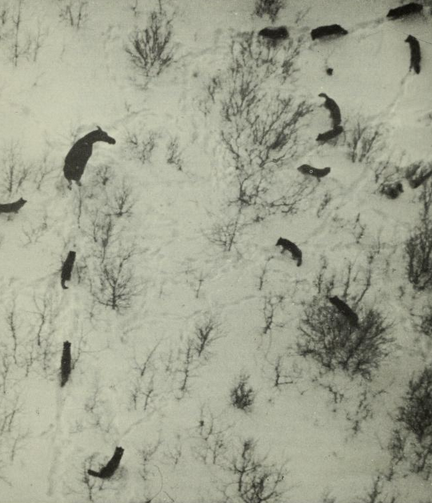
Wolf-moose study since 1958 -- the longest predator-prey project.
Habitat and movement
Where the Loup gris breeds and feeds is the first constraint. Single lakes, islands and forests appear again in the history timeline.
Range scores in this atlas mark how widely that movement runs -- albatross and blue whale high, koi and panda low -- not a quality ranking.
Research and law
Named projects (Project Tiger, ACAP, ICCAT, Amboseli) are the English-language bureaucracy of the type.
Listings and downlists are dated events in the timeline, not eternal essences.
Culture and price
Film, auction and logo years are filed under culture and market so they cannot masquerade as demography.
The icons chapter keeps eight real Wikipedia titles so a later language pack can attach the same faces.
Notes de terrain visuelles
Photos sous licence de cette espèce — héros, ères et icônes sur un mur.
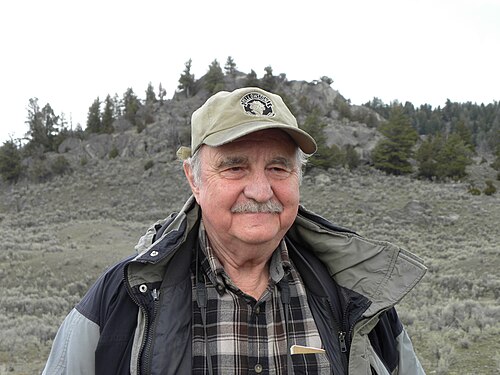
User:Mas3cfUser:Mas3cfDoug SmithHoward ZahniserIllustrated by the author, Ernest Seton ThompsonClark, Jim (U.S. Fish and Wildlife Service)ShakataGaNaiL. David MechArturo de Frias MarquesL. David Mech
Le profil
Vitesse66
Intelligence83
Aire75
Résilience62
Impact culturel85
Rôle écologique94
Épingler anatomie contre comportement
Choisissez un système anatomique et un fait d’exploitation déjà sur cette page d’espèce. Une paire de lecture — pas un tableau de vainqueurs.
Aide de parcours de cet atlas. La biologie de terrain et le droit local décident de toute rencontre réelle. Pas de flux live.