Gorille est l’une des vingt-quatre espèces de cet atlas. Ce n’est pas un catalogue : évolution, anatomie, comportement, culture, icônes, conservation et aire forment un seul système.
Les scores comparent vitesse, intelligence, aire, résilience, impact culturel et rôle écologique. Ce sont des jugements éditoriaux relatifs, pas un classement de laboratoire.
Sept chapitres creusent : origines, corps et sens, vie et comportement, culture, icônes, pression de conservation et l’aire partagée avec les gens.
Introduction profonde
Plongée : Gorille
Gorille n’est pas un animal de carte postale. C’est un ensemble de populations, de sous-espèces et de règles humaines dans la famille faune de cet atlas.
Diversité, corps, culture et aires — plus une lentille de cette région linguistique.
Diversité dans le type
Les guides de terrain plient beaucoup de lignées dans le mot Gorille. Sous-espèces, voies et lignées captives ne partagent pas un seul destin.
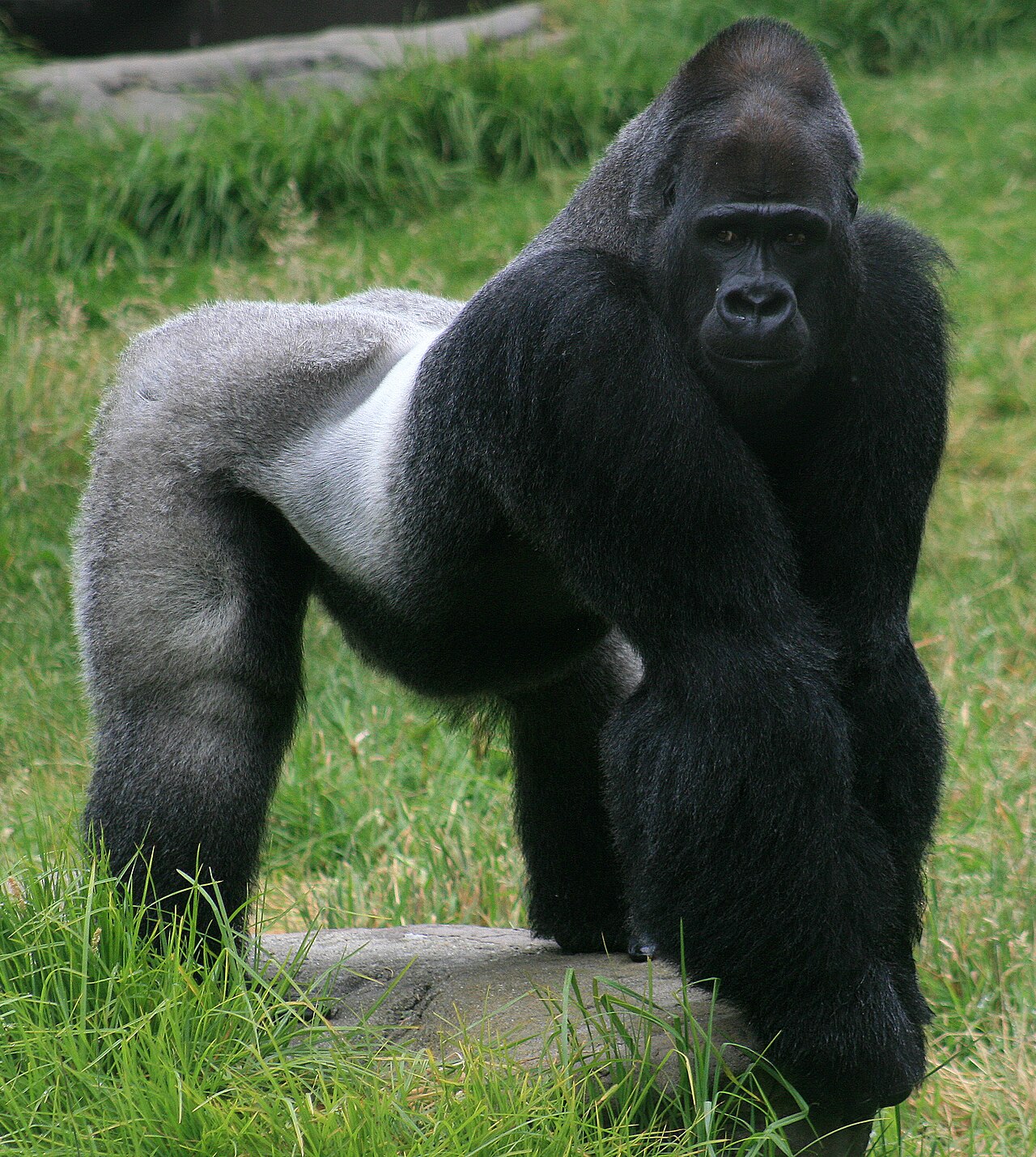
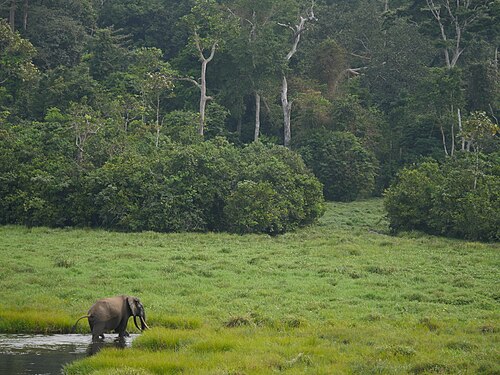
Cet atlas choisit un titre Wikipédia comme image héro et garde le reste du grade visible pour qu’un stock rétabli ne blanchisse pas une cousine En danger critique.
Life in the landscape
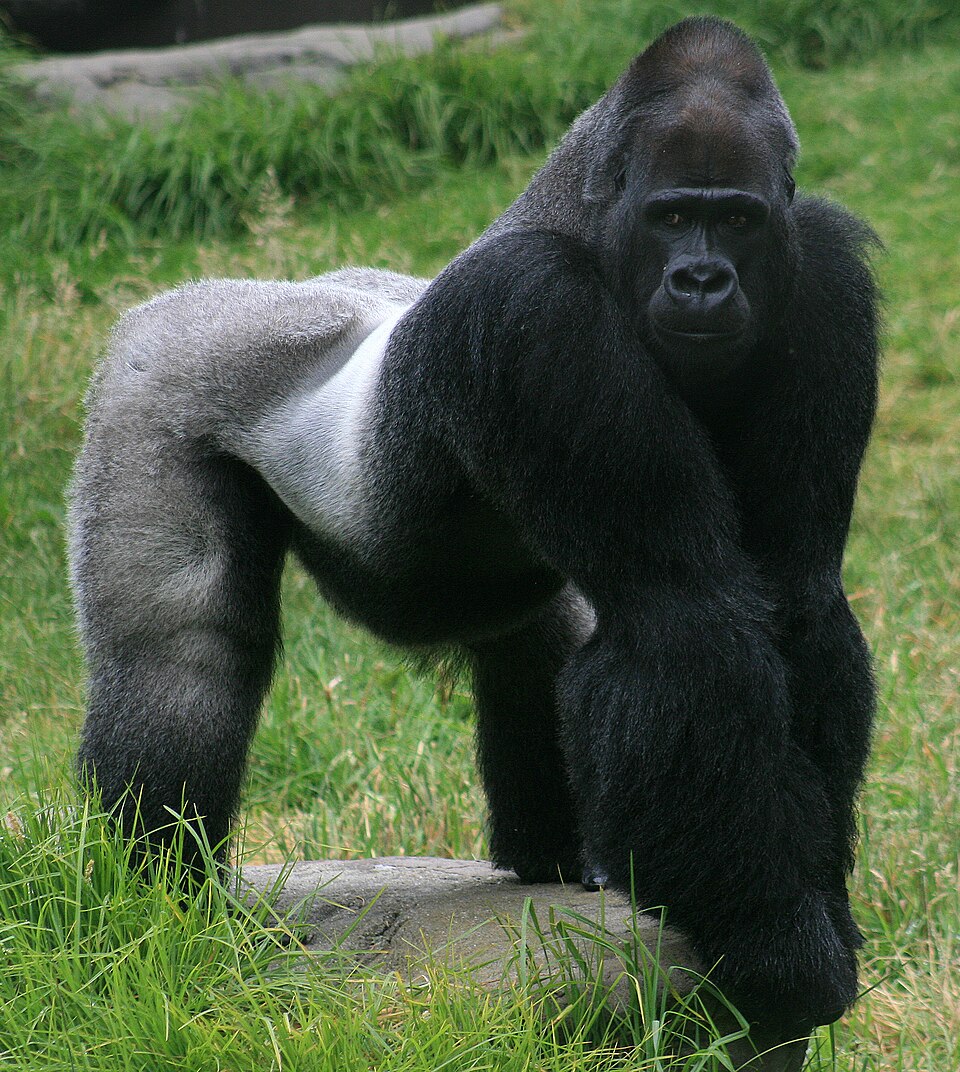
A massive knuckle-walker with a sagittal crest in males, a gut for fibrous plants, and nests built new each night. The atlas type is western; the silverback image is shared.
All-day herbivory -- fruit in western forests, more pith in some mountain diets. A CR ape is a slow calorie machine, not a hunter.
Culture et sens
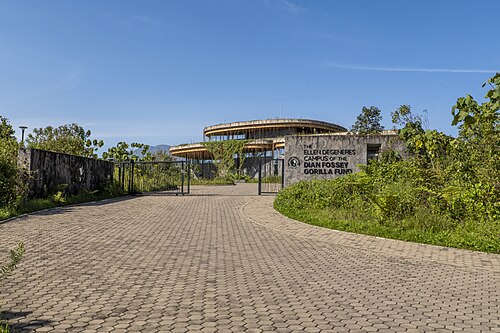
Film, droit, héraldique, zoos et récit local ont rencontré Gorille. Ces portraits bougent l’argent ; ce n’est pas un recensement de terrain.
Le chapitre culture date affiches et lois pour qu’un film de 1975 ou un logo de 1961 ne se fassent pas passer pour la Liste rouge des années 2020.
Conservation and money
Western Gorille Critically Endangered; mountain Gorille (a different species, G. beringei) is Endangered after a guarded rebound. Resilience here follows the atlas type: CR.
Tourism, conflict payments, quotas and captive loans are dated economic bands in the market chapter -- not live prices and not a best-species prize.
Plongée sciences de la vie
Biologie en profondeur : Gorille
La biologie de Gorille empile structure, énergie, sens et limites. Les quatre sections reprennent les titres de l’atlas pour comparer sans cadre de meilleure espèce.
Anatomie, sens, comportement et limites — plus le langage de terrain de cette région.
Structure
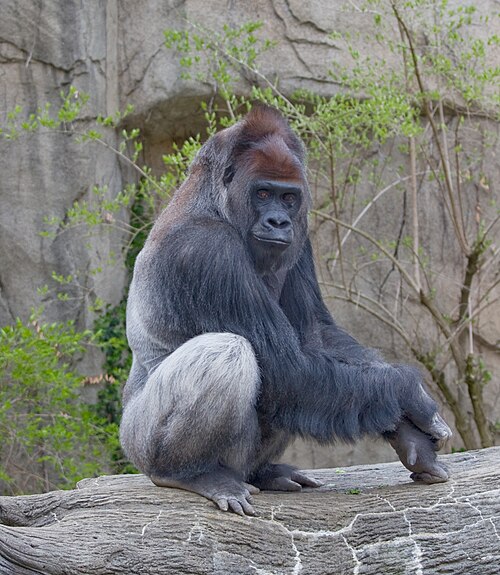
A massive knuckle-walker with a sagittal crest in males, a gut for fibrous plants, and nests built new each night. The atlas type is western; the silverback image is shared.
Load paths and tissues (not metals) are expanded in the anatomy chapter.
Energy and foraging
All-day herbivory -- fruit in western forests, more pith in some mountain diets. A CR ape is a slow calorie machine, not a hunter.
The how-it-works diagrams reduce that budget to a six-node loop.
Senses and control
Close social vision and smell. Intelligence here is ranked highest among the 24 for ape social learning -- still below a marketing superlative.
Control here means the animal steering itself -- not a vehicle ECU.
Limits
Ebola, bushmeat and logging. A mountain rebound is a different species. Lowest resilience in the atlas is a CR statement.
Resilience scores encode those limits relative to the other 23 types.