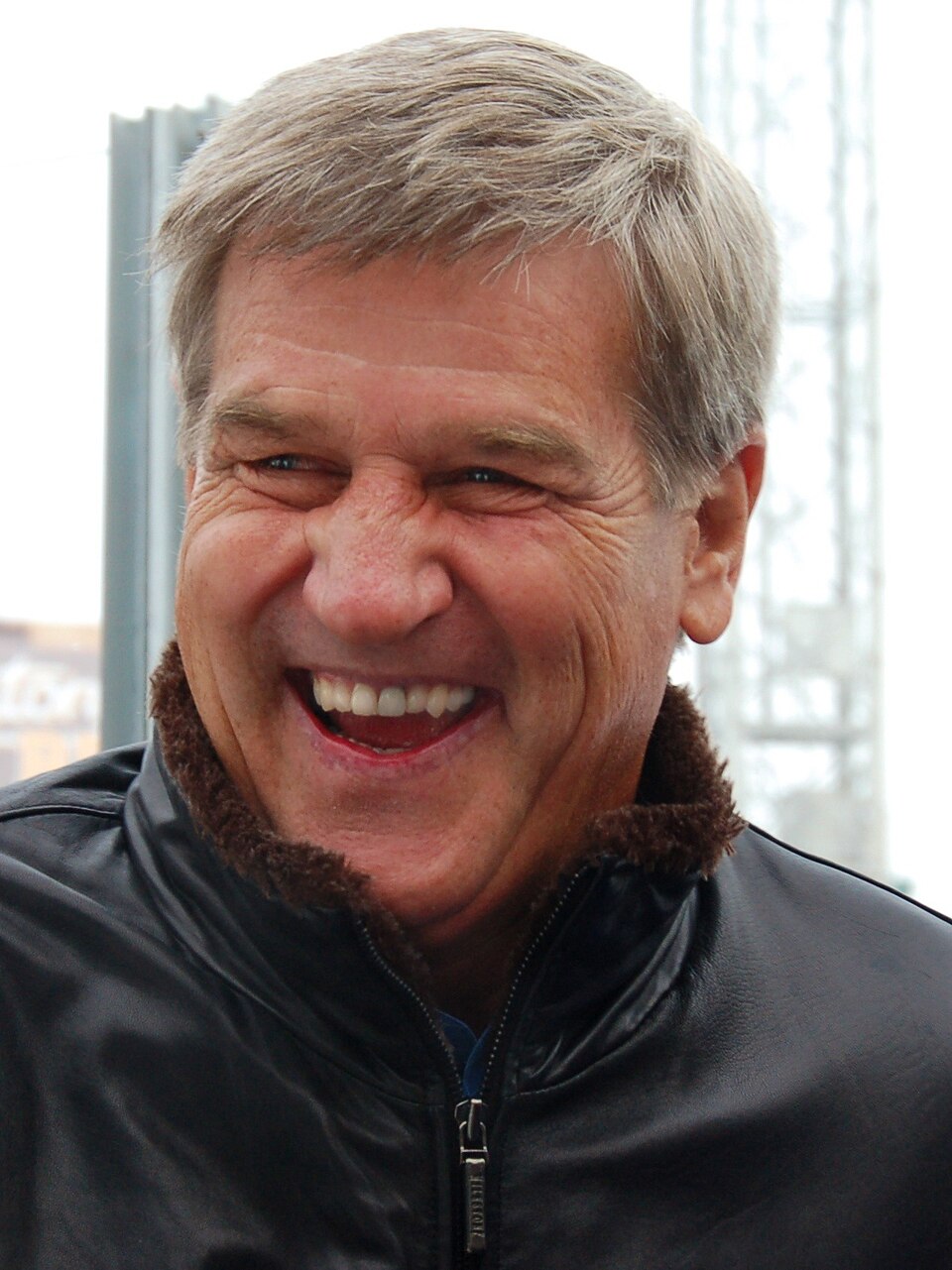
Bobby Orr
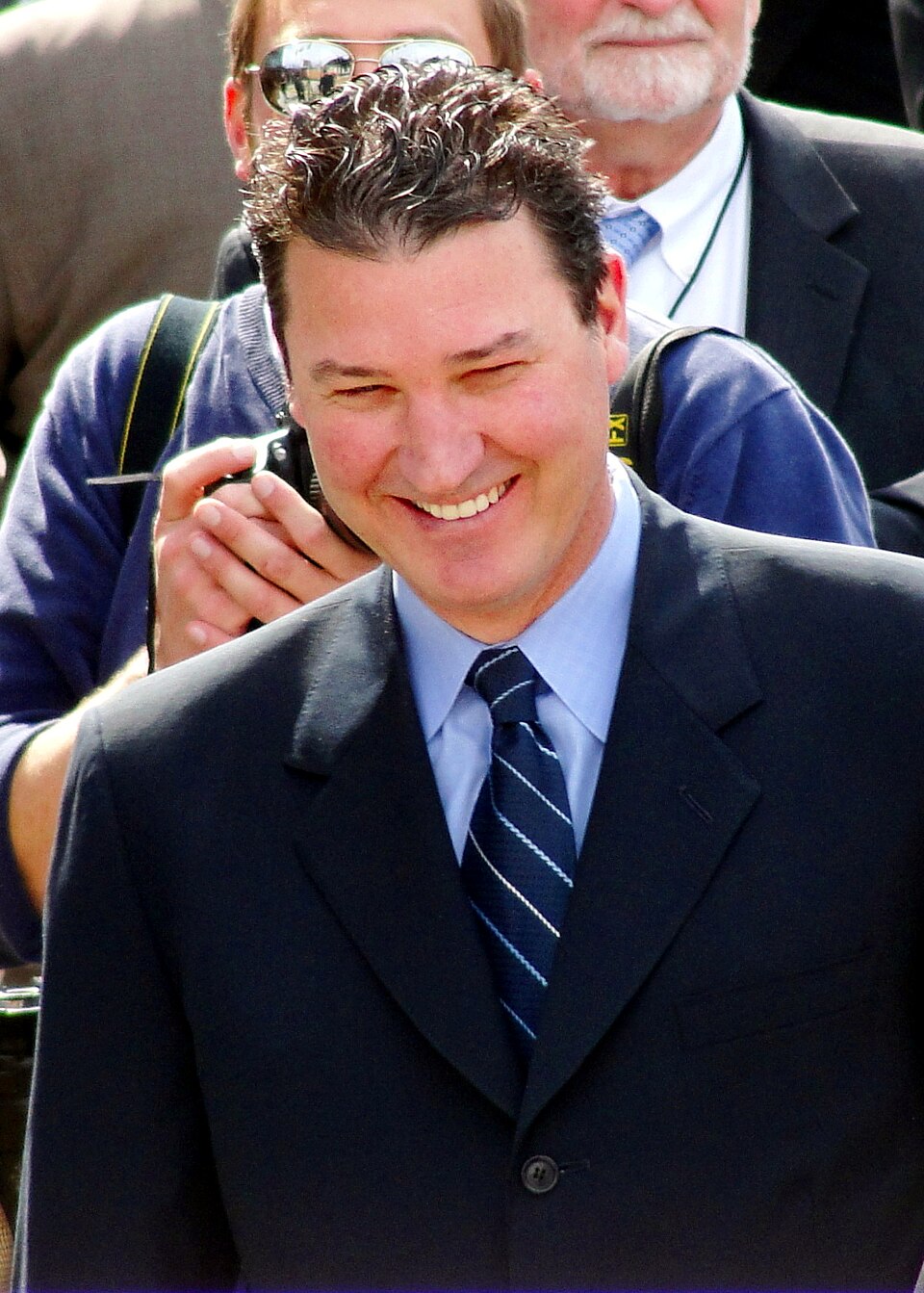
Mario Lemieux
Stat by stat
Bars are scaled to the leader in this list.
The verdict
Mario Lemieux leads 2 of 4 categories. Our all-time ranking places Bobby Orr at #2 and Mario Lemieux at #3.
Head-to-head FAQ
Who leads more shared metrics?
How do the published ranks compare?
Are these live stats?
The case for Bobby Orr
Bobby Orr redefined what a defenceman could be, and many who saw both call him the most purely dominant player ever. Before Orr, blueliners defended; he attacked, rushing the puck end to end and quarterbacking the offence with unprecedented speed and vision. He remains the only defenceman to win the Art Ross as scoring champion, doing it twice, and his plus-124 in 1970-71 is a record that will never fall. Orr won eight consecutive Norris Trophies as the league's best defenceman, three straight Hart Trophies as MVP, and two Stanley Cups with the Boston Bruins, the first sealed by his airborne, flying goal in overtime of the 1970 Final, hockey's most famous photograph. Chronic knee injuries wrecked his body and forced retirement at 30 after just 12 seasons, leaving fans to wonder what fuller health might have yielded. Even truncated, his peak, a stretch of the early 1970s when he led the entire league in scoring from the back end, stands as arguably the highest any player has reached.
The case for Mario Lemieux
At six-foot-four with impossible hands, Mario Lemieux may be the most talented player who ever lived, a scorer who could deke through an entire team or overpower it. Le Magnifique won two Stanley Cups with the Pittsburgh Penguins and captured the Art Ross six times, all while battling adversity that would have ended most careers: chronic back injuries, and a 1993 diagnosis of Hodgkin's lymphoma. He returned from his final radiation treatment to play that same night, then won the scoring title. His 1.88 points per game is the highest of any player with a substantial career, trailing only Gretzky. In 1988-89 he scored 199 points; in one 1988 game he tallied goals five different ways, at even strength, on the power play, shorthanded, on a penalty shot and into an empty net. He retired in 1997, returned in 2000 as a player-owner having literally saved the franchise from bankruptcy, and played until 2006. Had health permitted a full career, the debate for number one might look very different.