
Wayne Gretzky
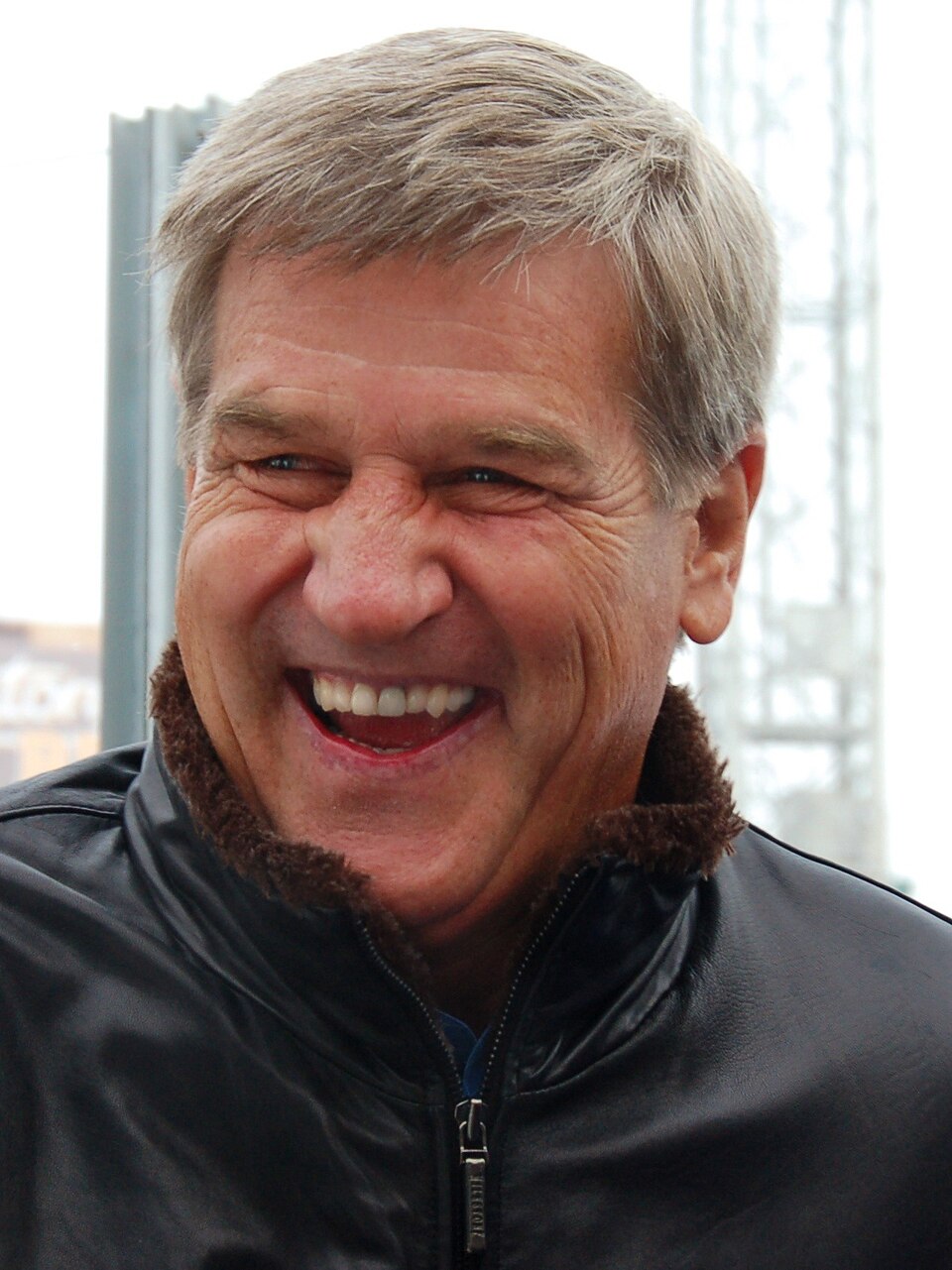
Bobby Orr
Stat by stat
Bars are scaled to the leader in this list.
The verdict
Wayne Gretzky leads 3 of 3 categories. Our all-time ranking places Wayne Gretzky at #1 and Bobby Orr at #2.
Head-to-head FAQ
Who leads more shared metrics?
How do the published ranks compare?
Are these live stats?
The case for Wayne Gretzky
No athlete has dominated a major sport the way The Great One dominated hockey. Gretzky holds more than 60 NHL records, many likely permanent: 2,857 career points, 894 goals and an untouchable 1,963 assists, a total that alone would still lead the all-time scoring list without a single goal. He scored 92 goals in 1981-82 and a staggering 215 points in 1985-86, and posted a 51-game point streak that no one has approached. He won four Stanley Cups with the Edmonton Oilers, nine Hart Trophies as MVP (eight of them consecutive), and ten Art Ross Trophies as scoring champion. His 1988 trade to Los Angeles is often credited with transforming hockey into a genuinely national sport in the United States. Not the fastest skater or the hardest shooter, Gretzky saw the ice a beat ahead of everyone, operating from behind the net, his office, to orchestrate the most prolific offence the sport has known. He is the definitive GOAT, and the gap to second place is the widest in hockey.
The case for Bobby Orr
Bobby Orr redefined what a defenceman could be, and many who saw both call him the most purely dominant player ever. Before Orr, blueliners defended; he attacked, rushing the puck end to end and quarterbacking the offence with unprecedented speed and vision. He remains the only defenceman to win the Art Ross as scoring champion, doing it twice, and his plus-124 in 1970-71 is a record that will never fall. Orr won eight consecutive Norris Trophies as the league's best defenceman, three straight Hart Trophies as MVP, and two Stanley Cups with the Boston Bruins, the first sealed by his airborne, flying goal in overtime of the 1970 Final, hockey's most famous photograph. Chronic knee injuries wrecked his body and forced retirement at 30 after just 12 seasons, leaving fans to wonder what fuller health might have yielded. Even truncated, his peak, a stretch of the early 1970s when he led the entire league in scoring from the back end, stands as arguably the highest any player has reached.