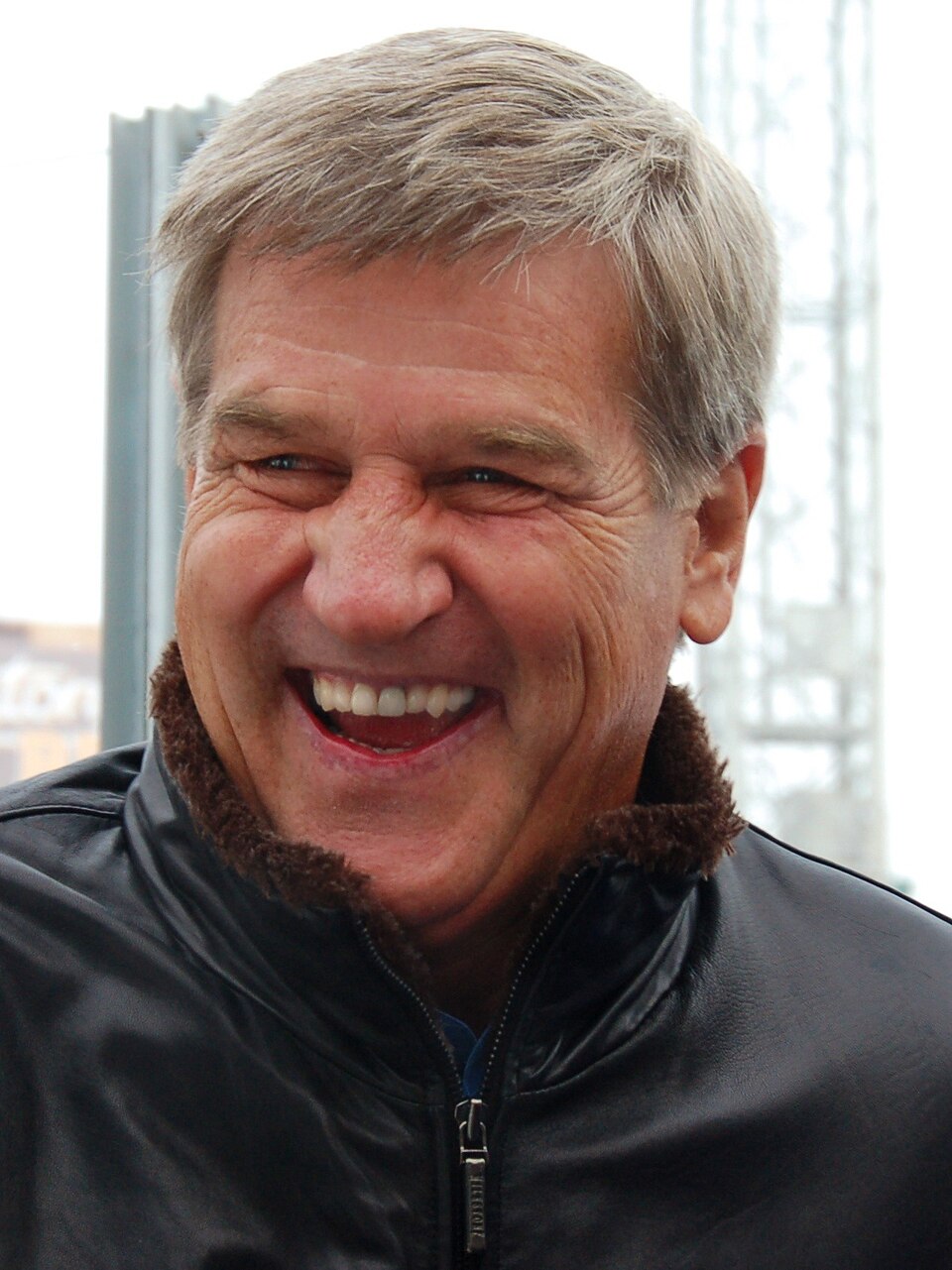
Bobby Orr
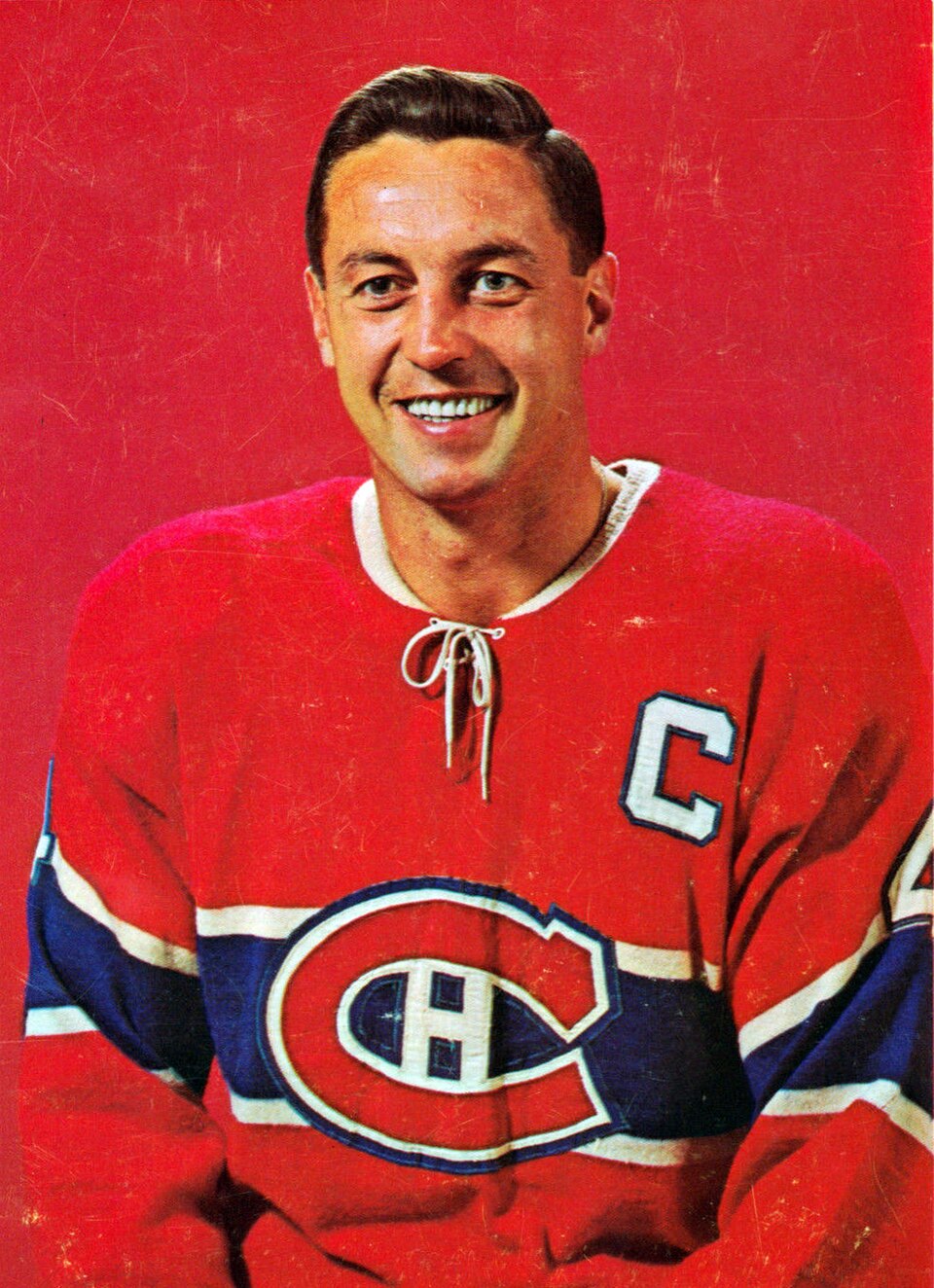
Jean Beliveau
Stat by stat
Bars are scaled to the leader in this list.
The verdict
Dead even across the measured categories. Our all-time ranking places Bobby Orr at #2 and Jean Beliveau at #8.
Head-to-head FAQ
Who leads more shared metrics?
How do the published ranks compare?
Are these live stats?
The case for Bobby Orr
Bobby Orr redefined what a defenceman could be, and many who saw both call him the most purely dominant player ever. Before Orr, blueliners defended; he attacked, rushing the puck end to end and quarterbacking the offence with unprecedented speed and vision. He remains the only defenceman to win the Art Ross as scoring champion, doing it twice, and his plus-124 in 1970-71 is a record that will never fall. Orr won eight consecutive Norris Trophies as the league's best defenceman, three straight Hart Trophies as MVP, and two Stanley Cups with the Boston Bruins, the first sealed by his airborne, flying goal in overtime of the 1970 Final, hockey's most famous photograph. Chronic knee injuries wrecked his body and forced retirement at 30 after just 12 seasons, leaving fans to wonder what fuller health might have yielded. Even truncated, his peak, a stretch of the early 1970s when he led the entire league in scoring from the back end, stands as arguably the highest any player has reached.
The case for Jean Beliveau
Regal, powerful and impossibly graceful, Jean Beliveau captained the Montreal Canadiens through the most successful era any franchise has known. He won ten Stanley Cups as a player, more than anyone in history except his teammate Henri Richard, and lifted seven more as a club executive, putting his name on the Cup a record 17 times. Le Gros Bill scored 507 goals and 1,219 points, won two Hart Trophies and the inaugural Conn Smythe Trophy as playoff MVP in 1965, and did it all with a dignity that made him one of hockey's most respected figures long after retirement. A big centre at a time when the position was being redefined, he combined a scorer's touch with a playmaker's vision and a leader's presence. Beliveau declined an offer to become Governor General of Canada, so revered was he. On the ice, his elegant stride and commanding two-way game set the template for the complete franchise centre that every organization has sought ever since.