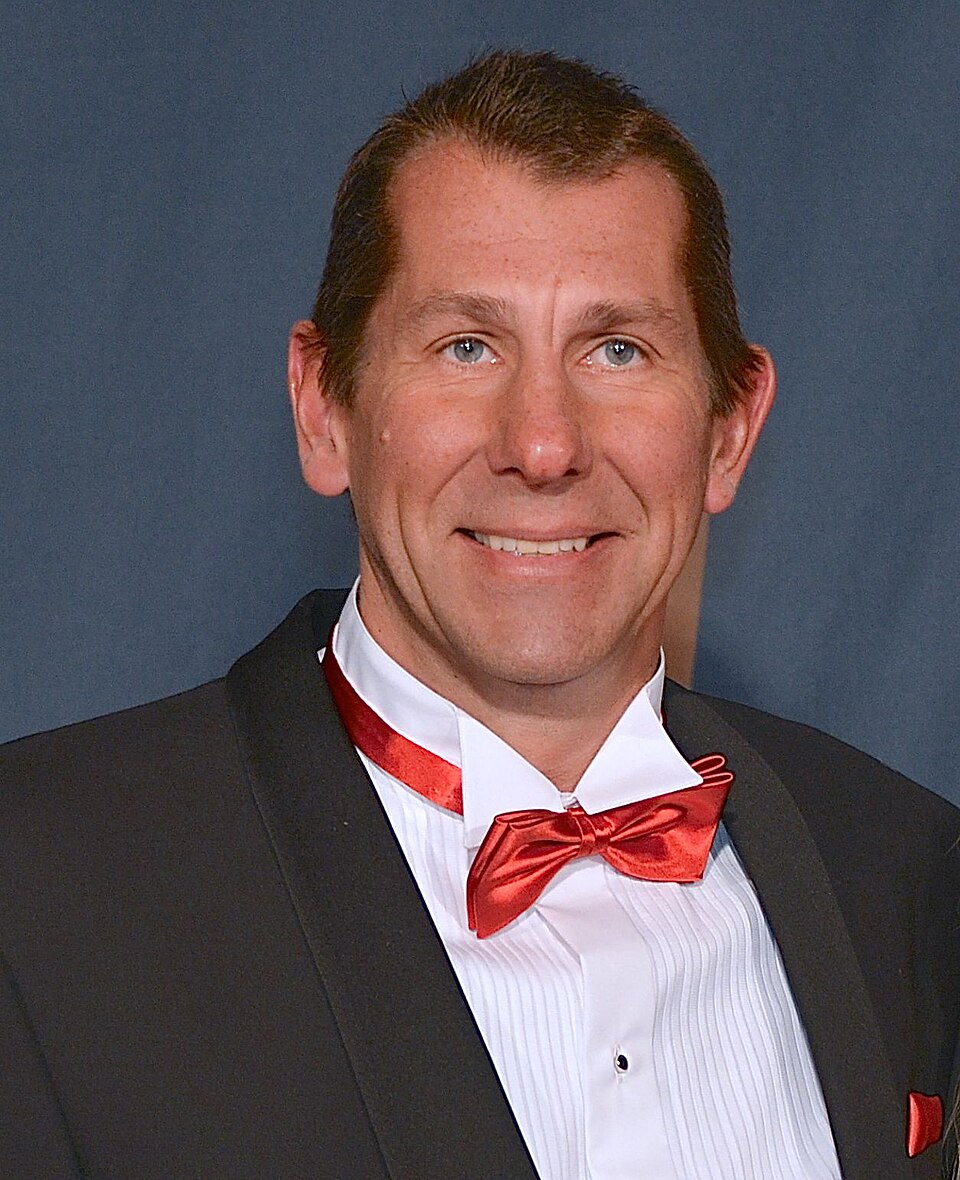
Magnus Wislander
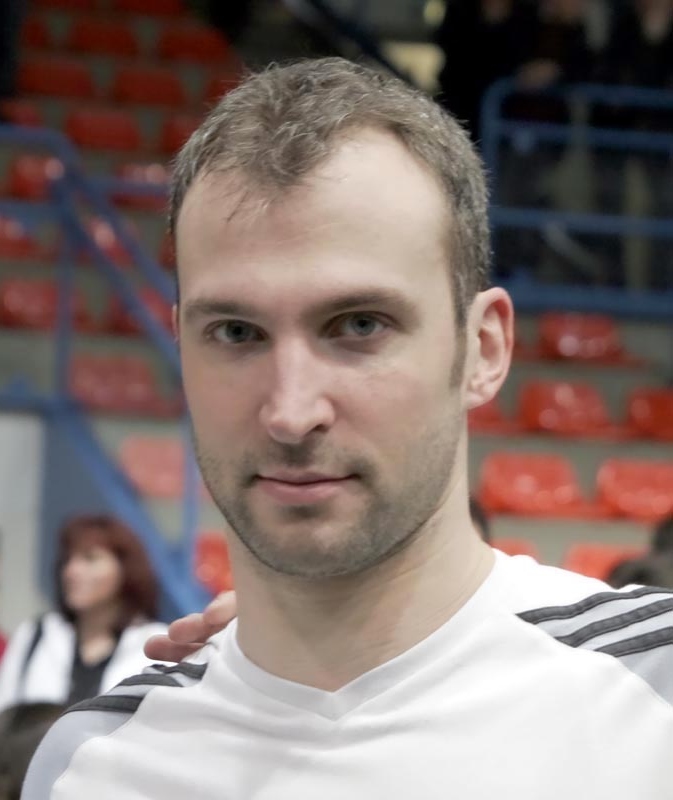
Thierry Omeyer
Stat by stat
Bars are scaled to the leader in this list.
The verdict
Thierry Omeyer leads 2 of 4 categories. Our all-time ranking places Magnus Wislander at #3 and Thierry Omeyer at #7.
Head-to-head FAQ
Who leads more shared metrics?
How do the published ranks compare?
Are these live stats?
The case for Magnus Wislander
Voted Handball Player of the Century by the IHF in 2000, and the man who turned the pivot from a body into a position. A line player with a playmaker's hands, Wislander scored, screened and passed out of the six-metre chaos for THW Kiel across twelve seasons, winning the run of Bundesliga titles that made Kiel the biggest club in the sport. With Sweden's Bengan Boys he won world titles in 1990 and 1999 and four consecutive European Championships in 1994, 1998, 2000 and 2002, still the record for a men's national team. The gap in the record is the largest in handball history: Sweden lost three Olympic finals in a row, to the Unified Team in 1992, Croatia in 1996 and Russia in 2000, and Wislander finished close to 400 internationals with three silver medals and no gold. Ask coaches which pre-2000 player they would build a team around and his name still comes first.
The case for Thierry Omeyer
Routinely named by his peers as the best goalkeeper the sport has had, and the spine of the most successful national team ever assembled. Omeyer won Olympic gold in 2008 and 2012 and silver in 2016, four world titles with France (2009, 2011, 2015 and 2017) and three European Championships (2006, 2010 and 2014), and was IHF World Player of the Year in 2008, an award goalkeepers almost never win. At club level he took the Champions League four times, once with Montpellier and three times with THW Kiel, including the 2011-12 season in which Kiel won all 34 of their Bundesliga matches. His method was minimalist: a low, wide stance, almost no early commitment, and a willingness to leave one corner visible in order to invite the shot he had prepared for. He regularly finished major tournaments with save rates near forty percent, the informal threshold that separates a very good goalkeeper from a tournament-winning one.