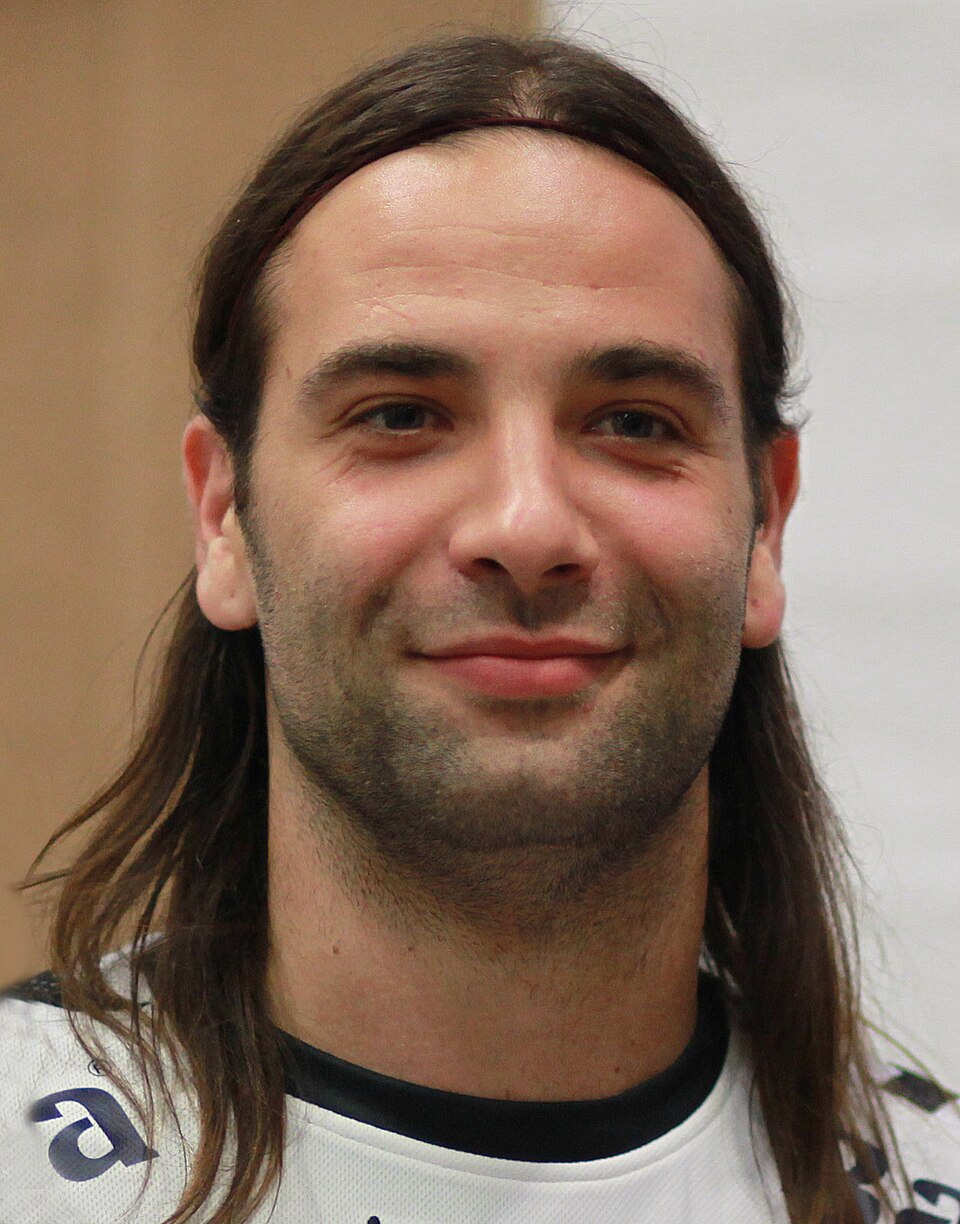
Ivano Balic
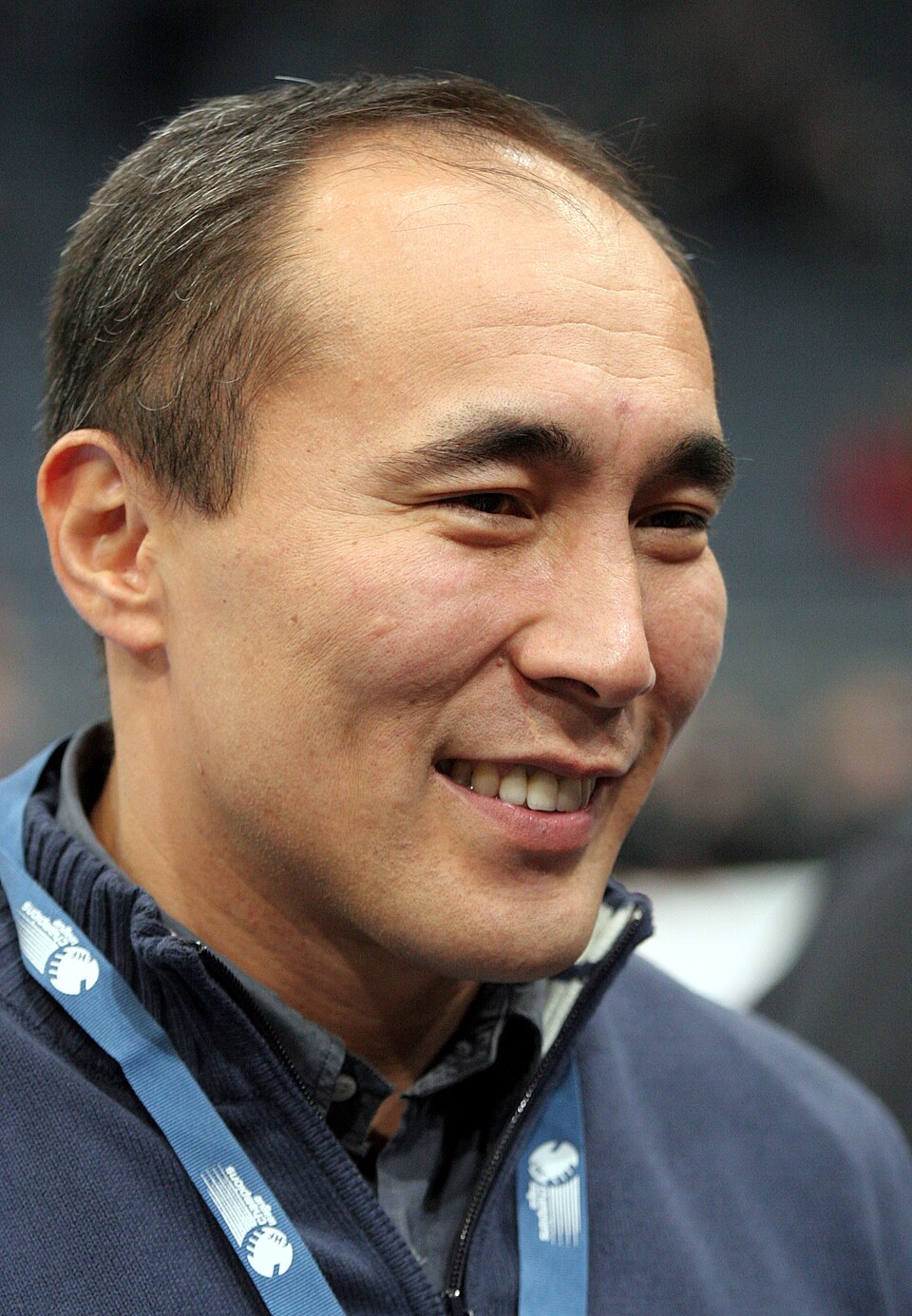
Talant Dujshebaev
Stat by stat
Bars are scaled to the leader in this list.
The verdict
Dead even across the measured categories. Our all-time ranking places Ivano Balic at #6 and Talant Dujshebaev at #10.
Head-to-head FAQ
Who leads more shared metrics?
How do the published ranks compare?
Are these live stats?
The case for Ivano Balic
For roughly five years in the mid-2000s, the most inventive player anyone had seen. Balic was a centre back who built his game on deception rather than power - a step-back fake that froze an entire defensive line, a no-look pass to a pivot he could not possibly have seen - and he was named IHF World Player of the Year in 2003 and 2006. He was the outstanding player of the 2003 World Championship, which Croatia won at home in Zagreb, and of the Athens 2004 Olympic tournament, which Croatia also won. With him as the fulcrum Croatia added world silver in 2005 and 2009 and European silver in 2008 and 2010, a run of near misses that would define a lesser player. In an IHF online poll in 2010 he was voted the best handball player of all time, a verdict that says as much about how he played as about what he won. Coaches still show his footage to teach the value of the pause.
The case for Talant Dujshebaev
Born in Frunze in Soviet Kyrgyzstan, Dujshebaev won Olympic gold with the Unified Team in 1992, took Spanish citizenship, and then won Olympic bronze for Spain in 1996 and 2000 - a career that traced the political redrawing of the sport. He was named IHF World Player of the Year twice, in 1994 and 1996, as a centre back of unusual physical power who could shoot from nine metres and defend the middle of a 6-0 for a full match, a combination that barely exists now. He spent his best club years in Spain with Teka Santander and Ciudad Real, in the period when the Spanish league was the strongest in the world. His second career made him more influential still: as a coach he took Kielce to the Champions League title in 2016, and both his sons, Alex and Daniel, became Spanish internationals. Few people have shaped three handball nations.