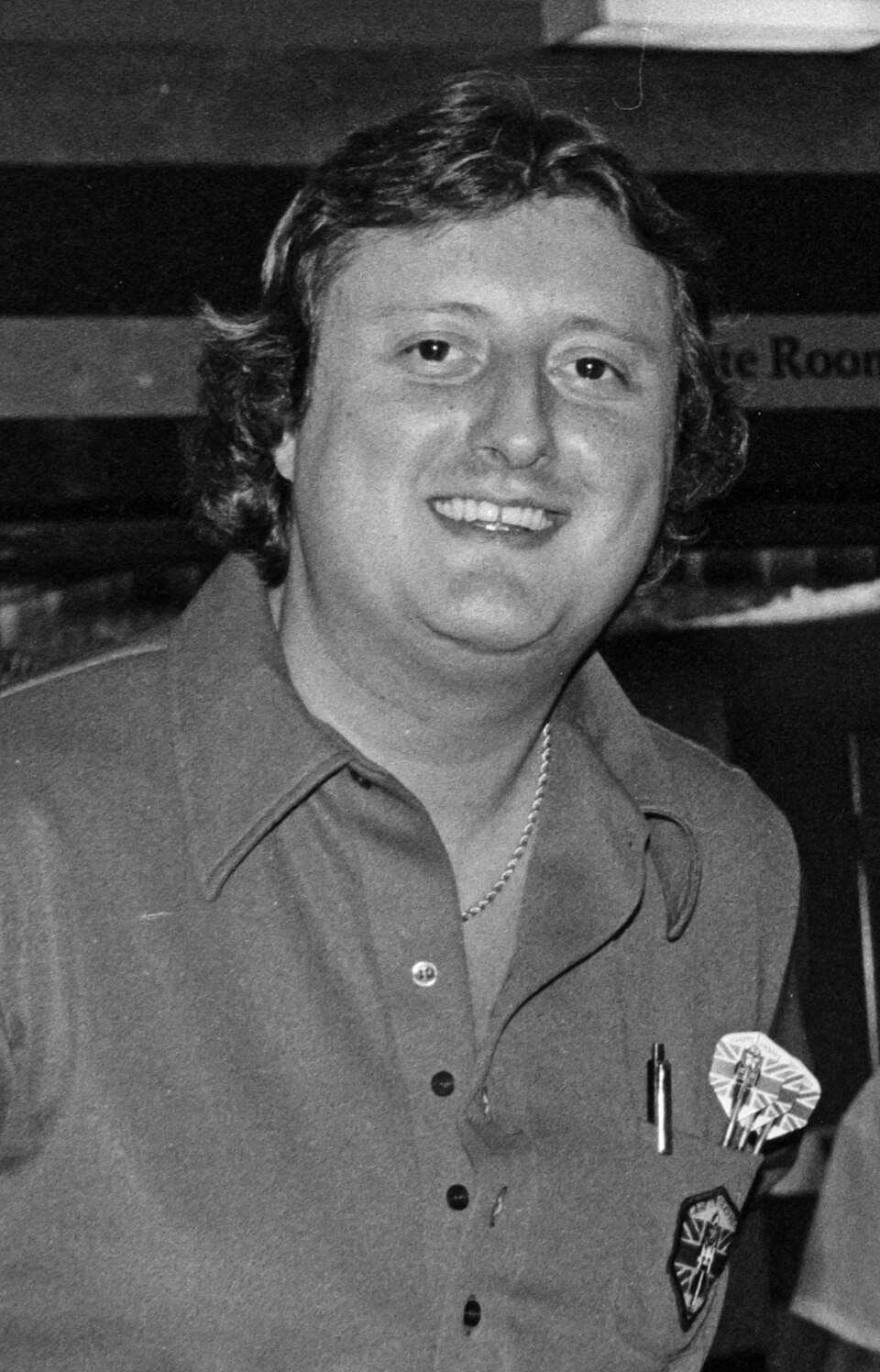
Eric Bristow
Luke Littler
Stat by stat
Bars are scaled to the leader in this list.
The verdict
Eric Bristow leads 3 of 3 categories. Our all-time ranking places Eric Bristow at #3 and Luke Littler at #12.
Head-to-head FAQ
Who leads more shared metrics?
How do the published ranks compare?
Are these live stats?
The case for Eric Bristow
The player who made darts a television sport. The Crafty Cockney won five world championships in 1980, 1981, 1984, 1985 and 1986 from ten world finals, five Winmau World Masters and two News of the World titles, and dominated the boom years so completely that his defeats became more famous than his victories — Keith Deller's 138 checkout to beat him 6-5 in the 1983 final is still the sport's best-known moment. He was the first darts player recognisable to people who never watched darts: chalk-white shirt, little finger cocked, an arrogance he cultivated deliberately because it sold tickets. Dartitis struck at the peak of his powers in the mid-1980s and he never won another world title, though he reached the finals of 1989, 1990 and 1991 while fighting it. He then bankrolled a young Stoke potter named Phil Taylor, who beat him in the 1990 final. No player has been more consequential for the sport's commercial existence.
The case for Luke Littler
The youngest world champion in the sport's history and the biggest audience driver it has ever had. Littler reached the 2024 World Championship final at 16, losing 7-4 to Luke Humphries after arriving as a qualifier ranked outside the top 150, and won the title a year later on 3 January 2025, beating Michael van Gerwen 7-3 at 17 years and 347 days old. In between he won the 2024 Premier League at his first attempt, beating Humphries in the final, and the 2024 Grand Slam of Darts, among a major haul already larger than most professionals manage in a career. He throws quickly, appears immune to the occasion, and has averaged above 100 in televised finals since he was a schoolboy. His 2024 run drew the largest television audiences in the sport's history and a surge in board sales and junior participation across Britain, the Netherlands and Germany.