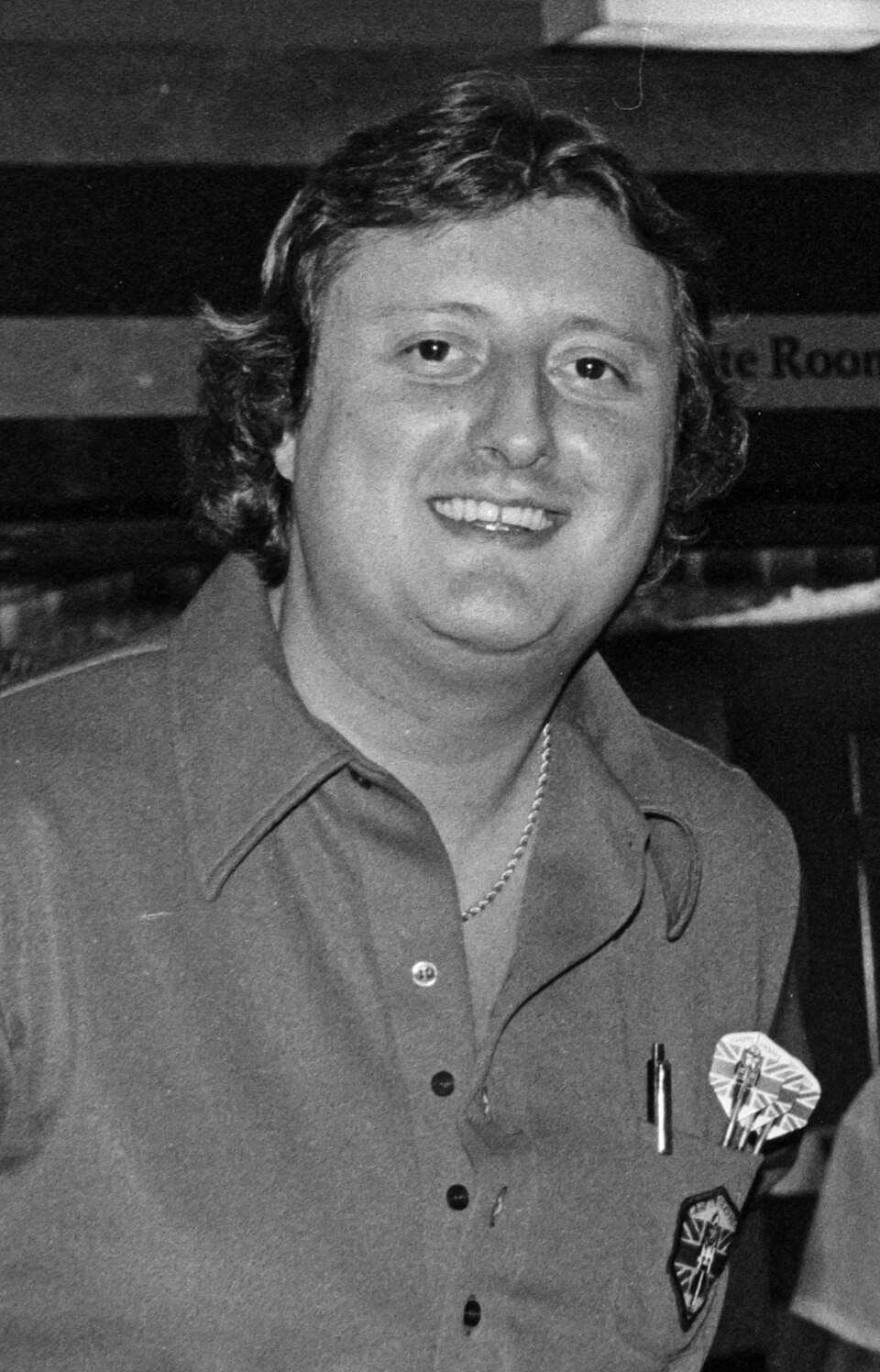
Eric Bristow
Gary Anderson
Stat by stat
Bars are scaled to the leader in this list.
The verdict
Eric Bristow leads 3 of 3 categories. Our all-time ranking places Eric Bristow at #3 and Gary Anderson at #6.
Head-to-head FAQ
Who leads more shared metrics?
How do the published ranks compare?
Are these live stats?
The case for Eric Bristow
The player who made darts a television sport. The Crafty Cockney won five world championships in 1980, 1981, 1984, 1985 and 1986 from ten world finals, five Winmau World Masters and two News of the World titles, and dominated the boom years so completely that his defeats became more famous than his victories — Keith Deller's 138 checkout to beat him 6-5 in the 1983 final is still the sport's best-known moment. He was the first darts player recognisable to people who never watched darts: chalk-white shirt, little finger cocked, an arrogance he cultivated deliberately because it sold tickets. Dartitis struck at the peak of his powers in the mid-1980s and he never won another world title, though he reached the finals of 1989, 1990 and 1991 while fighting it. He then bankrolled a young Stoke potter named Phil Taylor, who beat him in the 1990 final. No player has been more consequential for the sport's commercial existence.
The case for Gary Anderson
The purest thrower of his generation and the man who ended Phil Taylor's last realistic title bid. Anderson won back-to-back PDC world championships in 2015, beating Taylor 7-6 in a final decided in the last leg, and 2016, beating Adrian Lewis 7-5. He reached six world finals in all, including two BDO finals in 2010 and 2011 before switching codes, and lost the 2017 and 2021 finals to Michael van Gerwen and Gerwyn Price respectively. He also won the 2011 Premier League among more than ten televised majors. His throw is famously effortless — a short, fast release that other professionals openly envy — and at his best he is capable of scoring bursts nobody can live with, including a run of 180s in the 2015 and 2016 championships that remade the tournament's records. Chronic back trouble and an unconcealed distaste for the travelling circuit have limited his output rather than his ability.