Antes de 1950
Era del conductismo
Los consejos influidos por Watson y Skinner enfatizaban horarios estrictos y recogidas mínimas.
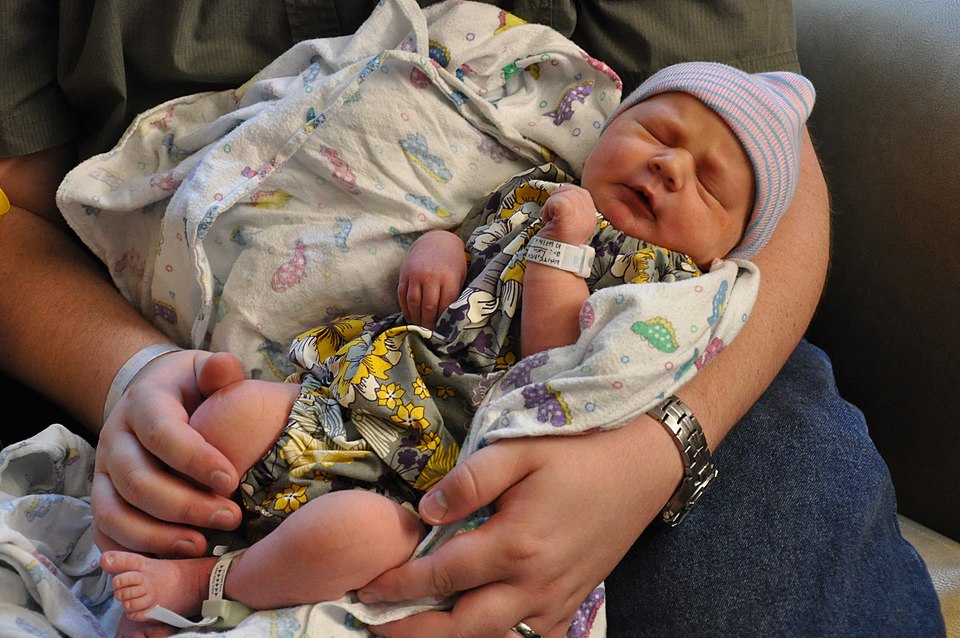
Niño · De un mes a doce meses: hitos motores, primeros alimentos, profundización del apego y patrones de sueño emergentes.
Marcos em ordem. E historia, nao uma grelha semanal.
Celulas mais escuras marcam uma pontuacao mais alta nesse indicador.
MenosMais
Ultima revisao Fontes e creditosCréditos de mídiaMetodologia
Muchos ruedan de adelante hacia atrás entre 4 y 6 meses; Existe un amplio rango normal: el tiempo boca abajo favorece el desarrollo.
La OMS y la AAP recomiendan alrededor de seis meses para sentarse con apoyo y mostrar interés, no antes de cuatro meses.
Babeo leve e irritación de las encías sí; La fiebre alta suele tener otra causa y necesita revisión médica.
Algunos duermen más, entre 6 y 9 meses; muchos todavía se despiertan para alimentarse o consolarse, algo biológicamente normal.
El tiempo diario boca abajo supervisado fortalece el cuello y los hombros para gatear y reduce las zonas planas de la cabeza.
A menudo alcanza su punto máximo entre 8 y 10 meses, cuando se solidifica el apego a los cuidadores principales, no la timidez para "arreglarlo".
La infancia se convirtió en una etapa de desarrollo distinta a medida que la psicología infantil se separó de la "infancia" genérica en el siglo XX.
Desde la alimentación programada del conductismo hasta la crianza con apego, los consejos oscilaban entre el reloj y la señal.
Las observaciones sensoriomotoras de Jean Piaget y Strange Situation de Mary Ainsworth (1978) definieron la cognición y el apego infantil como una ciencia mensurable.
Jean Piaget publicó descripciones sensoriomotoras del desarrollo de la permanencia de objetos infantiles.
El Libro del sentido común sobre el cuidado de bebés y niños de Benjamin Spock llegó a millones de padres estadounidenses.
Mary Ainsworth publicó el procedimiento de clasificación de archivos adjuntos en Johns Hopkins.
El concepto Continuum popularizó el transporte constante entre los lectores occidentales.
La investigación sobre SMSL comenzó a vincular dormir boca abajo con una mayor mortalidad infantil.
La OMS recomendó seis meses de lactancia materna exclusiva siempre que sea posible.
Gwen Dewar sintetizó en línea el sueño y el desarrollo infantil basados en evidencia para padres.
La alimentación complementaria alineada con la Academia Estadounidense de Pediatría comienza cerca de los seis meses.
La exposición social de los bebés fue limitada durante los encierros; estudios posteriores rastrearon los hitos de la comunicación.
Las pautas cambiaron hacia la introducción temprana de maní y huevo después de las discusiones sobre la replicación del ensayo LEAP.
Los consejos influidos por Watson y Skinner enfatizaban horarios estrictos y recogidas mínimas.

El trabajo de Bowlby-Ainsworth y el mensaje de Spock de "confía en tus instintos" remodelaron el cuidado infantil de clase media.
Los mercados de Baby Einstein, monitores y equipos se dispararon junto con los hogares de doble ingreso.
Sitios web y libros tradujeron investigaciones sobre el desarrollo del sueño, la alimentación y el juego.
Las redes sociales y las aplicaciones de seguimiento intensificaron la cultura de comparación en torno al desarrollo infantil.
Approaches that faded, flipped or were replaced as evidence and culture moved on.
Se abandonaron los intervalos de biberón de cuatro horas ya que la fisiología de la lactancia y los datos de apego favorecieron la capacidad de respuesta.
El cereal de arroz a las semanas de edad dio paso a una introducción de seis meses, alineada con la OMS, con progresión de textura.
La posición en decúbito prono para el reflujo se revirtió después de que las campañas sobre SMSL demostraran que la posición en decúbito supino era más segura en toda la población.
El cuidado infantil moderno integra hitos del desarrollo como guías (no plazos) con normas de seguridad sobre el sueño y la nutrición.
Los primeros 28 días después del nacimiento: fisiología, vínculos, ritmos de alimentación y el paso del útero al mundo.
Evidência 88 🧸Andar, falar e testar limites — os anos da criança pequena combinam explosão motora, surtos de linguagem e luta por autonomia.
Evidência 85 ✏️Brincadeira imaginativa, relações com pares e preparação escolar — o pré-escolar é fase de crescimento social e autorregulação.
Evidência 82 📚Pares, escola e autoconceito — a idade escolar forma identidade entre o mundo da escola e o lar.
Evidência 78 🧑🎓Identidade, autonomia e risco — a adolescência combina reorganização cerebral e desejo de independência social.
Evidência 80