
Avant 1900
Pratique populaire
La guía de Play & Connection vivió en los proverbios, la religión y la partería antes del estudio académico de los niños.
Juego y conexión · El juego es el lenguaje del apego: el juego dirigido por niños genera confianza, reduce los problemas de conducta y enseña reglas sociales.
Jalons dans l'ordre. C'est l'histoire, pas une grille hebdomadaire.
Plus la case est foncee, plus le score de cet indicateur est eleve.
MoinsPlus
Derniere relecture Sources et creditsCrédits médiasMéthodologie
El juego es el lenguaje del apego, enmarcado por el juego dirigido por el niño y el vínculo relacional.
La puntuación de la evidencia 84/100 refleja trabajos de cohortes, ECA y metanálisis publicados; persisten lagunas en la replicación transcultural.
El rango de edad de 0 a 12 años marca la máxima relevancia; Los principios pueden extenderse, pero la intensidad varía según la etapa de desarrollo.
La puntuación de dificultad 45/100 captura la carga típica del cuidador: el contexto, el apoyo y el temperamento modifican la experiencia real.
Score de consensus 70/100 — les domaines d'accord et les débats en direct apparaissent dans la section scientifique.
La urgencia 68/100 refleja la sensibilidad al tiempo; Algunos temas toleran cambios graduales, otros necesitan una acción temprana.
La historia de Play & Connection rastrea los cambios en la autoridad de los expertos, desde manuales religiosos hasta el conductismo, el apego y los marcos de la neurociencia.
Cada época reinterpretó el juego dirigido por los niños y los vínculos relacionales a través de la ciencia disponible y los valores culturales sobre los niños, el género y la responsabilidad estatal.
Play & Connection entró en el discurso formal sobre el cuidado infantil alrededor de 1915, cuando la psicología, la pediatría y las instituciones educativas profesionalizaron la vida familiar.
Mildred Parten a décrit des séquences de jeux solitaires à coopératifs encore enseignées aujourd'hui.
Axline et d’autres ont défini le jeu comme le langage de l’enfant dans les salles cliniques.
Des travaux inspirés par l'éthologie défendaient la lutte ludique comme un apprentissage social, et pas seulement comme une agression.
DIR/Floortime a insisté sur le fait de suivre l’exemple de l’enfant pour établir un lien.
Les écrivains ont associé la réduction du jeu libre aux plaintes d’anxiété et d’attention.
Le libellé du commentaire général a réaffirmé que le jeu est un droit des enfants et non un luxe.
Les campagnes publiques liaient le jeu contingent aux premières métaphores de l’architecture cérébrale.
Des études ont exploré les risques supervisés (hauteurs, vitesse) en tant que développement des compétences.
Les confinements et les fermetures de parcs ont fait de l’accès aux jeux extérieurs un problème politique.
Les programmes mettaient davantage l’accent sur la présence des soignants que sur les kits de jouets spécialisés.
La guía de Play & Connection vivió en los proverbios, la religión y la partería antes del estudio académico de los niños.
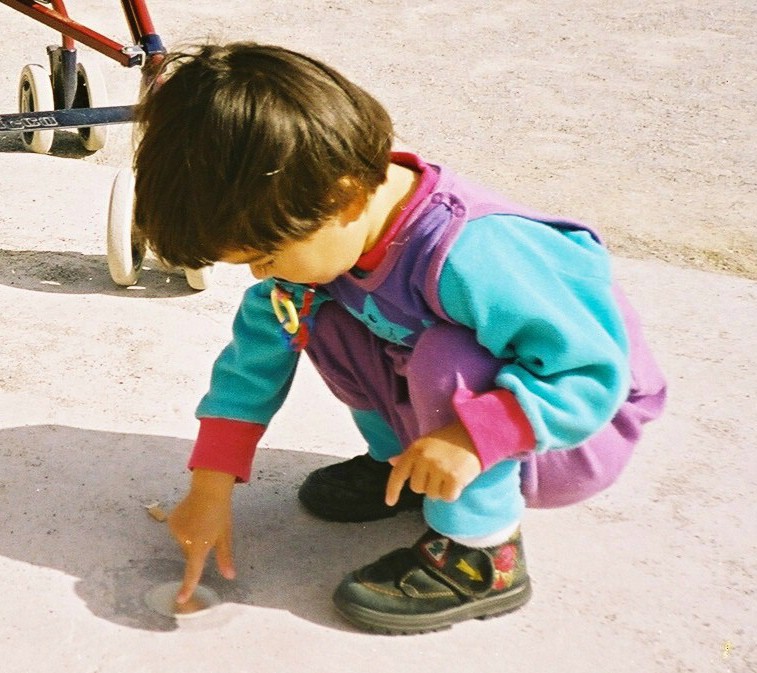
Les universités et les cliniques ont commencé à publier des normes d’âge et des règles d’hygiène.
Bowlby, Ainsworth et Baumrind ont remodelé la manière dont la proximité et les limites étaient abordées.
Les métaphores des neurosciences et les programmes internationaux de DPE sont entrés dans la culture parentale.
Les réseaux sociaux accélèrent les guerres de méthodes ; les examens des données probantes ont du mal à suivre le rythme.
Approaches that faded, flipped or were replaced as evidence and culture moved on.
Los modelos de control severo se desvanecieron a medida que el juego dirigido por niños y la investigación sobre los vínculos relacionales vincularon la calidez con mejores resultados.
Les parents s’attendent à ce qu’ils gèrent leur propre excitation lorsqu’ils enseignent à leurs enfants – et pas seulement à appliquer les règles.
Les normes de l’OMS et de l’UNICEF interagissent avec les systèmes de parenté locaux dans le monde entier.
El discurso actual sobre juego y conexión combina los estándares globales de la OMS con prácticas de parentesco locales y medios algorítmicos para la crianza de los hijos.
Ver el mundo interior del niño: la empatía de los padres predice el éxito del apego seguro y el entrenamiento emocional en todas las culturas.
Preuves 88 🔁Mismas reglas, misma calma: las ciencias del comportamiento muestran que los niños aprenden más rápido cuando las respuestas de los cuidadores son predecibles y alineadas.
Preuves 86 👁️Calidad de atención sobre cantidad de horas: presencia significa compromiso sin distracciones, no perfección o entretenimiento constante.
Preuves 72 💬Cómo hablan las familias: las investigaciones de Faber y Mazlish, Gordon y Gottman vinculan los patrones de comunicación con el conflicto y la cercanía.
Preuves 90 🧘Gestionar la propia excitación antes de guiar a un niño: la autorregulación de los padres media el impacto del estrés en la calidad de la disciplina.
Preuves 87