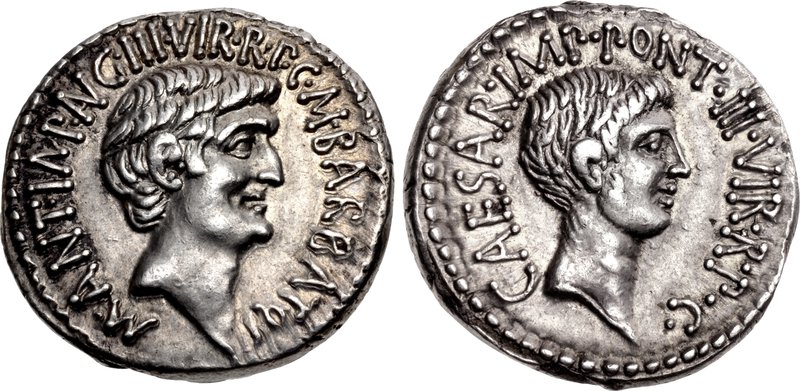
211 BCE origin
Foundation
Rome introduced the denarius during the Second Punic War, creating a silver unit that structured Mediterranean prices for centuries.
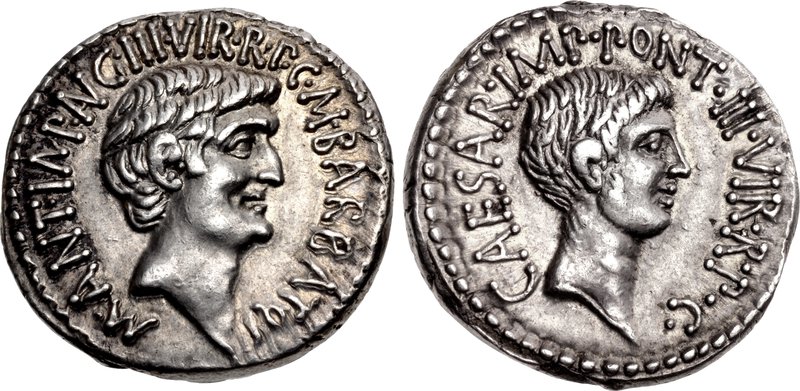
Roman denarius · The silver backbone of Republican and early Imperial Roman money.
Milestones in order. This is history, not a weekly activity grid.
Darker cells mean a higher score for this topic on that metric.
LessMore
Last reviewed Sources & creditsMedia creditsMethodology
Roman denarius (historical unit) is issued or defined under Roman mint magistrates. The silver backbone of Republican and early Imperial Roman money.
Roman state sets monetary policy and oversees the unit; physical production involves Rome / imperial mints.
No. Tool-Lifes /money is a static educational atlas. It explains regimes, history and design without live tickers.
Global importance comes from trade invoicing, reserve holdings, financial contracts and migrant remittances — measured here as relative scores, not prices.
It ranks how heavily central banks and global finance rely on this unit compared with others in the atlas — an editorial 0–100 score.
The Design chapter covers major note and coin types; images come from Wikimedia Commons when a free licence is available.
Roman denarius did not appear fully formed. Rome introduced the denarius during the Second Punic War, creating a silver unit that structured Mediterranean prices for centuries.
Later reforms — decimalisation, central-bank charters, pegs and floats — matter as much as the founding date for how the unit behaves now.
Rome introduced the denarius during the Second Punic War, creating a silver unit that structured Mediterranean prices for centuries.
Second Punic War silver unit.
Relationship to bronze adjusted.
Coinage becomes political propaganda.
Imperial system stabilises denominations.
Weight and fineness cut.
New radiate denomination.
Silvering becomes token.
Currency reform attempt.
Gold solidus eclipses silver.
Denarius lives on in d and penny names.
Rome introduced the denarius during the Second Punic War, creating a silver unit that structured Mediterranean prices for centuries.
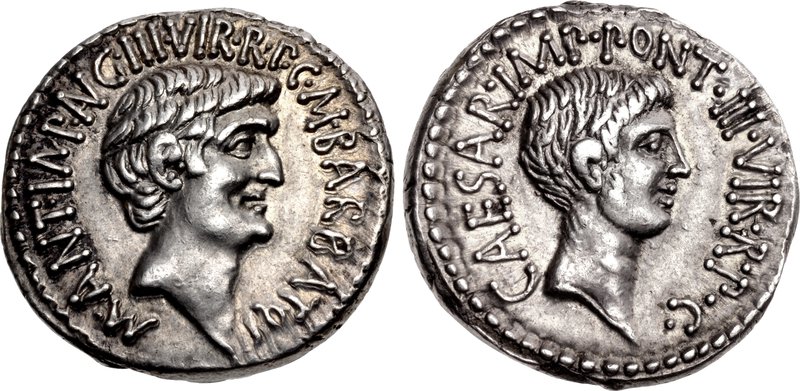
Roman denarius became embedded in trade, tax and daily prices in its core territory.
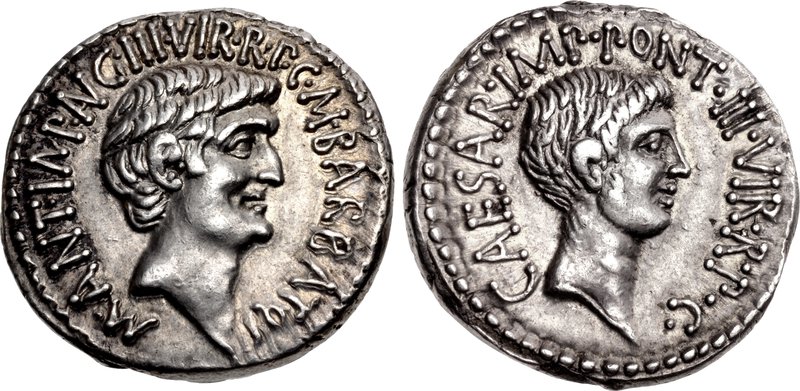
Central banking, note series and FX regimes modernised how the unit worked.
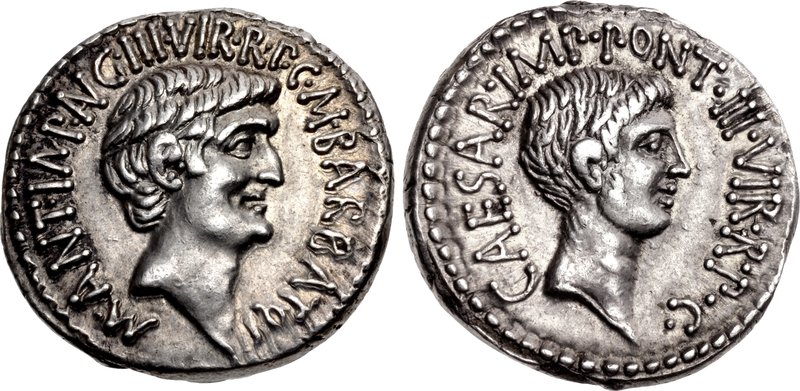
Crises and reforms redefined convertibility, pegs or floats.
Cards, instant payments and CBDC debates reshape how balances move.
Legal creation or major restatement of Roman denarius as a unit of account.
Roman state (or its predecessor) took primary responsibility for note issue and monetary stability.
Peg, basket or float arrangements were redefined as capital flows and inflation targets evolved.
Understanding Roman denarius starts with its legal birth and the crises that forced redesigns of convertibility and trust.