1821 origin
Foundation
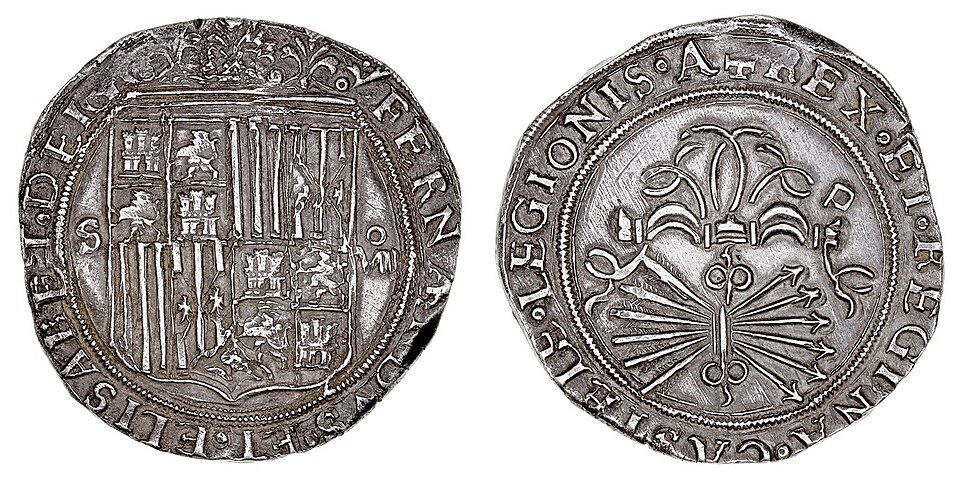
Independent Mexico continued the peso of eight reales; the modern nuevo peso (MXN) arrived in 1993 after inflation.
Mexican peso · Heir to the Spanish dollar — still a major emerging-market FX currency.
Milestones in order. This is history, not a weekly activity grid.
Darker cells mean a higher score for this topic on that metric.
LessMore
Last reviewed Sources & creditsMedia creditsMethodology
Mexican peso (MXN) is issued or defined under Bank of Mexico. Heir to the Spanish dollar — still a major emerging-market FX currency.
Banco de México sets monetary policy and oversees the unit; physical production involves Mexican Mint.
No. Tool-Lifes /money is a static educational atlas. It explains regimes, history and design without live tickers.
Global importance comes from trade invoicing, reserve holdings, financial contracts and migrant remittances — measured here as relative scores, not prices.
It ranks how heavily central banks and global finance rely on this unit compared with others in the atlas — an editorial 0–100 score.
The Design chapter covers major note and coin types; images come from Wikimedia Commons when a free licence is available.
Mexican peso did not appear fully formed. Independent Mexico continued the peso of eight reales; the modern nuevo peso (MXN) arrived in 1993 after inflation.
Later reforms — decimalisation, central-bank charters, pegs and floats — matter as much as the founding date for how the unit behaves now.
Independent Mexico continued the peso of eight reales; the modern nuevo peso (MXN) arrived in 1993 after inflation.
Peso continues after independence.
Monetary standard adjustments.
Long peg era ends in crisis.
Default and FX collapse.
Peso crisis after peg bands fail.
Modern floating MXN.
Three zeros struck (new peso).
Deep local-market development.
Trade uncertainty swings peso.
EM risk-off hits MXN hard.
Independent Mexico continued the peso of eight reales; the modern nuevo peso (MXN) arrived in 1993 after inflation.

Mexican peso became embedded in trade, tax and daily prices in its core territory.
Central banking, note series and FX regimes modernised how the unit worked.

Crises and reforms redefined convertibility, pegs or floats.

Cards, instant payments and CBDC debates reshape how balances move.
Legal creation or major restatement of Mexican peso as a unit of account.
Banco de México (or its predecessor) took primary responsibility for note issue and monetary stability.
Peg, basket or float arrangements were redefined as capital flows and inflation targets evolved.
Understanding Mexican peso starts with its legal birth and the crises that forced redesigns of convertibility and trust.