At a glance
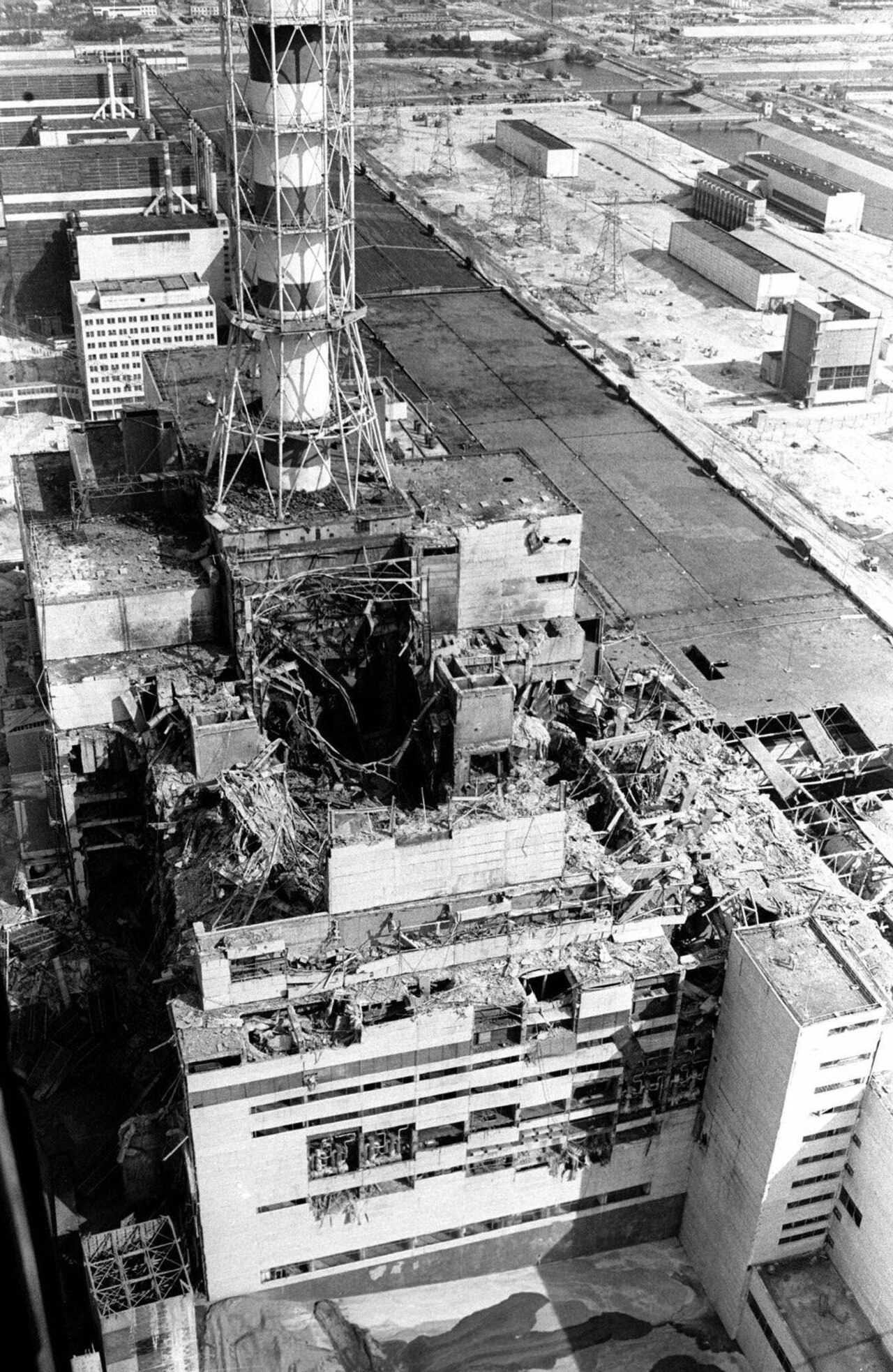
Firefighters and plant staff entered the ruined block in the first hours. UNSCEAR’s 2008 annex describes 134 confirmed acute radiation syndrome cases among them, 28 fatal within four months, plus the two blast deaths. There were no ARS cases in the general public. Pripyat’s roughly 49,000 residents were told to take a three-day leave on 27 April.
Atlas Verification Checklist
0 / 4 verifiedCheck each criteria to confirm findings against the atlas verdict.
Chernobyl disaster · paras 2
When the emergency-protection (AZ-5) command was given, the RBMK’s graphite-tipped rods briefly added reactivity at the core bottom. Power rose in a fraction of a second. Steam explosions and a graphite fire followed. This page does not reconstruct a procedure that could be copied; the public record is the sequence as later reconstructed by INSAG and Soviet investigators.
Chernobyl disaster · paras 1
Firefighters and plant staff entered the ruined block in the first hours. UNSCEAR’s 2008 annex describes 134 confirmed acute radiation syndrome cases among them, 28 fatal within four months, plus the two blast deaths. There were no ARS cases in the general public. Pripyat’s roughly 49,000 residents were told to take a three-day leave on 27 April.
Chernobyl disaster · paras 2
About 116,000 people were relocated from the most contaminated areas in 1986; later programmes brought the figure of people moved over the years to the order of 350,000 (UNSCEAR). Several hundred thousand recovery workers, often called liquidators, received recorded occupational doses. Sweden’s Forsmark plant alarmed on 28 April and forced Moscow’s first public statement.
Chernobyl disaster · paras 1
INSAG-1, written in 1986 from incomplete Soviet data, blamed operators. INSAG-7 in 1992, after RBMK design details were shared, named the positive void coefficient, the control-rod design and a missing containment as decisive, with safety culture as the organisational cause. The 1987 trial of Viktor Bryukhanov, Nikolai Fomin and Anatoly Dyatlov still treated the night shift as criminally negligent.
This is a reading check for the atlas, not personal advice, a live price, or a booking. It does not replace the full topic page.
What is the next question after this?
About 116,000 people were relocated from the most contaminated areas in 1986; later programmes brought the figure of people moved over the years to the order of 350,000 (UNSCEAR). Several hundred thousand recovery workers, often called liquidators, received recorded occupational doses. Sweden’s Forsmark plant alarmed on 28 April and forced Moscow’s first public statement.
Does this page rank people or nations?
This is a reading check for the atlas, not personal advice, a live price, or a booking. It does not replace the full topic page.
Where is the longer entry?
INSAG-1, written in 1986 from incomplete Soviet data, blamed operators. INSAG-7 in 1992, after RBMK design details were shared, named the positive void coefficient, the control-rod design and a missing containment as decisive, with safety culture as the organisational cause. The 1987 trial of Viktor Bryukhanov, Nikolai Fomin and Anatoly Dyatlov still treated the night shift as criminally negligent.
Next question: D.B. Cooper · Open the topic: Chernobyl disaster