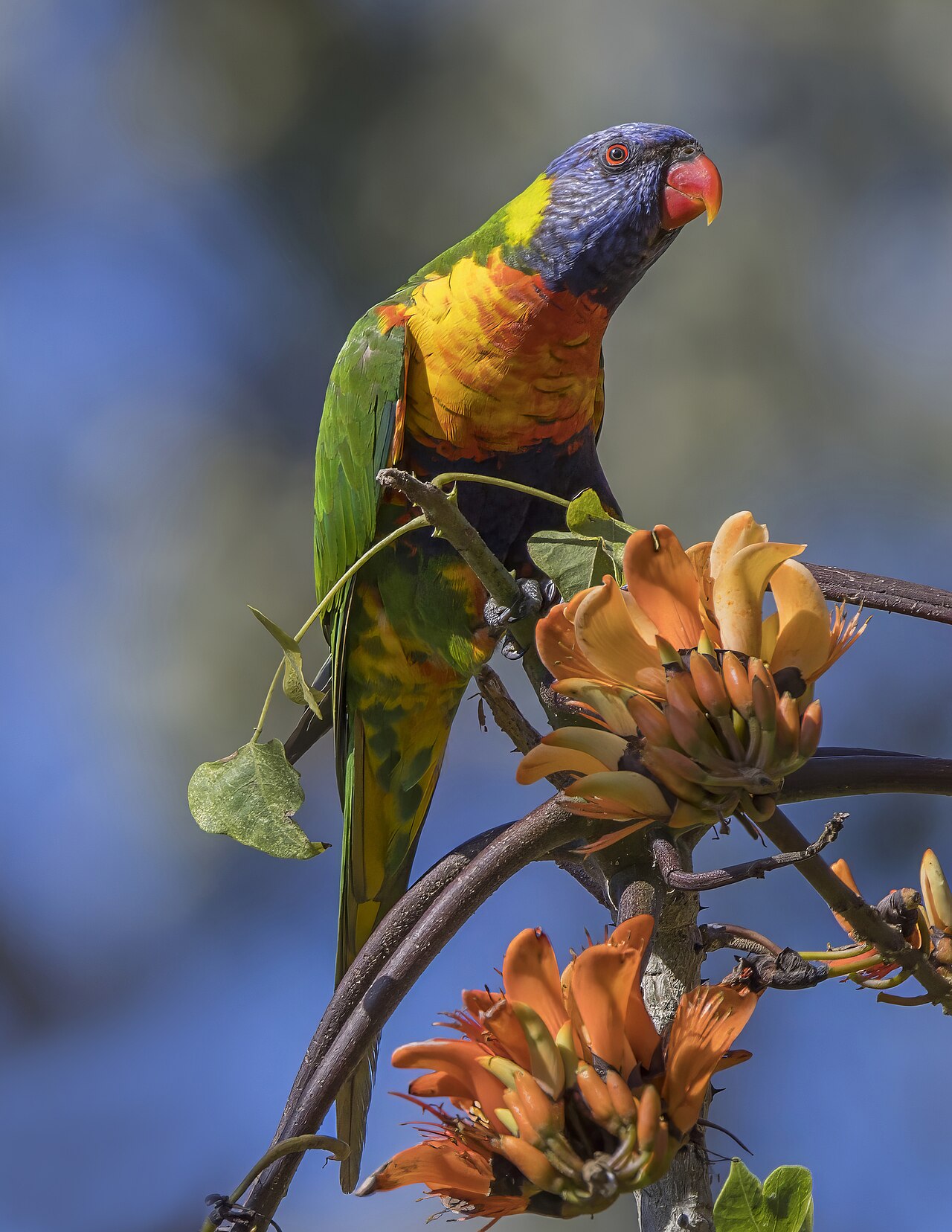
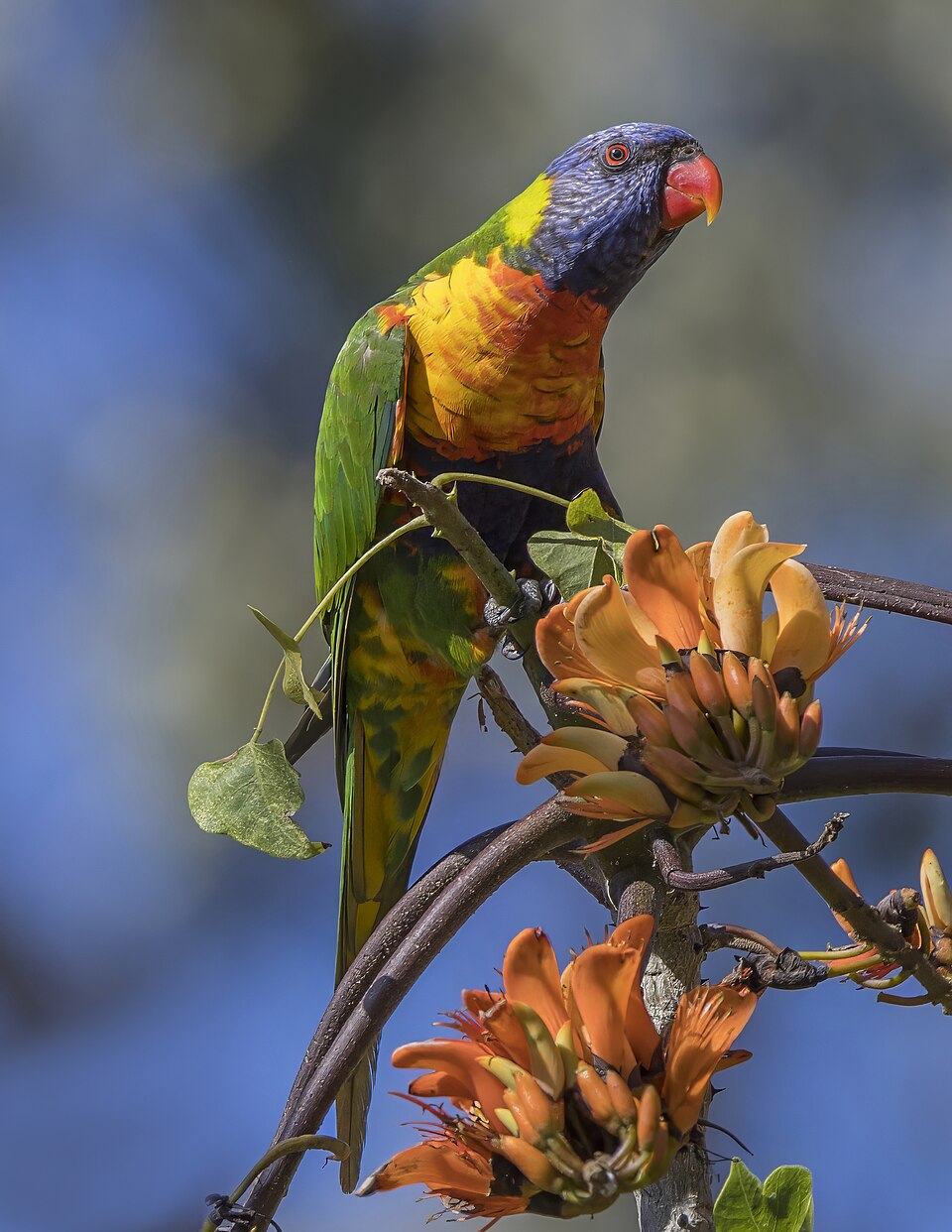
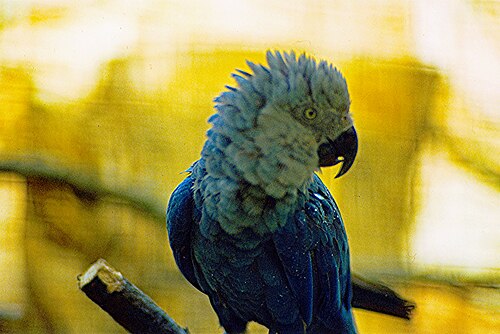
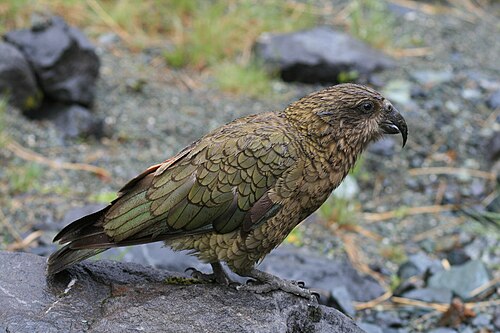
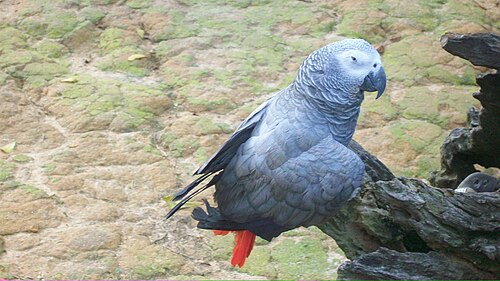
Попугай — один из двадцати четырёх видов этого атласа. Это не каталог: эволюция, анатомия, поведение, культура, иконы, охрана и ареал — одна система.
Баллы сравнивают скорость, интеллект, ареал, устойчивость, культурное влияние и экологическую роль. Это редакционные относительные оценки, не лабораторный рейтинг.
Семь глав углубляются: истоки, тело и чувства, жизнь и поведение, культура, иконы, давление охраны и ареал, который делят люди.
Глубокое введение
Погружение: Попугай
Попугай — не животное с открытки. Это набор популяций, подвидов и человеческих правил внутри семейства птицы этого атласа.
Разнообразие, тела, культура и ареалы — плюс линза этого языкового региона.
Разнообразие внутри типа
Полевые определители сжимают многие линии в слово «Попугай». Подвиды, пролётные пути и captive-линии не делят одну судьбу.
Этот атлас берёт заголовок Википедии как главное изображение и оставляет остальные категории на виду, чтобы восстановленный запас не отмыл критически угрожаемого родича.
Life in the landscape
A kinetic upper mandible, zygodactyl feet and a muscular tongue. The skull is built to crack and to climb; the syrinx is built to learn.
Fruits, seeds, nectar and clay licks. Large macaws commute to palm stands; kakapo browse night vegetation on a low metabolic budget.
Культура и смысл
Кино, закон, геральдика, зоопарки и местный рассказ встретили Попугай. Эти образы двигают деньги; это не полевая перепись.
Глава о культуре датирует плакаты и законы, чтобы фильм 1975 года или логотип 1961-го не притворялись Красным списком 2020-х.
Conservation and money
African greys, macaws and kakapo sit on the threatened side; some urban parakeets are booming.
Tourism, conflict payments, quotas and captive loans are dated economic bands in the market chapter -- not live prices and not a best-species prize.
Глубокое погружение в науки о жизни
Биология вглубь: Попугай
Биология Попугай — слой структуры, энергии, чувств и жёстких пределов. Четыре раздела ниже — те же заголовки атласа, чтобы сравнивать без рамки лучший вид.
Анатомия, чувства, поведение и пределы — плюс полевой язык этого региона.
Structure
A kinetic upper mandible, zygodactyl feet and a muscular tongue. The skull is built to crack and to climb; the syrinx is built to learn.
Load paths and tissues (not metals) are expanded in the anatomy chapter.
Energy and foraging
Fruits, seeds, nectar and clay licks. Large macaws commute to palm stands; kakapo browse night vegetation on a low metabolic budget.
The how-it-works diagrams reduce that budget to a six-node loop.
Senses and control
High visual acuity and UV plumage signals. Vocal learning is the social sense that made the cage trade inevitable.
Control here means the animal steering itself -- not a vehicle ECU.
Limits
Cavity trees and legal trade loopholes. Long lives in cages do not replace wild recruitment.
Resilience scores encode those limits relative to the other 23 types.
Irene Pepperberg’s papers treated English tokens as categories, not circus tricks. Alex (1976–2007) identified colours, shapes and same/different above chance. The debate is about the ceiling, not whether the tasks happened.
Why did African greys move to CITES Appendix I in 2017?
Wild capture for pets plus forest loss cut Psittacus erithacus. Appendix I ended most commercial international trade in wild greys.
What is the kakapo recovery model?
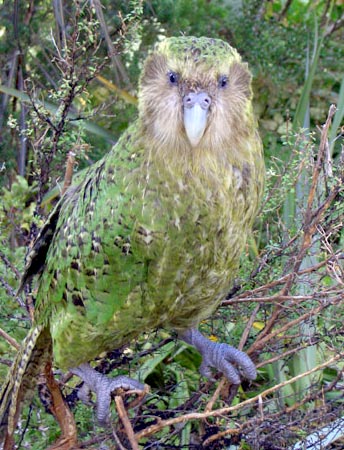
Every Strigops is named and managed on predator-free New Zealand islands. Supplementary feeding and nest cameras make it closer to intensive care than to a hands-off reserve.
Are London’s ring-necked parakeets a conservation win?
They are an introduced boom, not a restored native. Cavity competition with starlings and bats is the local argument.
Why do so many macaws remain threatened?
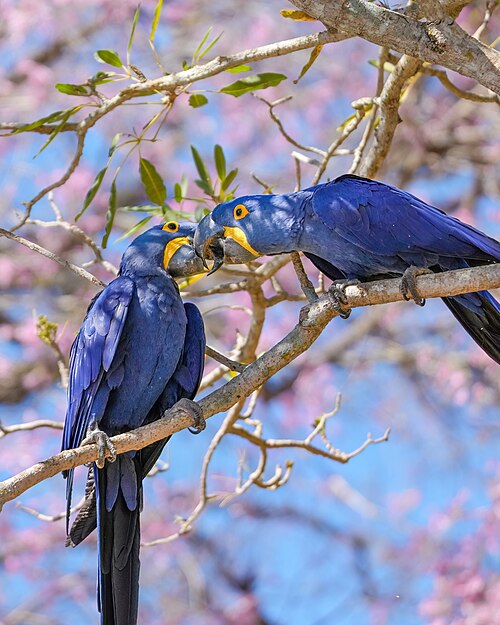
Cavity trees come down with forest. The pet trade added a second cut. Spix’s macaw went extinct in the wild before a 2019–20s reintroduction attempt in Bahia.
Do parrots “talk” in the wild?
They learn contact calls in flocks. Human-word mimicry is the lab and living-room version of a general vocal-learning kit shared with songbirds and hummingbirds.
What did the World Parrot Trust change?
Since 1989 it funded trade research, in-situ projects and the journal PsittaScene — a counterweight to avicultural magazines.
Is a hooked bill only for cracking?
Kea pry, lories brush nectar, and hyacinth macaws crack palm nuts. The bill is a Swiss-army kinetic tool, not a single nutcracker.
Роль, не победитель
Грамотность охраны природы. Не живой запрос IUCN.
Встроить этот рейтинг
Вставьте этот код в свой блог или на сайт — рейтинг всегда актуален.
Скопировано!
Похожие виды
Ближайшие соседи на шести осях — скорость, интеллект, ареал, устойчивость, культура и экологическая роль.