Hashim Khan
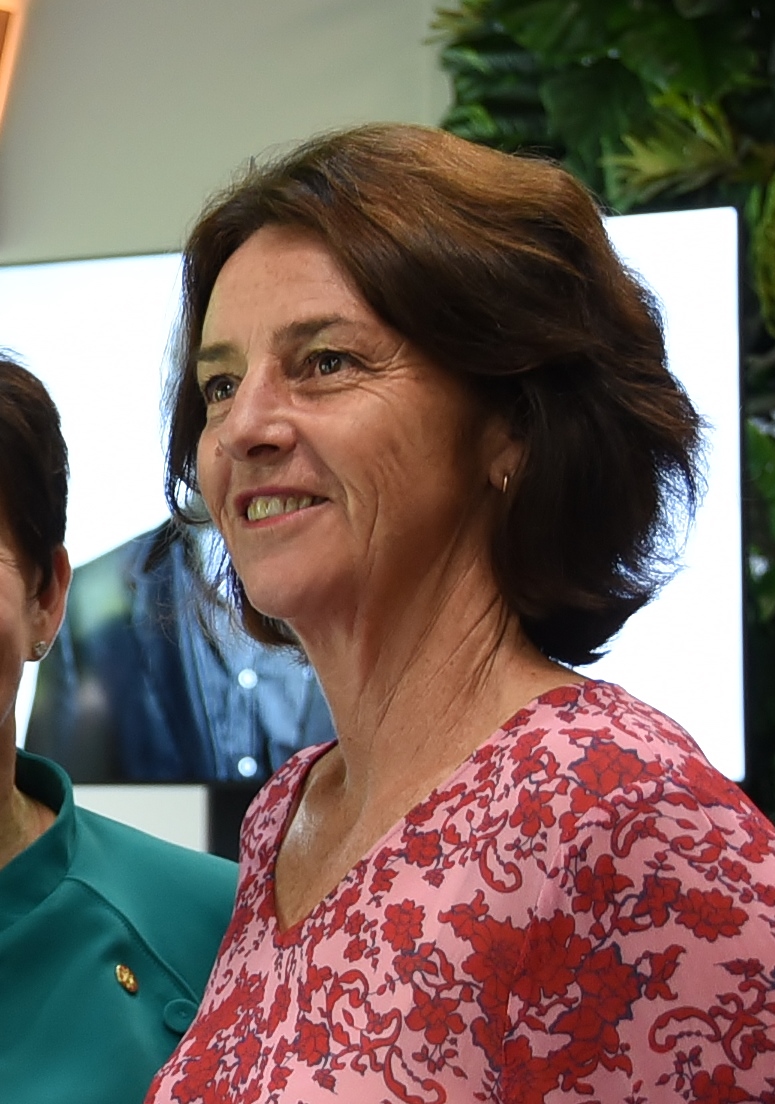
Susan Devoy
Stat by stat
Bars are scaled to the leader in this list.
The verdict
Susan Devoy leads 3 of 4 categories. Our all-time ranking places Hashim Khan at #6 and Susan Devoy at #7.
Head-to-head FAQ
Who leads more shared metrics?
How do the published ranks compare?
Are these live stats?
The case for Hashim Khan
The founder. A court professional from Nawakille near Peshawar who learned the game as a ball boy on British army courts, Hashim Khan flew to England in 1951, aged around 35 — his birth year is disputed between 1914 and 1916 — and won the British Open at his first attempt. He took seven British Open titles in eight years, the last in 1958, when he was in his forties, and continued winning North American professional events into his fifties after moving to Detroit. The World Open did not exist in his time, so his major count understates him. His real legacy is dynastic: brother Azam Khan won four British Opens, cousin Roshan Khan won in 1957, nephew Mohibullah followed, and Roshan's son Jahangir became the greatest player of all. Pakistani squash held the sport's summit for four decades and every strand of it traces back to him.
The case for Susan Devoy
The player who held the women's game together between Heather McKay and the Australians, and one of the shortest, most concentrated great careers in the sport. Devoy won eight British Opens between 1984 and 1992, seven of them consecutively, and four World Opens in 1985, 1987, 1990 and 1992 — twelve majors in barely a decade. She was world number one for almost the entire stretch from 1984 to her retirement, which came at 28, immediately after winning both the British Open and the World Open in the same year, a departure at the absolute summit that is almost unheard of in professional sport. Her game was aggressive by the standards of the period, built on early volleying and a willingness to attack the front court rather than grind. She was later made a Dame and served as New Zealand's Race Relations Commissioner, and remains the country's most successful racket-sport athlete.