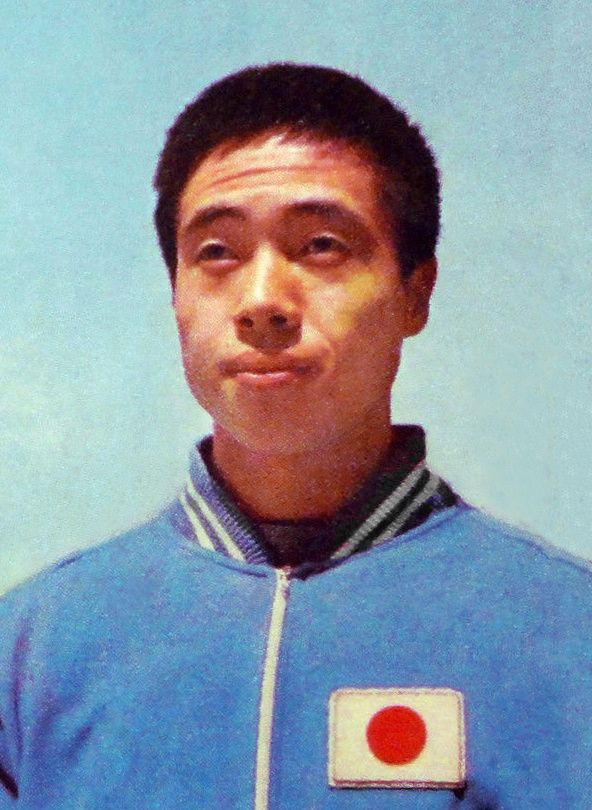
Sawao Kato
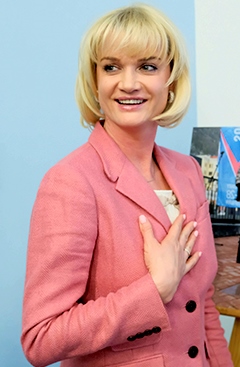
Svetlana Khorkina
Stat by stat
Bars are scaled to the leader in this list.
The verdict
Dead even across the measured categories. Our all-time ranking places Sawao Kato at #8 and Svetlana Khorkina at #10.
Head-to-head FAQ
Who leads more shared metrics?
How do the published ranks compare?
Are these live stats?
The case for Sawao Kato
No male gymnast has won more Olympic gold medals. Kato took eight golds and 12 medals in total across Mexico City 1968, Munich 1972 and Montreal 1976, and he is one of only two men to win the Olympic all-around title twice in the modern era, taking it in 1968 and 1972. He was the central figure in the most durable dynasty the men's sport has produced: Japan won five consecutive Olympic team titles from 1960 to 1976, and Kato was on the last three of them. His strength was parallel bars, where he won gold in both 1972 and 1976, but his reputation rested on a technical purity that Japanese coaching has pursued ever since — the priority on line, amplitude and stuck landings that Kohei Uchimura would inherit two generations later. He competed the 1972 Games with a shoulder injury that would have ended most careers and still won three golds.
The case for Svetlana Khorkina
The most successful uneven bars gymnast in history and the last great stylist of the 10.0 era. Khorkina won three world all-around titles — 1997, 2001 and 2003 — a record for a woman until Biles, and took 20 World Championship medals including nine golds. Her two Olympic titles both came on uneven bars, in Atlanta in 1996 and Sydney in 2000, and she finished with seven Olympic medals. At 1.65 metres she was far taller than the sport's template, which made her a liability on vault and beam but gave her uneven bars work an amplitude nobody could copy; several elements in the Code of Points carry her name. Her career also captured the era's controversies, from the miscalibrated vaulting horse that wrecked the 2000 Olympic all-around final to her outspoken and often bitter public criticism of the judging that denied her the one title she wanted most.