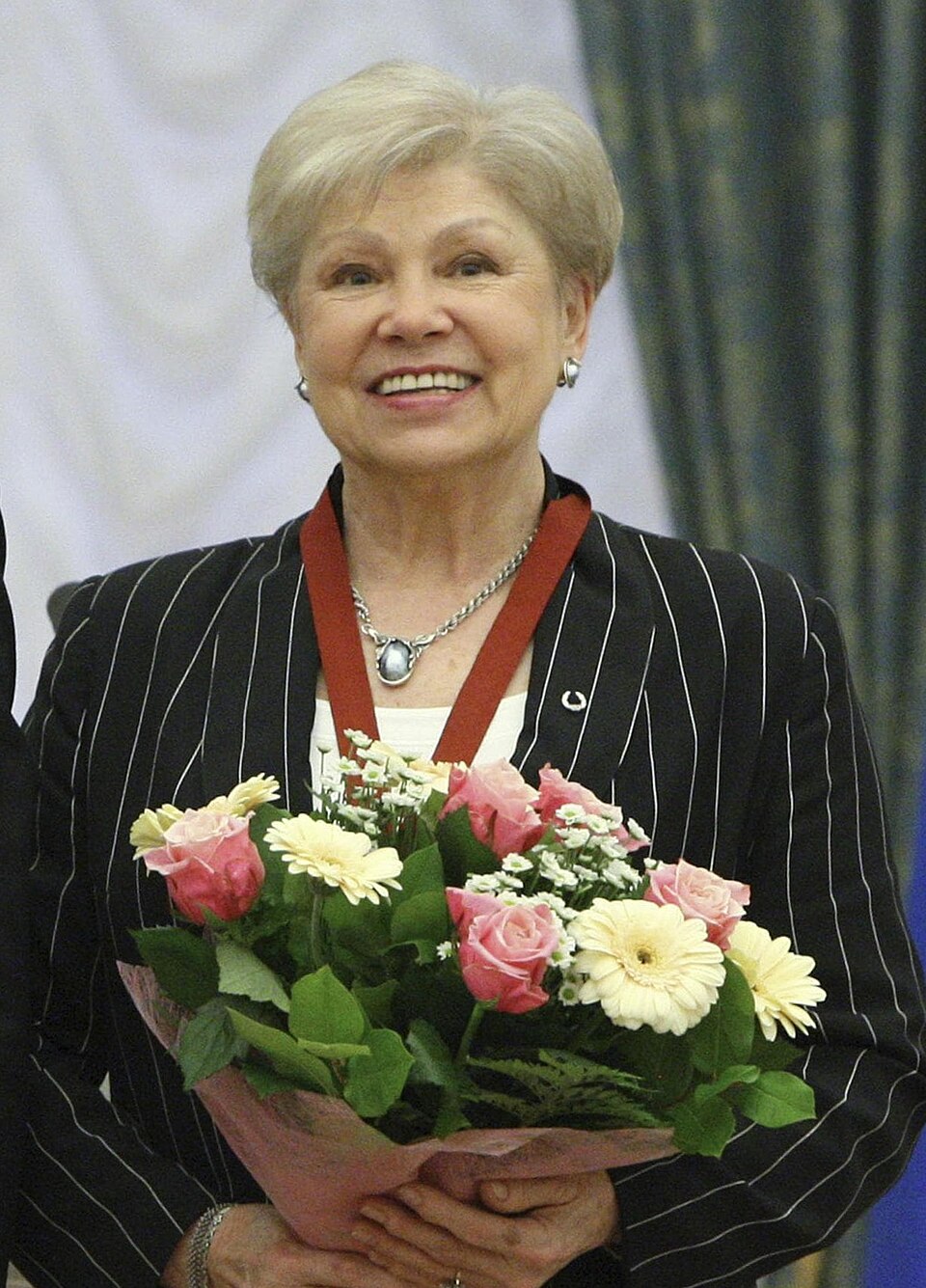
Larisa Latynina
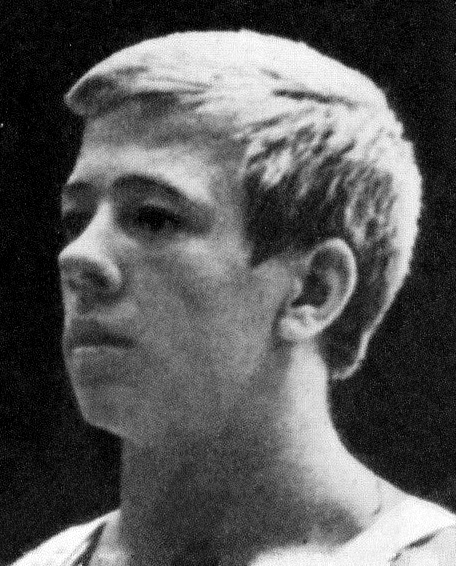
Nikolai Andrianov
Stat by stat
Bars are scaled to the leader in this list.
The verdict
Larisa Latynina leads 4 of 4 categories. Our all-time ranking places Larisa Latynina at #2 and Nikolai Andrianov at #5.
Head-to-head FAQ
Who leads more shared metrics?
How do the published ranks compare?
Are these live stats?
The case for Larisa Latynina
For 48 years she held the record for the most Olympic medals won by any athlete in any sport. Latynina took 18 across three Games — nine gold, five silver and four bronze in 1956, 1960 and 1964 — a total not surpassed until Michael Phelps in 2012, and still the record for a gymnast. She won the Olympic all-around in Melbourne in 1956 and again in Rome in 1960, added world all-around titles in 1958 and 1962, and finished with 14 World Championship medals including nine golds. She competed the entire 1958 World Championships while several months pregnant and won the all-around. Her era offered more medal opportunities than today's, but she also faced the strongest gymnastics nation on earth in her own selection trials, and after retiring she coached the Soviet women's team to three consecutive Olympic team titles from 1968 to 1976.
The case for Nikolai Andrianov
The most decorated male gymnast in Olympic history, with 15 medals across three Games — seven gold, five silver and three bronze between 1972, 1976 and 1980 — a total that stood as the record for any male Olympian in any sport until Michael Phelps. Montreal 1976 was his masterpiece: he won the all-around, floor, rings and vault, taking four golds at a single Games in an era when Japan owned the men's team title. He added the world all-around crown in Strasbourg in 1978 and finished with 12 World Championship medals. Andrianov was the first great male all-arounder of the television age, technically complete across all six apparatus at a time when the Soviet system generally produced specialists, and he combined the vaulting power of a tumbler with the shoulder strength required for rings — a combination that remains rare. He later coached in Japan, where his influence fed directly into the country's subsequent revival.