Pré-1900
Era del parto en casa
La mayoría de los partos ocurrieron en casa con parteras; la mortalidad neonatal fue alta y la incubación rara.
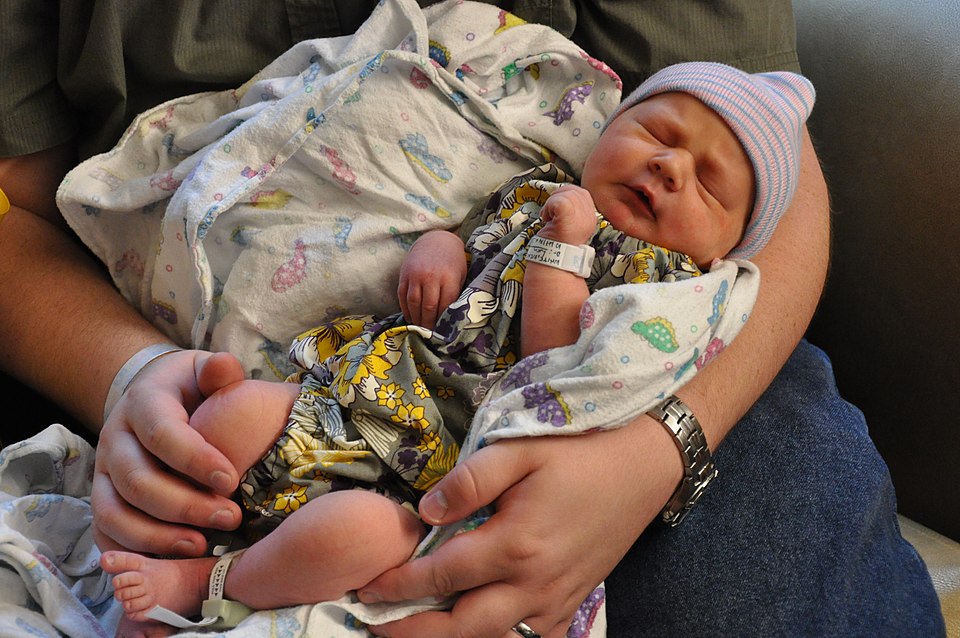
Recién nacido · Los primeros 28 días después del nacimiento: fisiología, vínculos, ritmos de alimentación y el paso del útero al mundo.
Marcos em ordem. E historia, nao uma grelha semanal.
Celulas mais escuras marcam uma pontuacao mais alta nesse indicador.
MenosMais
Ultima revisao Fontes e creditosCréditos de mídiaMetodologia
La mayoría de los médicos utilizan 28 días; algunos se extienden hasta seis semanas cuando los cólicos y los patrones de alimentación se estabilizan.
Aproximadamente entre 14 y 17 horas cada 24, en períodos cortos: los ciclos de vigilia son normales y no son un signo de falta de entrenamiento para dormir.
Sí, especialmente por las tardes durante las primeras semanas; apoya el suministro de leche y el crecimiento acelerado en lugar de indicar únicamente una cantidad insuficiente de leche.
La fiebre en bebés menores de tres meses, la mala alimentación, la menor cantidad de pañales mojados, la piel amarillenta o la dificultad para respirar justifican una revisión urgente.
Hay pruebas sólidas que vinculan el contacto piel con piel inmediato y continuo con la estabilidad de la temperatura, el éxito de la lactancia materna y la sincronía entre padres e hijos.
Limite la exposición en las primeras semanas; La higiene de manos y el estado de vacunación de los visitantes reducen el riesgo de infección para sistemas inmunológicos inmaduros.
La atención del recién nacido pasó de la partería domiciliaria a las guarderías hospitalarias en el siglo XX, y luego volvió a modelos de alojamiento conjunto y centrados en la familia.
Cada turno (separación, investigación sobre el vínculo, cuidado canguro) cambió lo que se les dijo a los padres que hicieran en las primeras horas y días.
La atención moderna a los recién nacidos cristalizó cuando los partos en hospitales se volvieron comunes; La tecnología de las incubadoras (Couney, 1900) y más tarde el método Madre Canguro de la OMS (década de 1970, Bogotá) remodelaron la forma en que se sostiene y alimenta a los bebés frágiles.
Martin Couney exhibió bebés prematuros en incubadoras en ferias, popularizando la tecnología de calor neonatal.
John Bowlby vinculó la separación temprana de las madres con la angustia posterior, desafiando las normas de las guarderías hospitalarias.
Mary Ainsworth inició un trabajo de observación en Uganda que condujo a la clasificación del apego.
Edgar Rey Sanabria en Bogotá demostró que el contacto piel con piel puede estabilizar a los bebés prematuros sin costosas incubadoras.
La campaña de la Academia Estadounidense de Pediatría redujo el SMSL al recomendar la posición supina para dormir.
La OMS promovió el método madre canguro en todo el mundo para los lactantes prematuros y con bajo peso al nacer.
La Iniciativa de Hospitales Amigos del Niño amplió las normas de alojamiento conjunto y apoyo a la lactancia materna.
El pediatra Harvey Karp popularizó el encuadre del "cuarto trimestre" para los primeros tres meses.
Las reglas de la pandemia restringieron temporalmente las parejas y el contacto piel con piel en algunos hospitales de todo el mundo.
Los países de la OCDE ampliaron las discusiones sobre licencias remuneradas citando datos sobre la salud de los recién nacidos y la recuperación materna.
La mayoría de los partos ocurrieron en casa con parteras; la mortalidad neonatal fue alta y la incubación rara.
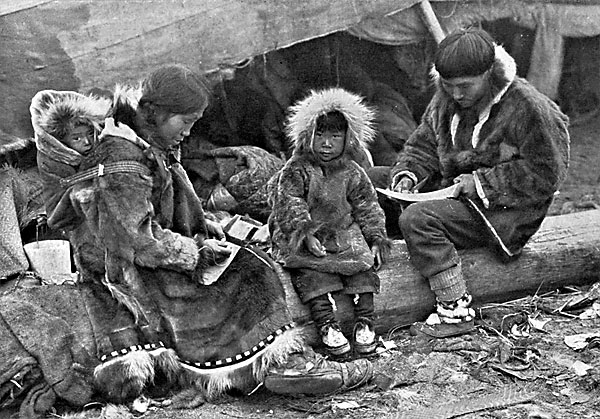
Aumentó la natalidad institucional; Los bebés a menudo permanecen en salas de guardería lejos de sus madres durante la noche.
Bowlby, Klaus & Kennell y Ainsworth cambiaron la política hacia el contacto temprano y la presencia materna.
El método canguro y las prácticas amigables con los bebés se extendieron desde Colombia y la OMS a las UCIN de todo el mundo.
Las habitaciones unifamiliares, la presencia de los padres en cuidados intensivos y el lenguaje del cuarto trimestre dominan el discurso.
Approaches that faded, flipped or were replaced as evidence and culture moved on.
La alimentación horaria dio paso a una orientación receptiva sobre la lactancia materna a medida que la ciencia de la lactancia maduró.
El consejo anterior sobre la posición boca abajo se revirtió después de que la epidemiología del SMSL vinculara dormir boca abajo con un mayor riesgo.
La separación inmediata entre madre e hijo para pesarlos y bañarlos disminuyó a medida que se acumuló evidencia de vínculo afectivo.
El período neonatal actual se sitúa entre la medicina neonatal de alta tecnología y un énfasis renovado en la proximidad, la alimentación según las indicaciones y la presencia de los padres.
De un mes a doce meses: hitos motores, primeros alimentos, profundización del apego y patrones de sueño emergentes.
Evidência 90 🧸Andar, falar e testar limites — os anos da criança pequena combinam explosão motora, surtos de linguagem e luta por autonomia.
Evidência 85 ✏️Brincadeira imaginativa, relações com pares e preparação escolar — o pré-escolar é fase de crescimento social e autorregulação.
Evidência 82 📚Pares, escola e autoconceito — a idade escolar forma identidade entre o mundo da escola e o lar.
Evidência 78 🧑🎓Identidade, autonomia e risco — a adolescência combina reorganização cerebral e desejo de independência social.
Evidência 80