1994 origin
Foundation
The real launched on 1 July 1994 under the Plano Real, replacing the cruzeiro real and anchoring prices with a new unit.
시간 순 이정표입니다. 주간 활동 격자가 아닙니다.
진한 칸일수록 이 직업에서 해당 지표가 높습니다.
낮음높음
브라질 헤알(BRL)은 Central Bank of Brazil 체계 아래에서 정의된다. 브라질 헤알 — 역사, 디자인, 중앙은행, 외환 역할과 위기를 담은 도감 항목.
Banco Central do Brasil가 통화정책을 이끌고, 제조는 Casa da Moeda와 관련된다.
아니다. Tool-Lifes /money는 정적 교육 도감이며 실시간 시세를 제공하지 않는다.
무역 결제, 준비자산, 금융 계약, 송금 등에서 쓰이는 정도가 글로벌 중요도를 만든다.
중앙은행과 글로벌 금융이 이 단위에 얼마나 의존하는지를 도감 내에서 0–100으로 비교한 값이다.
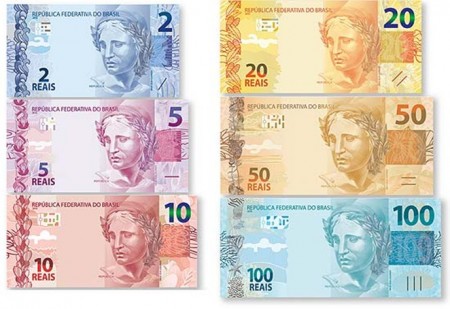
디자인 챕터에서 주요 권종을 다루며, 이미지는 자유 라이선스가 있을 때 위키미디어 공용에서 온다.
BRL R$
브라질 헤알 did not appear fully formed. The real launched on 1 July 1994 under the Plano Real, replacing the cruzeiro real and anchoring prices with a new unit.
Later reforms — decimalisation, central-bank charters, pegs and floats — matter as much as the founding date for how the unit behaves now.
The real launched on 1 July 1994 under the Plano Real, replacing the cruzeiro real and anchoring prices with a new unit.
New currency ends hyperinflation.
Real floats after defence fails.
Political risk spikes FX.
Sudden stop then recovery.
Commodity supercycle strength.
Political crisis weakens real.
Uncertainty premium in FX.
Domestic shock hits prices.
BRL among hardest-hit EM FX.
Rate cycle and fiscal debate.
The real launched on 1 July 1994 under the Plano Real, replacing the cruzeiro real and anchoring prices with a new unit.
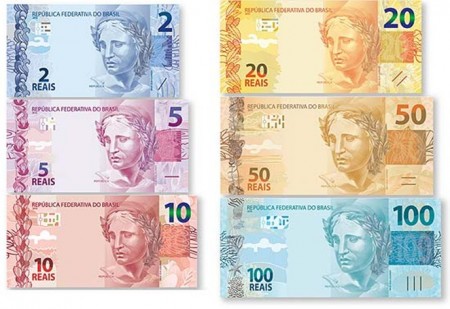
Brazilian real became embedded in trade, tax and daily prices in its core territory.
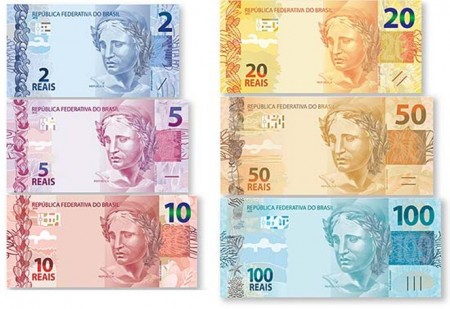
Central banking, note series and FX regimes modernised how the unit worked.
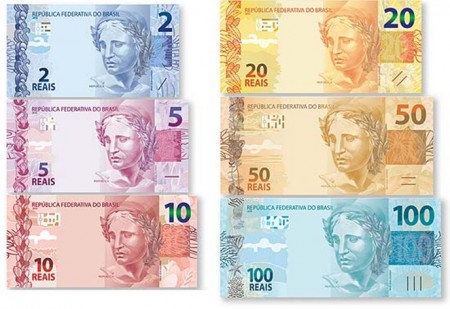
Crises and reforms redefined convertibility, pegs or floats.
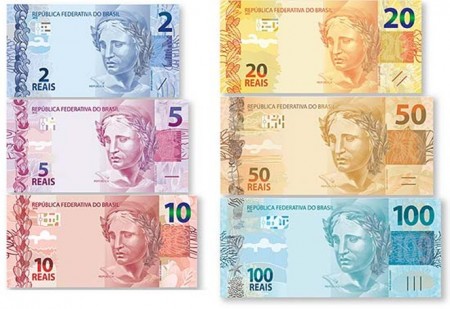
Cards, instant payments and CBDC debates reshape how balances move.
Legal creation or major restatement of Brazilian real as a unit of account.
Banco Central do Brasil (or its predecessor) took primary responsibility for note issue and monetary stability.
Peg, basket or float arrangements were redefined as capital flows and inflation targets evolved.
Understanding Brazilian real starts with its legal birth and the crises that forced redesigns of convertibility and trust.