At a glance
Police Officer · taglineThe sworn officer who patrols, investigates and keeps the peace, from…
Police Officer · The full-time, salaried, uniformed officer is a comparatively reThe full-time, salaried, uniformed officer is a comparatively recent…
Police Officer · This page follows the job from Rome's vigiles and London's hangeThis page follows the job from Rome's vigiles and London's hanged thief-taker…
Police Officer · What are the nine principles of policing?A set of guidelines commonly credited to Robert Peel but most likely written…
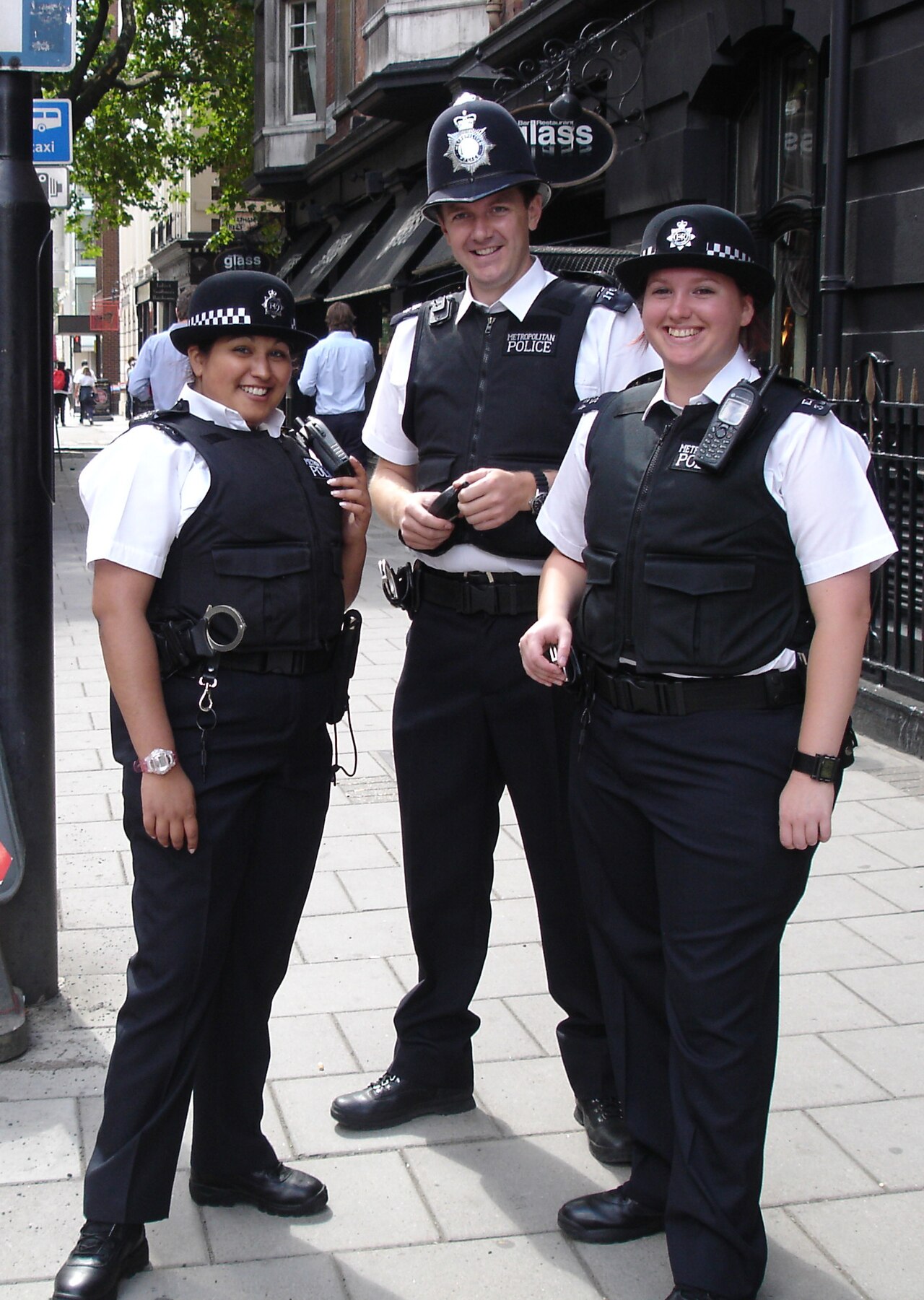
The full-time, salaried, uniformed officer is a comparatively recent invention. It grew out of a messier eighteenth-century transition — private, reward-driven thief-takers, Bow Street's paid Runners, Vidocq's ex-convict detectives in Paris — before Robert Peel's 1829 Metropolitan Police tried something new: a civilian force whose authority rested on earning public cooperation rather than compelling it by force.
Police Officer · tagline
The sworn officer who patrols, investigates and keeps the peace, from Vidocq's undercover detectives and Peel's 1829 constables to today's contested public trust. "Police" traces back to the Greek politeia, the ordering of a city's public life, and for most of history that ordering was everyone's job.
Police Officer · The full-time, salaried, uniformed officer is a comparatively re
The full-time, salaried, uniformed officer is a comparatively recent invention. It grew out of a messier eighteenth-century transition — private, reward-driven thief-takers, Bow Street's paid Runners, Vidocq's ex-convict detectives in Paris — before Robert Peel's 1829 Metropolitan Police tried something new: a civilian force whose authority rested on earning public cooperation rather than compelling it by force.
Police Officer · This page follows the job from Rome's vigiles and London's hange
This page follows the job from Rome's vigiles and London's hanged thief-taker Jonathan Wild through Peel's nine principles, Bertillon's and Vucetich's forensic breakthroughs, and Vollmer's scientific reforms, to Miranda rights, body cameras and the legitimacy crisis intensified by George Floyd's killing in 2020.
Police Officer · What are the nine principles of policing?
A set of guidelines commonly credited to Robert Peel but most likely written by London's first police commissioners, Charles Rowan and Richard Mayne, in 1829. They hold that police exist to prevent crime, depend on public approval, and use only the minimum necessary force — summarized in the line "the police are the public and the public are the police."
This is a reading check for the atlas, not personal advice, a live price, or a booking. It does not replace the full topic page.
Questions
- What is the next question after this?
- This page follows the job from Rome's vigiles and London's hanged thief-taker Jonathan Wild through Peel's nine principles, Bertillon's and Vucetich's forensic breakthroughs, and Vollmer's scientific reforms, to Miranda rights, body cameras and the legitimacy crisis intensified by George Floyd's killing in 2020.
- Does this page rank people or nations?
- This is a reading check for the atlas, not personal advice, a live price, or a booking. It does not replace the full topic page.
- Where is the longer entry?
- A set of guidelines commonly credited to Robert Peel but most likely written by London's first police commissioners, Charles Rowan and Richard Mayne, in 1829. They hold that police exist to prevent crime, depend on public approval, and use only the minimum necessary force — summarized in the line "the police are the public and the public are the police."
Next question: Product Manager · Open the topic: Police Officer
🩺 Which licence sits before the first paid role — Surgeon (1937) · 🩺 What the first role actually is — Physician (1992) · 💉 How to read the AI exposure note — Nurse (1994) · 💊 How many years before independent work — Pharmacist (1852) · 🐾 The title versus the first-day tasks — Veterinarian (1863) · 🧠 Which institution issues the credential — Psychiatrist (1934) · How to read a career route