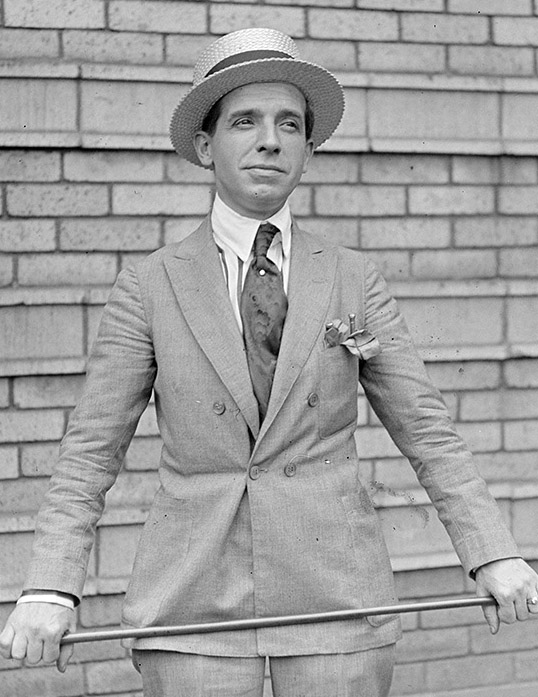
At a glance
The Boston Post, with help from financial publisher Clarence W. Barron, published investigations in July and August 1920 that compared the coupon market's real size with Ponzi's intake. State and federal authorities moved as redemptions and a run developed. Ponzi surrendered in August 1920.
Atlas Verification Checklist
0 / 4 verifiedCheck each criteria to confirm findings against the atlas verdict.
Charles Ponzi · tagline
Charles Ponzi's 1920 Boston collapse, built on promised profits from postal reply coupons, gave the English language its name for paying earlier investors with later ones.
Charles Ponzi · The Boston Post, with help from financial publisher Clarence W
The Boston Post, with help from financial publisher Clarence W. Barron, published investigations in July and August 1920 that compared the coupon market's real size with Ponzi's intake. State and federal authorities moved as redemptions and a run developed. Ponzi surrendered in August 1920.
Charles Ponzi · The dollar scale was of its time: contemporary estimates put lia
The dollar scale was of its time: contemporary estimates put liabilities on the order of $15-20 million in 1920 dollars, a fraction of later cases in this atlas, but the legal and linguistic imprint was larger. English-language law and journalism adopted 'Ponzi scheme' as the name for a fraud that pays earlier participants with money from later ones. Earlier operators had used the pattern; this collapse named it.
Charles Ponzi · paras 1
International Reply Coupons existed. Postal authorities sold them so a correspondent abroad could send a reply without buying local stamps. Small price differences between countries were a known curiosity among people who followed postal circulars. What the 1920 investigations showed is that the global stock and daily issuance of coupons were tiny beside the cash Ponzi was taking.
This is a reading check for the atlas, not personal advice, a live price, or a booking. It does not replace the full topic page.
What is the next question after this?
The dollar scale was of its time: contemporary estimates put liabilities on the order of $15-20 million in 1920 dollars, a fraction of later cases in this atlas, but the legal and linguistic imprint was larger. English-language law and journalism adopted 'Ponzi scheme' as the name for a fraud that pays earlier participants with money from later ones. Earlier operators had used the pattern; this collapse named it.
Does this page rank people or nations?
This is a reading check for the atlas, not personal advice, a live price, or a booking. It does not replace the full topic page.
Where is the longer entry?
International Reply Coupons existed. Postal authorities sold them so a correspondent abroad could send a reply without buying local stamps. Small price differences between countries were a known curiosity among people who followed postal circulars. What the 1920 investigations showed is that the global stock and daily issuance of coupons were tiny beside the cash Ponzi was taking.
Next question: Chernobyl disaster · Open the topic: Charles Ponzi